
Introduction
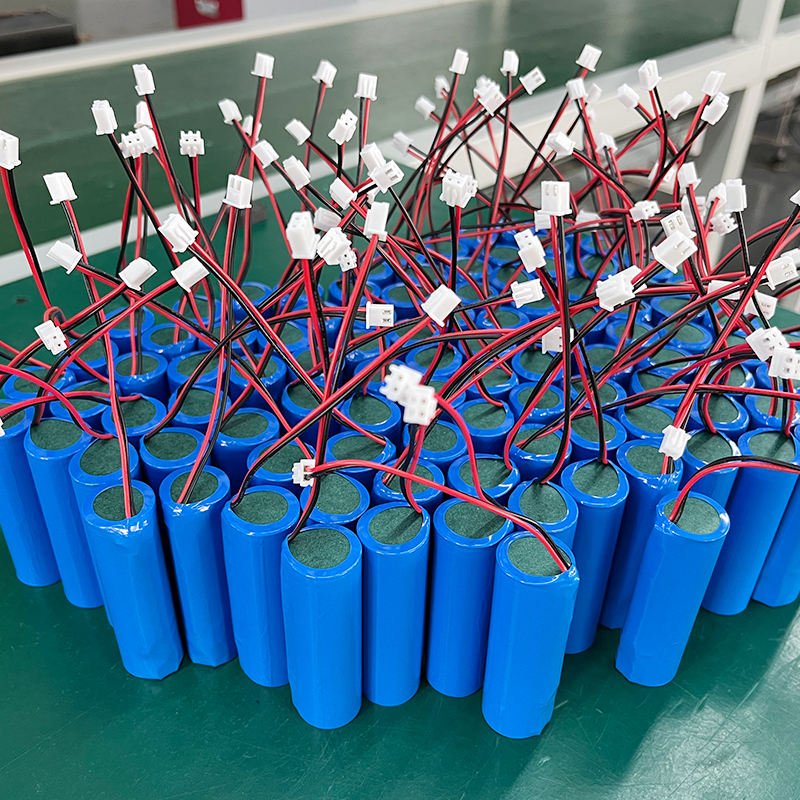
As cylindrical lithium cell demand rises for power tools, e-mobility, robotics and portable energy storage, wholesale 21700 lithium ion cells remain one of the most popular raw materials for battery pack OEMs. Larger than 18650 format, the 21700 cell delivers higher capacity and better energy density, helping pack designers reduce total cell count and simplify assembly. But buying wholesale 21700 lithium ion cells in bulk carries risks: inconsistent grading, fake capacity, missing safety certificates and long lead times can delay your production line. This guide walks through core specs, supplier checks and common pitfalls when sourcing wholesale 21700 lithium ion cells.
Why OEMs Choose Wholesale 21700 Lithium Ion Cells for Battery Projects
The 21700 cylindrical cell measures 21mm in diameter and 70mm in height. The extra physical volume compared to 18650 enables higher capacity, typically from 4000mAh up to 5000mAh for mainstream models.
- Higher energy density: Fewer cells are required to hit your target pack capacity, lowering assembly labor and BOM cost.
- Flexible discharge options: You can select low-rate cells for stationary storage or high-discharge variants for power tools and e-scooters.
- Proven cylindrical design: Built-in safety mechanisms like PTC and CID protect against overheating and overcurrent.
- Wide application fit: Robotics, portable power stations, electric bikes, vacuum cleaners and off-grid solar systems all use wholesale 21700 lithium ion cells.
Core Specifications to Verify When Buying Wholesale 21700 Lithium Ion Cells
Before confirming bulk orders, validate these parameters with your cell supplier:
- Nominal voltage: 3.6V / 3.7V
- Capacity range: 4000mAh, 4500mAh, 5000mAh
- Cycle life: 800–1500 cycles, depending on cell chemistry and grade
- Internal resistance: Low IR is critical for high-power applications; high IR causes heat buildup.
- Cell grading: Grade A cells are matched for capacity, voltage and internal resistance. Poorly matched cells lead to pack imbalance and shorter service life.
Important: Many suppliers advertise “5000mAh” but ship mixed B-grade stock. Always request sample testing and batch inspection reports for your wholesale 21700 lithium ion cells.
Key Applications for Bulk 21700 Lithium Ion Cells
OEM integrators use wholesale 21700 lithium ion cells across multiple industries:
- Power tools & garden equipment: High continuous discharge current handles heavy load spikes.
- Portable power stations: High capacity supports long runtimes for off-grid power.
- Electric mobility: E-bikes, e-scooters and small electric vehicles.
- Robotics & AGVs: Compact cylindrical format fits modular battery pack designs.
- Solar backup systems: Stable performance for low self-discharge energy storage.
Supplier Vetting Checklist for Wholesale 21700 Lithium Ion Cells
Choosing the right supplier is more than comparing unit price. Use this checklist for your bulk sourcing:
- Certification validation: Confirm UN38.3, MSDS, CE, UL documents for export. Non-compliant cells may be seized during customs clearance.
- Cell grading process: Ask if they sort cells by capacity, voltage and internal resistance before shipment. Matched cells are essential for reliable battery packs.
- MOQ and lead time: Confirm minimum order quantity, production lead time and backup stock arrangements.
- Sample availability: Test samples before committing to large container orders.
- Quality warranty: Clarify warranty terms for defective cells and replacement policy.
Common Mistakes When Sourcing Wholesale 21700 Lithium Ion Cells
- Chasing the lowest price: Ultra-low-cost cells often use recycled or mixed-grade materials, creating fire risks and product failures.
- Ignoring batch consistency: Unmatched cells degrade unevenly and reduce your finished battery pack lifespan.
- Skipping compliance checks: Exporting lithium cells without required test reports results in shipment delays and fines.
- Overlooking thermal performance: High-discharge applications need low IR cells; standard cells will overheat under heavy load.
21700 vs 18650 Lithium Cells: Which Fits Your OEM Project?
18650 cells are smaller, widely available and suitable for low-to-medium power products. Wholesale 21700 lithium ion cells deliver higher capacity and energy density, reducing the total number of cells inside your pack. If your product has limited space and needs longer runtime, 21700 is usually the better choice. The tradeoff is slightly higher per-cell cost and larger physical footprint.
FAQ
What does Grade A mean for wholesale 21700 lithium ion cells?
Grade A cells are fresh, unused cells that pass full performance testing and strict parameter matching. Grade B cells usually have slight capacity loss or inconsistent parameters, suitable only for low-demand, non-safety-critical projects.
Can I mix different brands of 21700 cells in one battery pack?
Not recommended. Different manufacturers use different internal materials and performance curves. Mixing brands causes imbalance and safety hazards.
Are wholesale 21700 lithium ion cells shipable by air?
Lithium cells are regulated dangerous goods. Air shipment requires UN38.3 test reports and proper packaging. Always confirm shipping rules with your freight forwarder.
UN Recommendations on the Transport of Dangerous Goods https://unece.org/transport/dangerous-goods
Conclusion
Wholesale 21700 lithium ion cells offer OEM battery pack makers a high-capacity, versatile cylindrical cell solution. Successful bulk sourcing balances cost, consistency, safety certification and supplier reliability. Always test samples, audit batch reports and verify compliance documents before placing large orders. Select matched Grade A cells to ensure your finished battery packs deliver stable performance and long service life.
International Electrotechnical Commission (IEC) https://www.iec.ch/ (battery safety standards)