
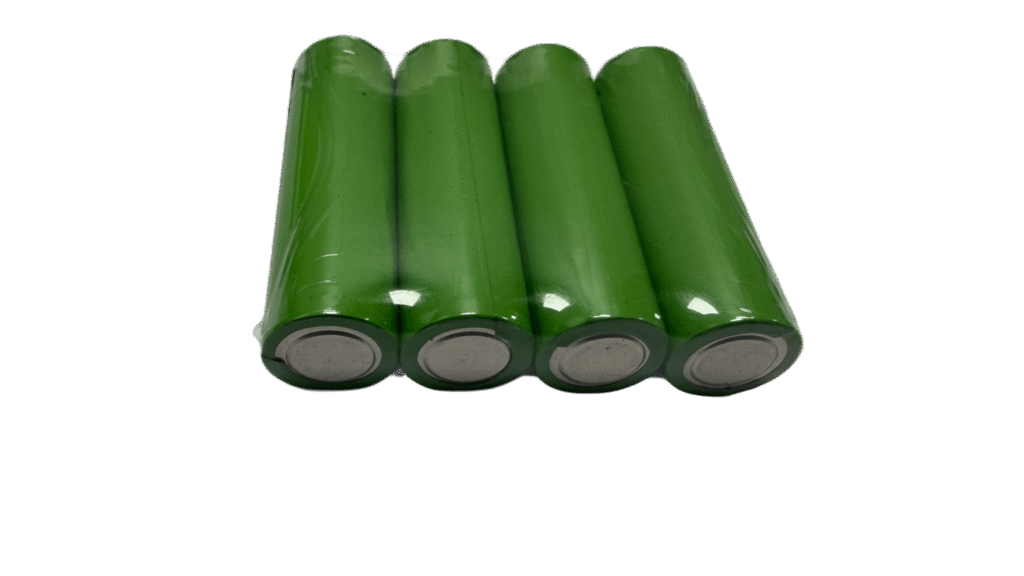
Ni-MH Rechargeable Batteries: A Smart and Eco-Friendly Power Solution
Ni-MH Rechargeable Batteries have become a reliable energy choice for modern households and portable electronics. From TV remotes and wireless keyboards to toys and digital cameras, rechargeable battery technology helps reduce waste while delivering stable daily performance. Compared with disposable batteries, Ni-MH batteries offer a more cost-effective and environmentally friendly solution for long-term use.
As more users focus on sustainability and energy efficiency, rechargeable battery systems continue to gain popularity across both home and commercial applications.
Why Ni-MH Rechargeable Batteries Remain Popular
One major advantage of Ni-MH Rechargeable Batteries is their long service life. A single rechargeable battery can replace hundreds of disposable batteries, helping reduce replacement frequency and overall operating costs.
Modern low self-discharge technology also improves storage performance. Even when devices are not used regularly, these batteries can maintain power for extended periods, making them suitable for emergency equipment and seasonal electronics.
In addition, Ni-MH batteries are mercury-free, making them safer for daily use and more environmentally responsible than many traditional disposable battery options.
Stable Performance for Everyday Devices
Another reason users choose Ni-MH Rechargeable Batteries is their ability to provide stable voltage output across a wide range of devices. Whether used in low-drain products like remote controls or high-drain electronics such as cameras and gaming accessories, they deliver reliable power performance.
Common applications include:
- TV remotes and smart home accessories
- Wireless keyboards and computer mice
- Flashlights and portable audio devices
- Children’s electronic toys
- Digital cameras and gaming controllers
Their versatility makes them one of the most practical rechargeable battery solutions available today.
Low Self-Discharge Technology Matters
Traditional rechargeable batteries often lose power quickly during storage. However, modern low self-discharge batteries are designed to retain energy for much longer periods when not in use.
This feature is especially useful for backup devices, travel electronics, or products that are only used occasionally. Users benefit from better convenience while reducing unnecessary charging cycles.
Environmental and Cost Advantages
Switching to Ni-MH Rechargeable Batteries can significantly reduce battery waste. Since fewer disposable batteries are discarded, environmental impact is lowered over time.
From a cost perspective, rechargeable systems also help reduce long-term expenses. Although the initial purchase price may be slightly higher, repeated charging cycles make them far more economical in the long run.
For distributors and retailers, rechargeable battery products also continue to align with growing market demand for sustainable and reusable energy solutions.
Future Trends in Rechargeable Battery Applications
As portable electronics and smart home devices continue to expand, the market for rechargeable batteries is expected to remain strong. Improvements in charging efficiency, cycle life, and energy retention are helping Ni-MH technology stay competitive in many consumer applications.
Manufacturers are also focusing on safer materials, stable supply capability, and improved packaging solutions to support global market demand.
FAQ About Ni-MH Rechargeable Batteries
Q1: What are Ni-MH Rechargeable Batteries mainly used for?
They are commonly used in household electronics, toys, wireless accessories, flashlights, and portable devices.
Q2: Are Ni-MH batteries environmentally friendly?
Yes, they are mercury-free and help reduce disposable battery waste through repeated charging cycles.
Q3: What does low self-discharge mean?
It means the battery can retain power longer during storage when not actively being used.
Q4: Can Ni-MH batteries be customized for packaging or capacity?
Yes, many manufacturers offer OEM packaging, multiple capacities, and various battery sizes such as AA and AAA.
Q5: How long can Ni-MH Rechargeable Batteries last?
Depending on usage conditions, they can typically support hundreds to over one thousand recharge cycles.