
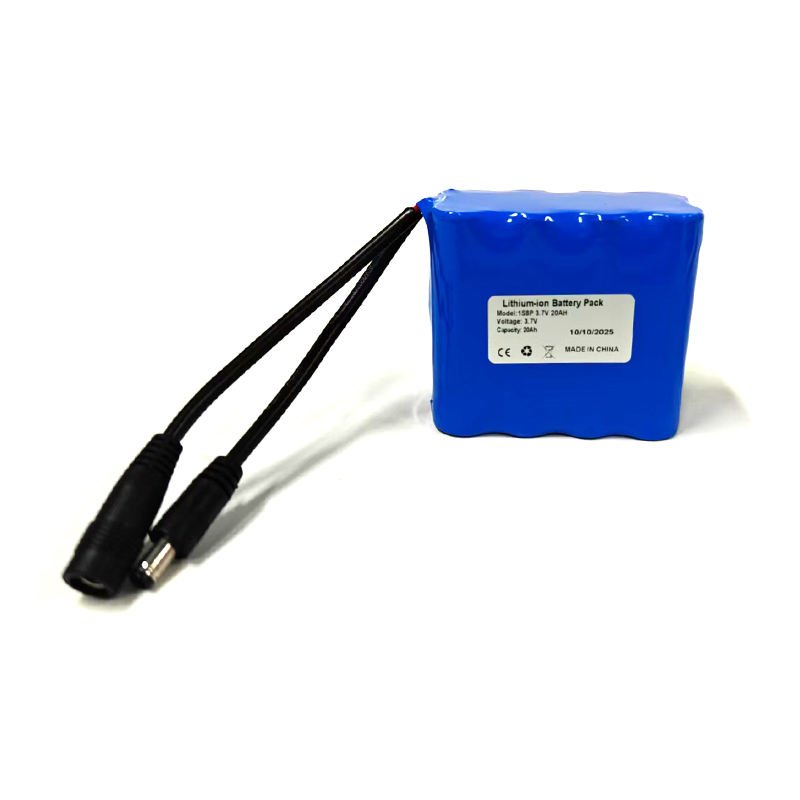
Medical device lithium battery pack development differs greatly from standard consumer lithium packs. These power assemblies must deliver stable, predictable power under variable clinical environments, while meeting strict regulatory documentation and traceability requirements. For medical OEMs, selecting the right medical device lithium battery pack partner early in product development avoids costly redesign and market approval delays.
Unique Engineering Requirements for Medical Device Lithium Battery Pack
Consumer lithium battery packs prioritize cost and runtime. Medical device lithium battery pack designs focus first on safety, stable voltage output and low failure rates. Even minor power fluctuation can disrupt patient monitoring or life-support equipment.
BMS Design for Medical-Grade Operation
The battery management system is the core safeguard for every medical device lithium battery pack. Medical BMS needs multi-layer protection against overcharge, over-discharge, short circuit and overheating. Many clinical applications require cell voltage balancing, real-time temperature monitoring and fault logging. Recorded battery data can support post-market surveillance and technical file documentation for regulators.
Mechanical Design & Enclosure Constraints
Medical hardware often has tight internal space limits. A custom medical device lithium battery pack can be built to fit irregular housing shapes, specific connector pinouts and fixed mounting positions. Engineers must reserve allowance for minor cell swelling over cycle life; ignoring this detail causes internal compression and premature pack failure in the field.
Global Compliance & Certification Checklist for Medical Device Lithium Battery Pack
Certification is non-negotiable when manufacturing medical device lithium battery pack for global markets. Generic cell certificates are not enough; the full assembled pack needs validated test reports matching your exact configuration.
- ISO 13485: Supplier quality system certification for medical manufacturing
- IEC 62133: Safety standard for rechargeable lithium cells and battery packs
- UN38.3 + SDS: Transport safety documents for air and sea shipment
- UL 2054 / UL1642: US market safety testing for packs and cells
- RoHS & REACH: Restriction of hazardous substances for EU sales
- IEC 60601: Medical electrical equipment safety for end device integration
OEM buyers should verify batch traceability: every cell inside the medical device lithium battery pack must be tracked from raw cell incoming inspection to finished pack shipment.
Common Applications for Custom Medical Device Lithium Battery Pack
Custom medical device lithium battery pack serves multiple categories of clinical and home-care hardware. Each use case sets different discharge profile and standby power requirements.
- Infusion pumps: Continuous low-drain stable power during medication delivery
- Portable patient monitors: Mixed peak load and long standby operation
- Portable oxygen equipment: High pulse discharge with weight restrictions
- Medical wearables: Ultra-thin low self-discharge packs for continuous vital sign tracking
- Emergency portable diagnostic tools: Backup power for field and pre-hospital use
Key Pitfalls OEMs Face When Sourcing Medical Device Lithium Battery Pack
Many medical OEMs underestimate the risks of using off-the-shelf lithium packs for clinical equipment. Standard packs lack medical-grade BMS, complete traceability and full test documentation.
Common mistakes include:
- Starting certification testing late, leading to product launch delays
- Using generic cell reports instead of full pack-level UN38.3 and IEC62133 test documents
- Poor cell balancing, causing uneven degradation and shortened service life
- Missing temperature sensing points for high-risk portable clinical equipment
Working with a battery engineering team at the prototype phase helps resolve these issues before mass production.
Prototype to Mass Production Workflow for Medical Device Lithium Battery Pack
The development cycle for a medical device lithium battery pack follows a structured validation path.
- Define electrical specs, dimension limits and load profile with OEM engineering
- Cell selection and initial pack schematic design, including BMS specification
- Prototype build, performance testing, thermal cycling and vibration tests
- Formal certification testing and document preparation
- Pilot production run with full batch traceability and quality audits
- Full mass production, ongoing IQC and periodic reliability re-testing
Conclusion
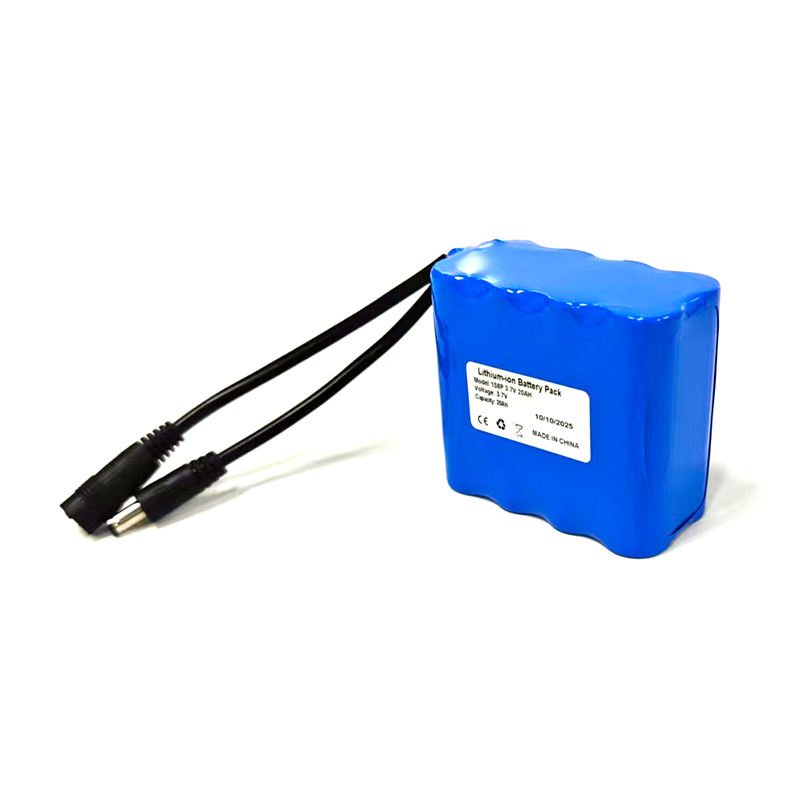
A reliable medical device lithium battery pack is not just a power component. It is a regulated subassembly that directly impacts device safety, clinical performance and regulatory approval. OEM medical developers should prioritize suppliers with medical battery engineering experience, ISO13485 controlled manufacturing and full documentation capability. Early collaboration between your hardware team and battery engineers will reduce risk, shorten validation timelines and create stable power solutions for clinical and home healthcare devices.
FAQ
Q: Can I use standard consumer lithium packs for medical equipment?
A: Generally not recommended. Consumer packs lack medical traceability, redundant BMS protection and complete regulatory documentation required for medical device registration.
Q: What is the difference between medical lithium battery pack and regular lithium pack?
A: Medical device lithium battery pack requires full batch traceability, fault data logging, redundant safety protection and complete certification packages for device technical files.