
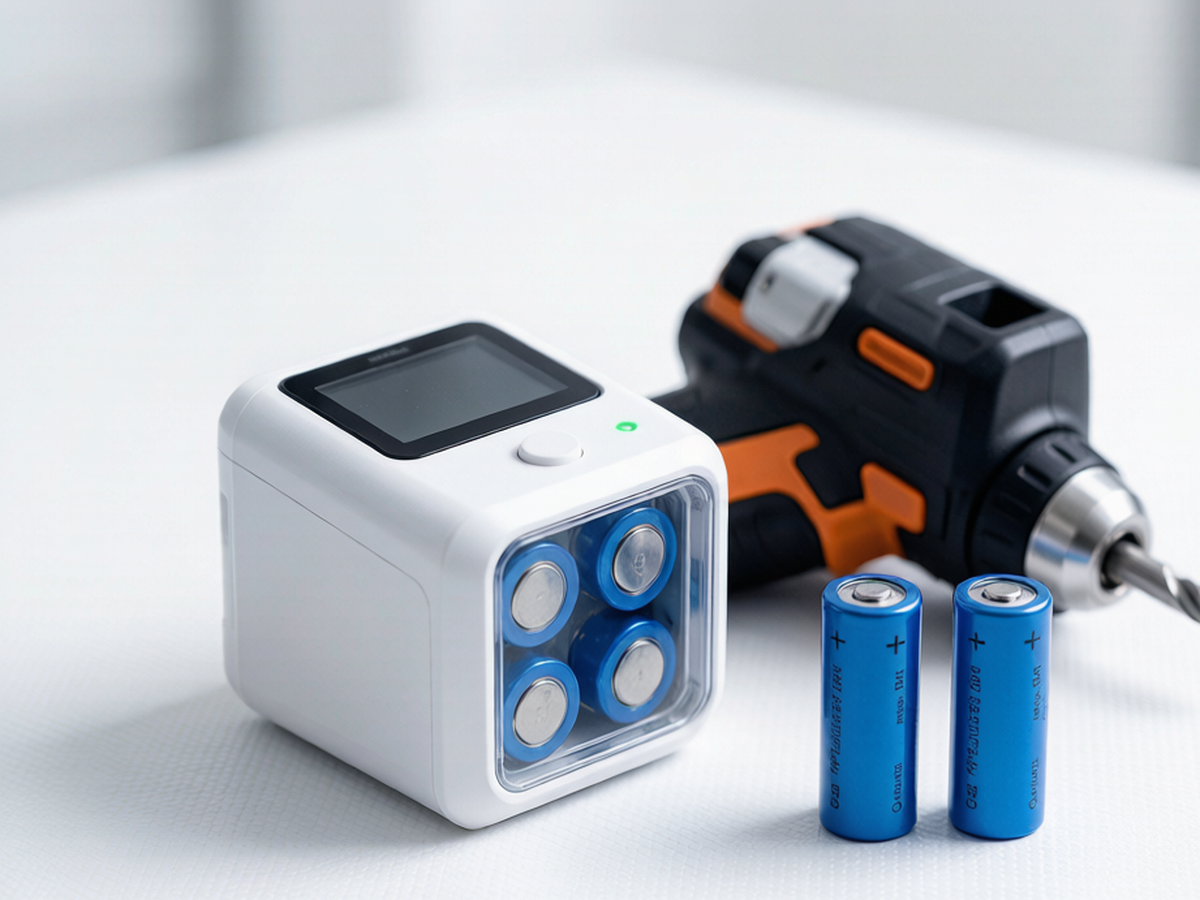
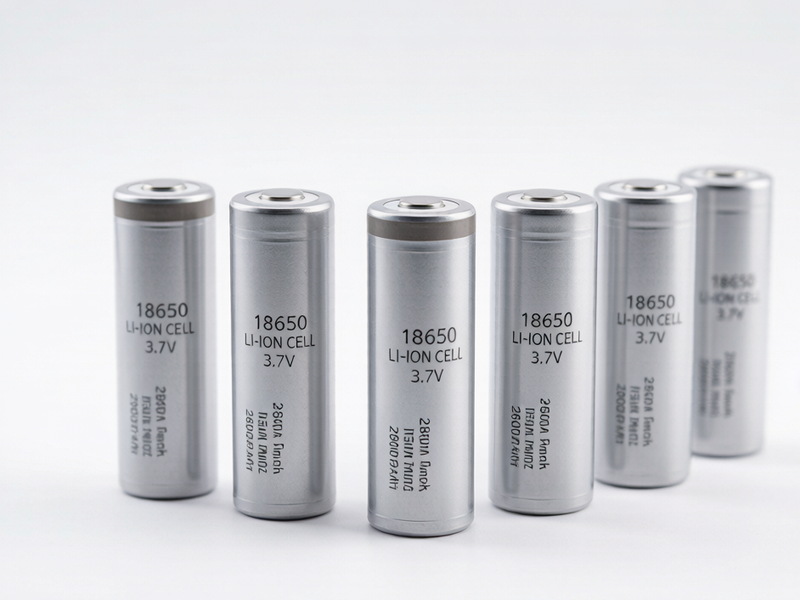
The 18650 battery is the workhorse of modern portable power. Named after its physical dimensions — 18 mm diameter and approximately 65 mm length — this cylindrical lithium-ion cell powers everything from flashlights and power tools to medical devices, robotics, and specialized industrial equipment.
For procurement teams, distributors, and OEM engineers choosing an 18650 battery supplier, understanding the core parameters is not optional: it directly determines runtime reliability, safety compliance, and total cost of ownership. This guide covers what buyers need to know before placing an order.
What Is an 18650 Battery?
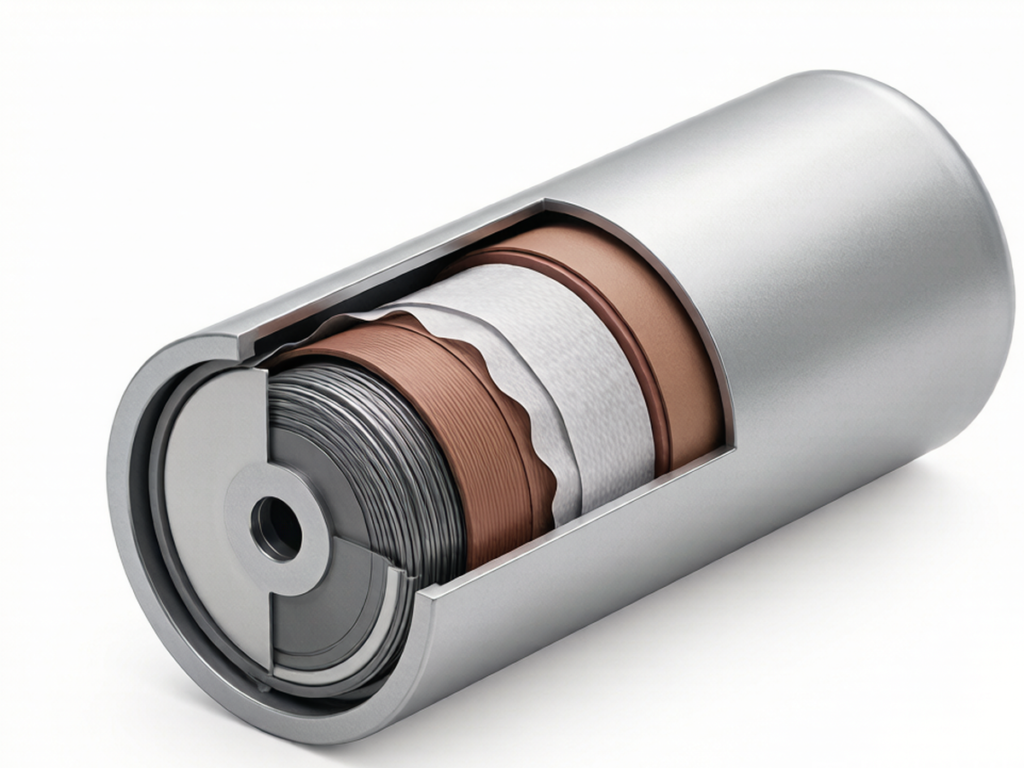
An 18650 battery is a standard-format cylindrical rechargeable lithium-ion cell operating at a nominal voltage of 3.6 V to 3.7 V per cell. It uses a spiral-wound internal structure where layered anode, cathode, separator, and electrolyte are tightly wound around a central mandrel, maximizing surface area within the compact form factor.
Key baseline specifications:
| Parameter | Typical Range |
| Diameter | 18 mm (+0 / –0.7 mm) |
| Height | 65.2 mm (± 0.5 mm) |
| Nominal Voltage | 3.6–3.7 V |
| Capacity | 1,800–3,500 mAh |
| Discharge Rate (C-rate) | Standard (0.5–1 C) to High-drain (10 C+) |
| Cycle Life | 300–1,000+ cycles (depends on chemistry & usage) |
Industry note: According to Battery University, the 18650 format remains one of the most widely produced and tested cylindrical cell formats globally, with decades of manufacturing maturity behind it.
Why Choose an 18650 Battery?
The enduring popularity of the 18650 battery comes down to four practical advantages:
1. Proven Energy Density At up to roughly 250 Wh/kg (depending on chemistry grade), 18650 cells deliver strong energy-per-weight performance in a size that fits into handheld and portable designs without excessive bulk.
2. Scalability via Pack Design Because each individual cell carries its own voltage and capacity, designers can configure series-parallel arrays (e.g., 4S2P, 10S4P) to hit almost any system voltage and ampere-hour target. This modularity makes the 18650 battery ideal for custom battery packs and OEM projects.
3. High-Drain Options Available For applications requiring sudden current spikes — cordless drills, e-bike motors, or robotics — high-discharge 18650 variants support continuous discharge currents of 20 A to 30 A+ while maintaining stable voltage curves under load.
4. Mature Supply Chain Decades of global production have driven cost efficiency, quality consistency, and certification infrastructure (UN38.3 transport, IEC 62133 safety testing). Buyers benefit from shorter lead times and more predictable pricing compared to emerging cell formats.
Key Factors Before Buying an 18650 Battery
Not all 18650 cells are created equal. When evaluating suppliers and SKUs, prioritize these five criteria:
1. Capacity vs. Discharge Rate Trade-off
High-capacity cells (e.g., 3,000–3,500 mAh) often sacrifice maximum continuous discharge current compared to high-drain cells (which may offer 1,800–2,600 mAh but sustain 15 A–30 A). Match your device’s peak current draw first; only then optimize for mAh.
2. Chemistry Grade
- NCA/NMC: Higher energy density, common in consumer electronics and EVs.
- LiFePO4 (LFP): Longer cycle life (2,000+ cycles typical), safer thermal profile, slightly lower nominal voltage (3.2 V). See our LiFePO4 vs Li-ion comparison for deeper analysis.
- IMR / INR / ICR: Designations indicating cathode chemistry and discharge characteristics. Know which fits your application.
3. Certification Compliance
For commercial products, verify:
- UN38.3 (transportation of lithium batteries by air/sea)
- IEC 62133-2 (secondary cell and battery safety)
- MSDS / SDS (material safety data sheet)
- CE / RoHS (EU market entry)
A reputable supplier will provide these documents proactively.
4. Cycle Life at Your Operating Conditions
Datasheet cycle life numbers are typically measured at room temperature (25 °C), shallow depth-of-discharge, and low C-rate. If your device runs hot, discharges deeply, or draws high current, actual cycle life can be significantly lower. Request real-world test data if possible.
5. BMS Integration
If you are ordering a custom battery pack rather than bare cells, confirm that the included BMS (Battery Management System) matches your pack configuration (cell count, max charge/discharge rate, communication protocol if needed).
Applications & Industries Using 18650 Batteries
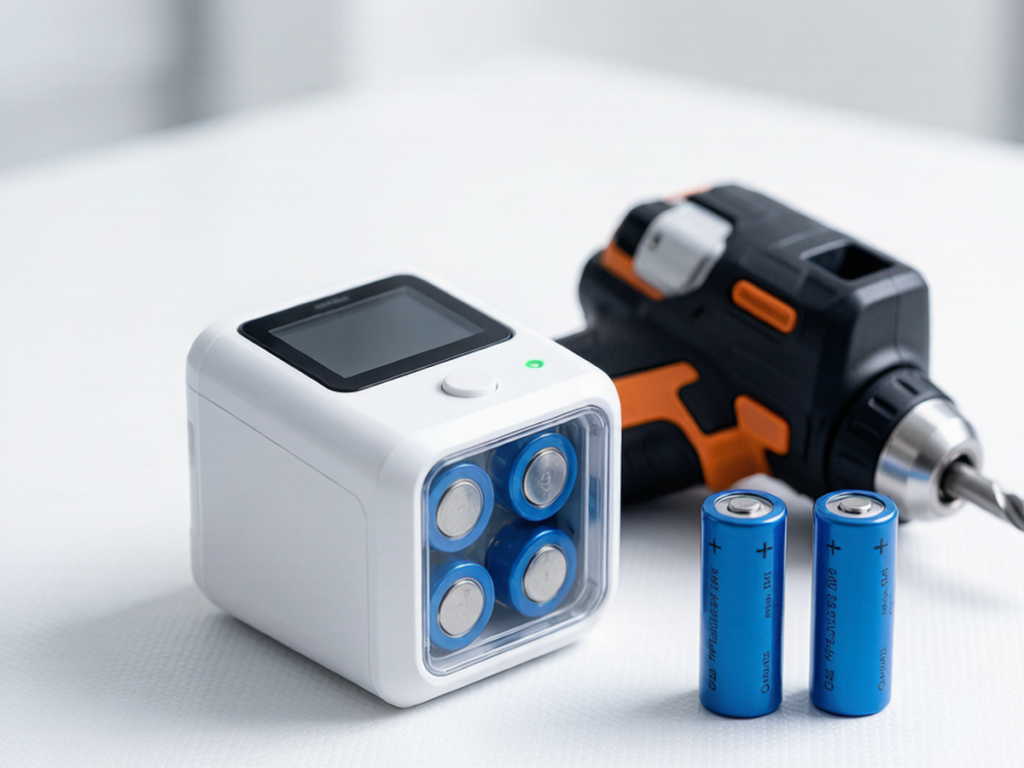
The 18650 battery serves across a wide spectrum of industries:
| Industry | Typical Use Case | Key Requirement |
| Consumer Electronics | Flashlights, headlamps, portable fans | Compact size, moderate capacity |
| Power Tools | Cordless drills, impact drivers | High discharge rate, ruggedness |
| Medical Devices | Portable monitors, infusion pumps, diagnostic tools | Safety certs, consistent voltage, long shelf life |
| Robotics / UAVs | Drones, AGVs, inspection robots | High energy density + burst capability |
| Specialized Equipment | Military handhelds, security sensors, IoT gateways | Wide-temp operation, shock resistance |
| Energy Storage | Solar backup systems, UPS modules | Cycle life, BMS integration |
HRLI Battery supplies OEM/ODM 18650 solutions tailored to these sectors, including low-temperature, wide-temperature, explosion-proof, and intelligent (smart-BMS) configurations for demanding environments.
Safety, Certifications & Sourcing Best Practices
Lithium-ion cells carry inherent thermal risks if mishandled. Responsible sourcing means verifying both product-level documentation and factory-level quality systems.
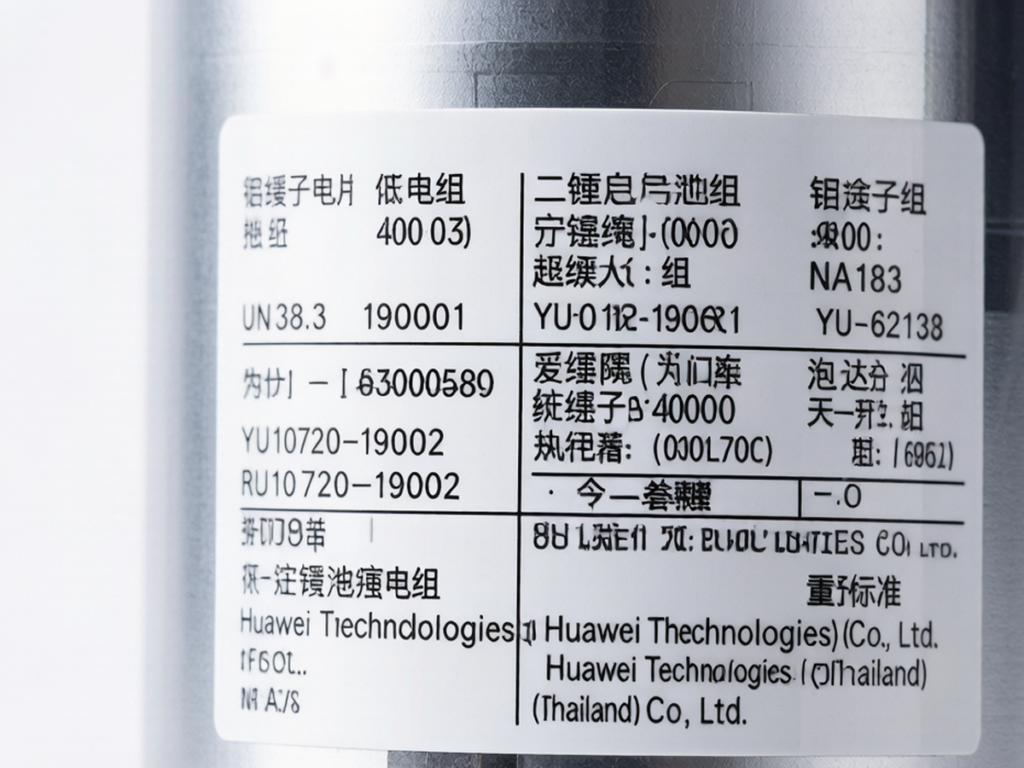
Safety checklist for buyers:
- Confirm UN38.3 test summary and MSDS availability from your vendor
- Verify IEC 62133-2 or equivalent regional safety test reports
- Check for overcharge, overdischarge, short-circuit, and thermal protection in the BMS (if purchasing packs)
- Ensure packaging meets UNECE transport regulations for international shipping
- Request samples and conduct in-house validation matching your end-use conditions
Sourcing tip: Prioritize manufacturers with traceable batch records, ISO 9001 quality management, and transparent warranty terms. Price alone should never be the sole selection criterion when battery failure can lead to field recalls or safety incidents.
FAQ About 18650 Batteries
Q: Can I replace an 18650 with a 21700 battery?
A: Physically no — they are different sizes (21700 is 21 × 70 mm). However, some new designs choose 21700 for higher single-cell capacity. Read our 18650 vs 21700 comparison to decide which format fits your design.
Q: What is the typical lifespan of an 18650 battery?
A: Most quality 18650 cells deliver 300 to 1,000 full charge/discharge cycles before dropping to 80% of original capacity, depending on chemistry, temperature, and usage pattern.
Q: Are 18650 batteries safe for air shipment?
A: Only when properly certified (UN38.3), correctly packaged per IATA regulations, and declared as dangerous goods. Work with a supplier who provides compliant documentation.
Q: How do I select between high-capacity and high-drain 18650?
A: Determine your device’s peak current draw (in amps). If it exceeds 5–10 A continuous, lean toward high-drain cells. If runtime is the priority and draw stays below 3 A, high-capacity is usually the better choice.
Q: Can HRLI Battery customize 18650 packs for my specific voltage and capacity requirements?
A: Yes. HRLI offers full OEM/ODM services for 18650-based battery packs, including custom cell selection, BMS integration, enclosure design, and complete certification packages. Contact us with your spec sheet.
Conclusion
Choosing the right 18650 battery comes down to matching three things to your application: capacity, discharge capability, and certification coverage. Whether you need standard cells for consumer electronics, high-drain variants for power tools, or fully customized packs for medical or special-equipment use cases, working with an experienced manufacturer who understands both cell technology and regulatory compliance saves time and reduces risk.
Soft CTA: Contact HRLI Battery on WhatsApp at +86-15112443431 (wa.me/8615112443431) for a tailored quotation, MOQ details, and full certification pack (UN38.3 / IEC 62133 / MSDS / CE / RoHS). Visit hrlibattery.com to explore our OEM/ODM lithium battery solutions.
Internal link suggestions: See also: Battery Pack Customization Guide → See also: BMS Selection for Lithium Packs → See also: 18650 vs 21700 Comparison → See also: Primary vs Rechargeable Battery →