
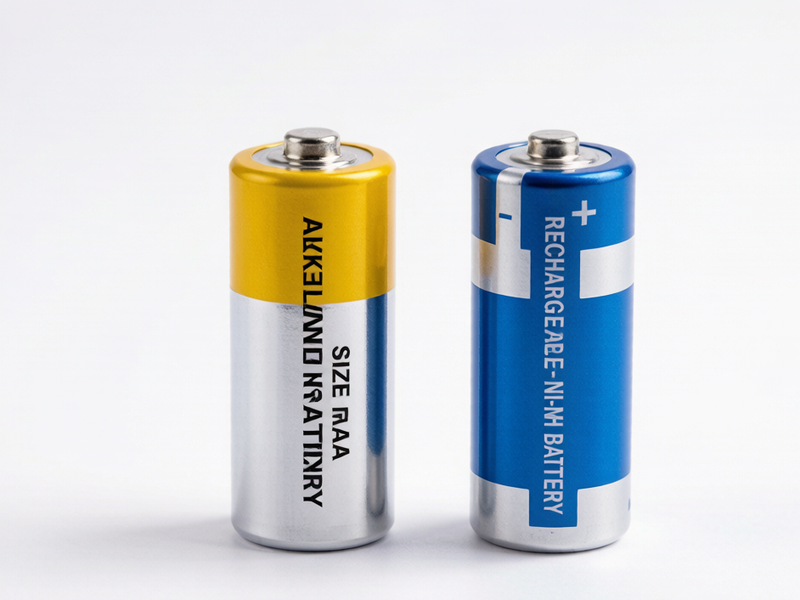

Primary Battery vs Rechargeable Battery: Core Differences & Industrial Buying Guide
Introduction
Primary battery vs rechargeable battery is one of the most critical comparison topics for industrial battery buyers, OEM manufacturers, and battery distributors. For all commercial and industrial battery procurement projects, distinguishing primary battery vs rechargeable battery accurately is the premise of safe equipment operation and cost control. Many purchasers and end users lack professional battery knowledge and mistakenly charge disposable primary batteries, triggering battery swelling, liquid leakage, overheating and even fire accidents. The essential difference between primary battery vs rechargeable battery stems from their internal electrochemical reaction mechanism and electrode structural design, which directly determines the battery’s reusability, cycle life and application scenarios. Selecting a matched battery type according to actual usage needs can effectively reduce enterprise procurement costs, eliminate potential safety hazards, and improve the long-term stability of industrial equipment.

What Is Primary Battery vs Rechargeable Battery (Core Definition)
Primary batteries, also known as disposable single-use batteries, feature entirely irreversible internal electrochemical reactions. Once the internal active chemical materials finish the discharge process, they cannot be restored through conventional charging methods. Manufacturers adopt a simple internal electrode and shell structure for primary batteries, which is only suitable for one-time power output. The simplified structure greatly reduces production costs, making this battery type ideal for low-frequency, short-term power supply scenarios that do not require repeated use.
Rechargeable batteries, also called secondary batteries or storage batteries, are the upgraded alternative in primary battery vs rechargeable battery comparisons for long-term use. They utilize mature reversible electrochemical formulas and reinforced electrode structures. The electrode volume expansion and chemical conversion during charging and discharging are completely reversible. Standard industrial rechargeable batteries support about 1000 stable charge-discharge cycles, perfectly adapting to repeated cyclic power supply needs of industrial equipment and OEM products.
Primary Battery vs Rechargeable Battery: Key Advantages & Structural Differences
The core gap in primary battery vs rechargeable battery lies in reaction reversibility and structural durability. Primary batteries have no anti-fatigue structural design and cannot withstand the repeated expansion and contraction of electrodes caused by charging and discharging cycles. Forced charging will destroy the internal sealing structure of primary batteries, bringing zero practical value.
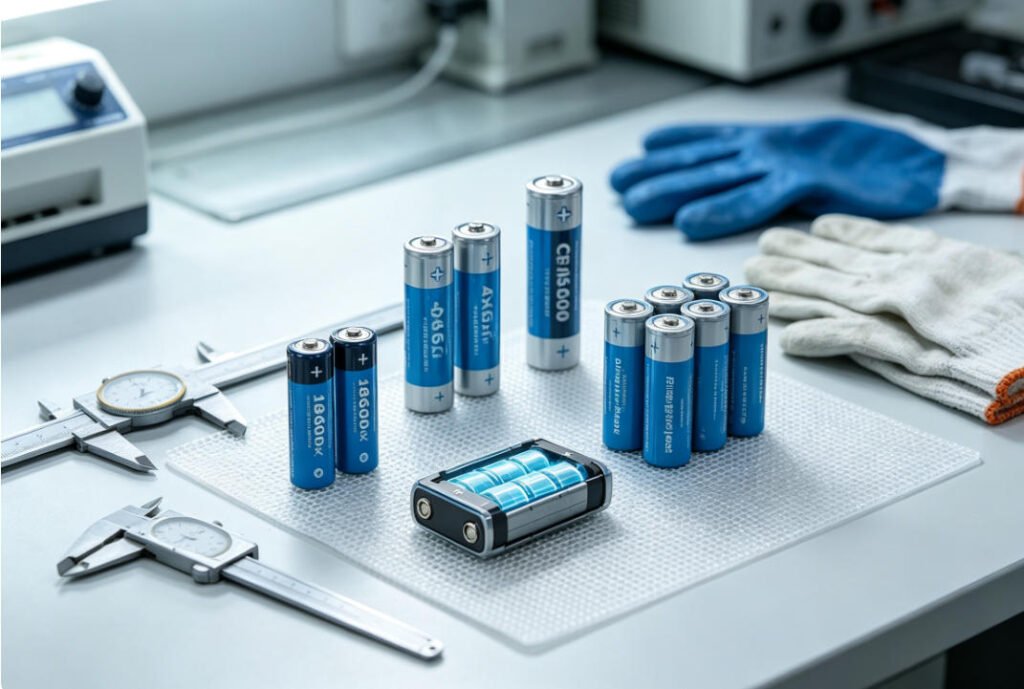
In contrast, rechargeable batteries are professionally optimized for cyclic working conditions, equipped with stable electrode separators and pressure-resistant shells. Matched with Battery University certified BMS protection circuits, rechargeable batteries can operate safely and stably for a long time. This fundamental advantage makes rechargeable batteries more cost-effective than primary batteries in long-term industrial projects.
Key Buying Factors for Primary Battery vs Rechargeable Battery Selection
When choosing between primary battery vs rechargeable battery, users need to judge according to equipment usage frequency and application scenarios. Low-frequency standby devices such as remote sensors and emergency testing instruments are more suitable for cost-effective primary batteries. For long-term continuous operating equipment, drone devices and OEM mass production products, rechargeable batteries are the optimal choice to reduce later replacement and maintenance costs. All industrial batteries must comply with IEC international safety standards and UN38.3 transportation regulations to ensure product qualification and transportation safety. You can check our previous article Battery Safety Certification Standards for Bulk OEM Purchasers for detailed compliance requirements.
FAQ About Primary Battery vs Rechargeable Battery
Q: Can primary batteries be charged slightly for temporary use?
A: No. Primary battery chemical reactions are completely irreversible. Any charging operation will cause permanent structural damage and major safety risks.
Q: What is the service life of industrial rechargeable batteries in primary battery vs rechargeable battery comparisons?
A: Qualified industrial rechargeable batteries can reach about 1000 standard charge-discharge cycles under normal working conditions, far exceeding the one-time service life of primary batteries.
Conclusion
To sum up, a clear understanding of primary battery vs rechargeable battery helps industrial buyers and OEM manufacturers complete accurate battery selection. Disposable primary batteries are suitable for single-use, low-frequency power supply scenarios with low short-term costs, while rechargeable secondary batteries have outstanding advantages in safety, cycle life and long-term comprehensive cost performance, and are widely used in various industrial and commercial equipment. We provide fully certified primary batteries and customized rechargeable battery packs that comply with global safety standards. Contact our professional technical team for accurate battery selection advice and bulk wholesale quotes for your industrial projects.