
In modern technology applications, High Precision Electronics Batteries are essential for ensuring stable and reliable energy delivery. From medical monitoring systems to industrial automation and tactical optical devices, these batteries provide the foundation for consistent performance in environments where failure is not acceptable.
Unlike general-purpose power sources, High Precision Electronics Batteries are designed to support sensitive electronic systems that require precise voltage control, stable discharge behavior, and long operational reliability.
Growing Demand for High Precision Electronics Batteries in Industrial Applications
The demand for High Precision Electronics Batteries continues to increase as industries move toward automation, electrification, and smart control systems.
In industrial environments, lithium-based solutions such as cylindrical cells and battery packs are widely used because they offer:
- Stable energy output under continuous load
- Long cycle performance
- High energy density in compact formats
- Reliable operation in harsh environments
These characteristics make Industrial Lithium Batteries a preferred choice for robotics, automation equipment, and portable industrial tools.
At the same time, different configurations of High Precision Electronics Batteries are used depending on voltage, capacity, and device architecture requirements.
Medical Device Batteries Require Maximum Stability and Safety
In healthcare applications, Medical Device Batteries play a critical role in ensuring uninterrupted device operation.
Equipment such as patient monitors, portable diagnostic systems, and emergency medical tools rely on stable battery performance.
Key requirements for High Precision Electronics Batteries in medical environments include:
- Stable discharge curves over long operating periods
- Strict safety performance standards
- Reliable performance under continuous use
- High consistency between battery batches
Lithium Polymer (LiPo) and Lithium Iron Phosphate (LiFePO4) technologies are commonly used because they provide predictable energy output and strong safety characteristics.
For medical manufacturers, selecting the right High Precision Electronics Batteries directly impacts product reliability and patient safety.
Tactical and Optical Systems Depend on Stable Energy Output
Tactical equipment and professional optical systems require batteries that can deliver instant power without performance degradation.
In these applications, High Precision Electronics Batteries must support:
- High pulse discharge capability
- Stable voltage during peak load
- Reliable performance in extreme temperatures
- Long shelf life for standby readiness
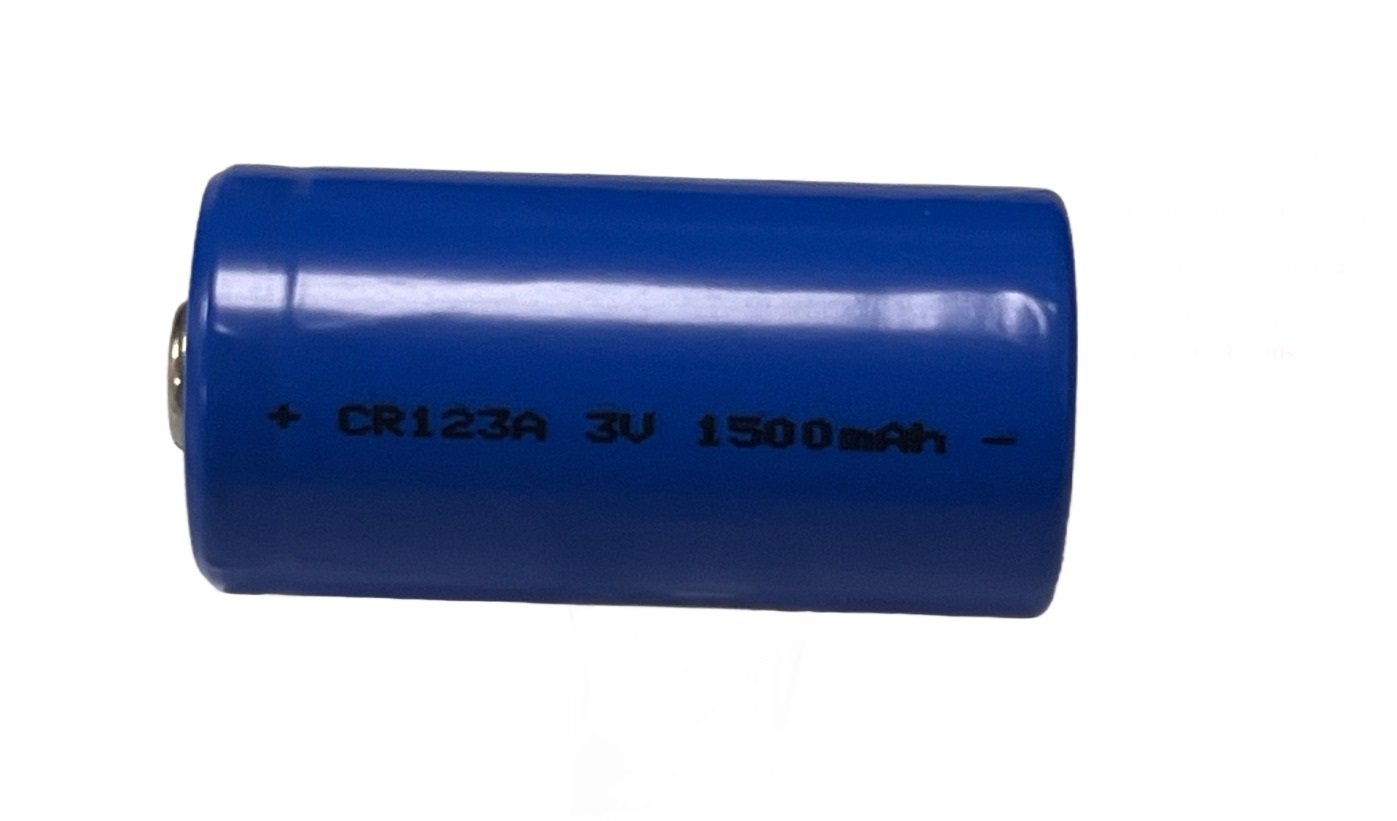
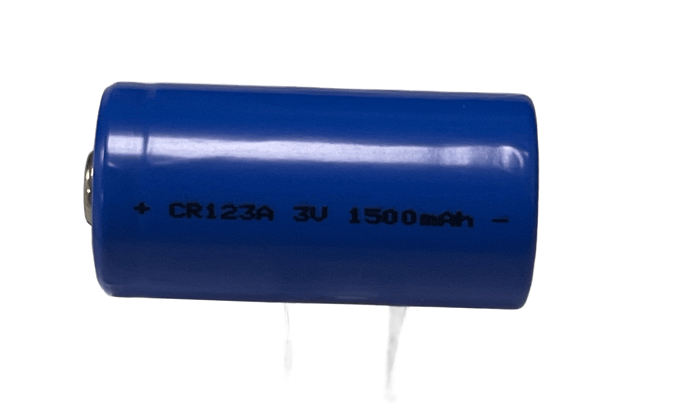
Battery formats such as CR123A and 16340 are widely used in tactical flashlights, laser devices, and night vision systems because they meet these strict performance requirements.
Without stable High Precision Electronics Batteries, performance inconsistency can directly impact operational reliability.
Safety Compliance Is a Core Requirement for Battery Systems
For global deployment, High Precision Electronics Batteries must comply with strict international safety regulations.
Common certifications include:
- UN38.3 transportation safety standard
- IEC 62133 battery safety standard
- CE compliance requirements
These standards ensure that batteries can be safely transported, integrated, and used across different regions and applications.
Compliance is especially important for industrial lithium batteries and medical-grade systems, where safety and reliability are critical.
Full Range of Lithium Battery Solutions for Precision Applications
Modern systems often require different types of High Precision Electronics Batteries depending on application needs.
A complete product portfolio typically includes:
- Cylindrical lithium cells (18650, 21700, 26650)
- Lithium polymer battery packs (LiPo)
- Primary lithium batteries (CR123A, CR2032)
- Lithium iron phosphate (LiFePO4) systems
- Custom battery pack solutions
These batteries are widely used in:
- Medical electronics
- Industrial automation systems
- Security and surveillance equipment
- Tactical and optical devices
- Portable energy systems
Each application requires a different configuration of High Precision Electronics Batteries to achieve optimal performance.
Conclusion: The Future of High Precision Electronics Batteries
As electronic systems continue to evolve, the importance of High Precision Electronics Batteries will continue to grow.
Industries are demanding higher reliability, longer service life, and safer energy systems. This drives continuous improvement in lithium battery technology and system integration.
Whether in medical devices, industrial systems, or tactical equipment, High Precision Electronics Batteries remain a critical foundation for modern electronic performance.
FAQ About High Precision Electronics Batteries
What are High Precision Electronics Batteries used for?
They are used in medical devices, industrial systems, and tactical electronics that require stable and reliable power output.
Why are lithium batteries used in precision electronics?
Because they provide stable voltage, high energy density, and long operational life compared to traditional battery technologies.
Are medical devices dependent on High Precision Electronics Batteries?
Yes, many medical devices rely on stable battery systems to ensure uninterrupted operation and patient safety.
What makes a battery suitable for industrial use?
High reliability, strong discharge performance, and long cycle life are key requirements for industrial applications.
Can High Precision Electronics Batteries be customized?
Yes, voltage, capacity, and structure can be customized according to application requirements.
External References
Battery University – https://batteryuniversity.com
IEC Battery Standards – https://www.iec.ch
UN Transport Regulations – https://unece.org