
Polymer lithium-ion batteries have rapidly become the preferred power solution for modern electronic devices. Unlike traditional liquid electrolyte lithium-ion batteries, Li-polymer batteries use a gel-like solid electrolyte that unlocks a range of design and performance advantages critical for today’s compact, safety-sensitive applications.
Whether you’re developing wearable devices, medical equipment, or ultra-slim consumer electronics, understanding the unique benefits of polymer lithium-ion batteries is essential for making the right battery choice.
What Is a Polymer Lithium-Ion Battery?
A polymer lithium-ion battery (also known as a Li-polymer or polymer lithium battery) is a rechargeable battery that replaces the liquid electrolyte found in conventional lithium-ion cells with a solid polymer electrolyte. This fundamental difference in chemistry enables several breakthrough capabilities that liquid-based batteries simply cannot achieve.
7 Key Advantages of Polymer Lithium-Ion Batteries
1. Zero Leakage Risk
Traditional lithium-ion batteries contain liquid electrolyte, which poses a leakage risk over time—especially under mechanical stress or temperature extremes. Polymer lithium-ion batteries use a gel-like solid electrolyte that completely eliminates leakage concerns. This makes them ideal for sealed devices and applications where long-term reliability is critical, such as medical implants and industrial sensors.
2. Ultra-Thin Form Factor
One of the most compelling advantages of Li-polymer batteries is their ability to achieve extremely thin profiles. A polymer lithium-ion battery with 3.6V and 400mAh capacity can be manufactured as thin as 0.5mm—a thickness impossible for liquid electrolyte batteries. This ultra-thin capability is why polymer batteries dominate in smartphones, smart cards, and wearable technology.
3. Customizable Shapes and Sizes
Unlike cylindrical or prismatic liquid electrolyte cells that come in standardized shapes, polymer lithium-ion batteries can be designed into virtually any form factor. Need an L-shaped battery to fit around a camera module? A curved cell for a smart ring? Polymer technology makes it possible. This design flexibility allows engineers to maximize space utilization within compact device enclosures.
4. Flexible and Bendable
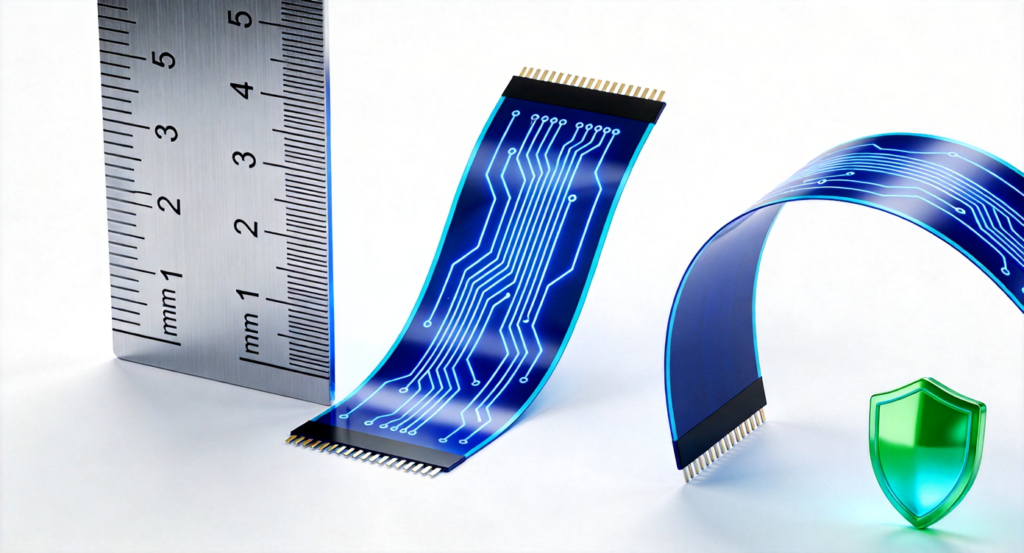
Polymer lithium-ion batteries can be bent up to approximately 90 degrees without damage. This flexibility opens the door to innovative product designs—curved smartwatches, flexible displays, and wearable health monitors that conform to body contours. For product designers pushing the boundaries of form factor, Li-polymer is the enabling technology.
5. High Voltage in a Single Cell
With liquid electrolyte batteries, achieving high voltage requires connecting multiple cells in series, adding complexity, weight, and failure points. Polymer lithium-ion batteries can be constructed with multiple internal layers within a single cell, delivering higher voltage without external series connections. This simplifies battery management systems and improves overall reliability.
6. Higher Energy Density
Polymer lithium-ion batteries deliver approximately double the capacity of same-sized conventional lithium-ion cells. This higher energy density means longer runtime in the same physical space—or the same runtime in a significantly smaller package. For portable devices where every millimeter and gram matters, this advantage is decisive.
7. Superior Safety with Aluminum-Laminate Packaging
Safety is perhaps the most important advantage. Polymer lithium-ion batteries use aluminum-laminate (aluminum-plastic composite) packaging instead of the rigid metal casings found in liquid electrolyte cells. This provides two critical safety benefits:
- Visible warning: Internal defects cause the packaging to swell or deform, providing an early visual indicator of potential issues before failure occurs
- No explosion risk: In the event of a safety incident, the battery will only bulge—never explode—because the flexible packaging allows controlled pressure release
This inherent safety characteristic makes Li-polymer batteries the standard choice for consumer electronics, medical devices, and applications where user safety is paramount.
Polymer vs. Liquid Electrolyte: Quick Comparison
| Feature | Polymer Li-Ion | Liquid Li-Ion |
|---|---|---|
| Electrolyte | Gel-like solid | Liquid |
| Minimum Thickness | 0.5mm | ~3mm |
| Shape Flexibility | Any shape | Fixed shapes |
| Bendable | Yes (up to 90°) | No |
| Leakage Risk | None | Possible |
| Safety Packaging | Aluminum-laminate | Metal casing |
| Failure Mode | Swelling only | Potential explosion |
| Energy Density | Higher (2x same size) | Standard |
Applications That Benefit Most
Polymer lithium-ion batteries are particularly well-suited for:
- Wearable devices — Smartwatches, fitness trackers, health monitors
- Medical equipment — Portable monitors, implantable devices, diagnostic tools
- Consumer electronics — Smartphones, tablets, wireless earbuds
- IoT devices — Sensors, smart home products, tracking tags
- Industrial applications — Portable instruments, backup power modules
Choosing the Right Battery Partner
When selecting a polymer lithium-ion battery supplier, consider these critical factors:
- Custom design capability — Can they produce non-standard shapes and sizes?
- Safety certifications — IEC 62133, UL 2054, UN38.3 compliance
- Quality consistency — Stable performance across production batches
- Technical support — Engineering assistance for battery integration
Contact Us
Looking for a reliable polymer lithium-ion battery supplier? Our team delivers:
- 🔧 Custom Li-polymer battery design in any shape and size
- 🔧 Ultra-thin battery solutions down to 0.5mm
- 🔧 Full safety certification (IEC 62133, UL, UN38.3)
- 🔧 Engineering support for battery integration
📞 Get a Quote:Request Technical Consultation
🌐 Explore Products:Polymer Lithium Batteries | Medical Battery Solutions