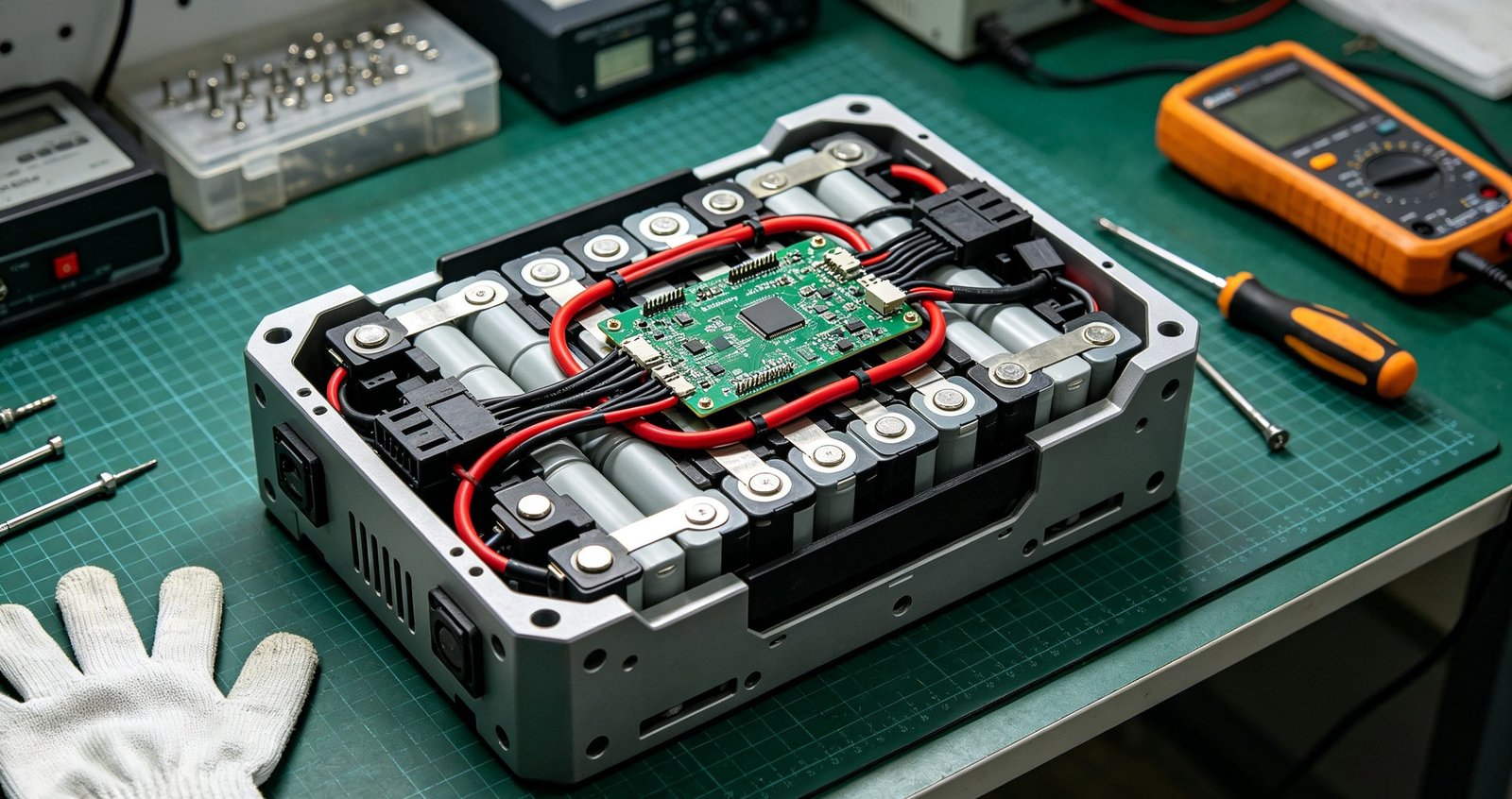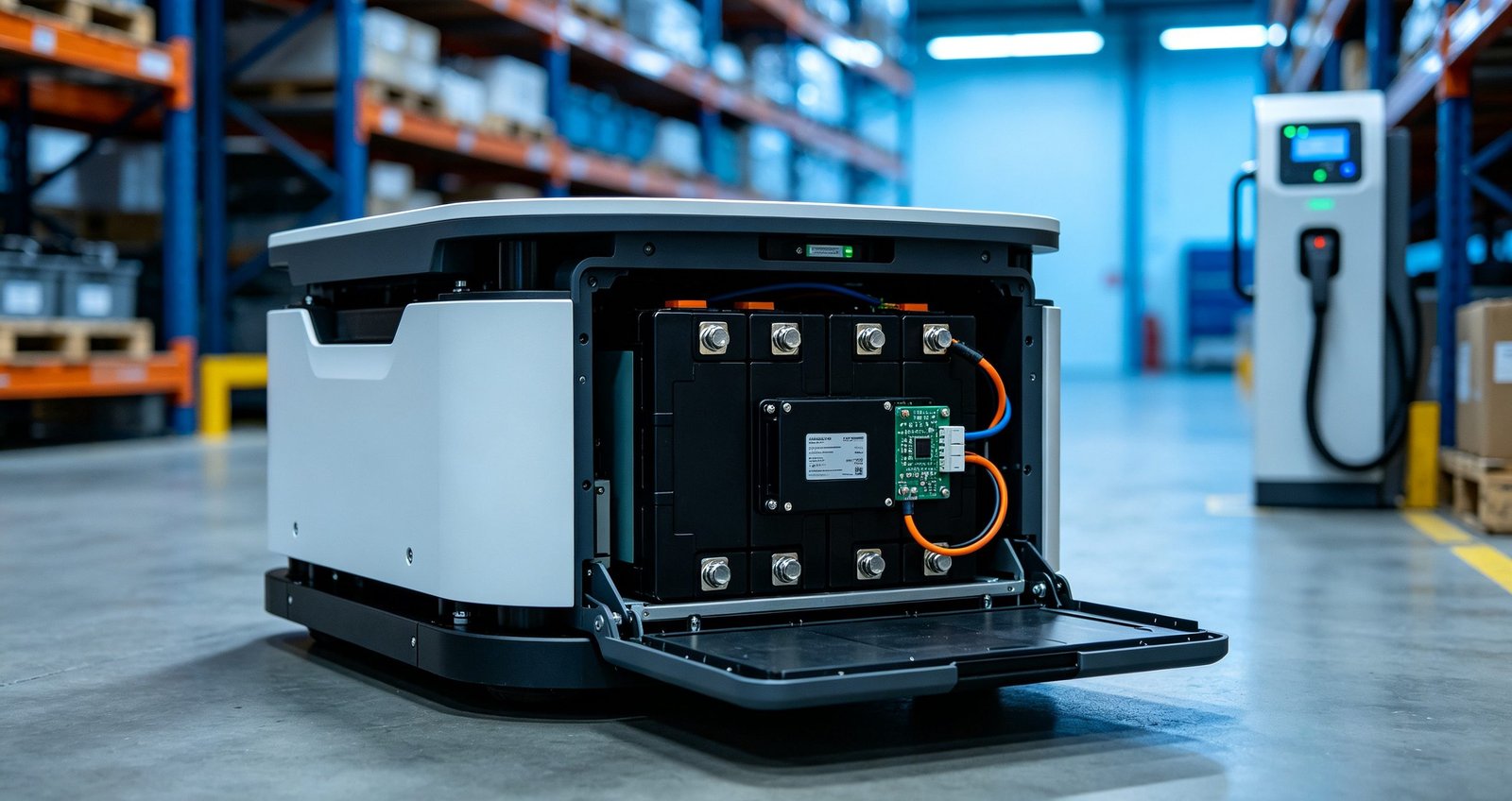

The Complete Guide to Trail Camera Battery: Pick Reliable Power for Outdoor Wildlife Cameras
Outdoor trail cameras have strict power requirements. They need long-lasting, stable power and must withstand harsh field environments. In this blog post, we’ll dive deep into the three common power options, highlighting their characteristics, advantages, and ideal usage scenarios. By understanding these options, you can make a smarter choice for your outdoor wildlife monitoring needs.
Besides performance, it is also vital to pay attention to battery disposal and environmental impact. Alkaline batteries can be disposed of in regular trash, while lithium and NiMH batteries must be recycled properly to prevent environmental damage. Many retailers and community programs offer recycling options. This factor affects not only your purchasing decision but also reflects your attitude toward sustainability and environmental responsibility.
3 Main Types of Trail Camera Battery
Alkaline Batteries
Alkaline batteries are the most common and affordable option, suitable for short‑term or occasional trail camera use. They deliver stable voltage yet feature relatively short runtime, generally supporting around 3‑4 months of continuous operation. Easy to source from local stores, they fit tight‑budget users.
The major downside is limited service life. For hunters and wildlife enthusiasts deploying cameras for long‑term observation, frequent battery replacement becomes troublesome. Before purchasing, evaluate how often you can access your camera site and decide whether longer‑lasting power outweighs the upfront low cost of alkaline batteries.
Lithium Batteries
Lithium batteries stand as the top pick for trail cameras thanks to high energy density and outstanding low‑temperature performance. They can run for one year or longer, removing the burden of frequent swaps for continuous outdoor monitoring.
Lightweight and adaptable to extreme temperatures, they work reliably in cold winter and high‑altitude locations. Stable voltage output lowers the risk of missing critical wildlife footage. Though the initial purchase cost is higher, this power source brings excellent long‑term cost efficiency by cutting maintenance and replacement work.
NiMH Rechargeable Batteries
Nickel‑metal hydride (NiMH) rechargeable batteries are eco‑friendly and cost‑effective for frequent application. Featuring large capacity and multiple recharge cycles, they help cut waste for sustainability‑focused users.
One notable weakness is higher self‑discharge. NiMH units lose power faster during idle storage, so proper storage and daily maintenance are required to maintain good working status. They are perfect for outdoor lovers who visit cameras on a regular basis and hope to reduce environmental footprint. Despite higher initial investment, reusability brings considerable savings in long‑run projects.
Temperature & Storage Considerations for Trail Camera Battery
It is important to consider storage conditions and how different battery types respond to changing weather. Lithium batteries maintain solid output under extreme cold; alkaline batteries drain much faster in low‑temperature surroundings. This point matters greatly for cameras deployed in winter or high‑altitude zones with sharp temperature swings. Knowing these differences helps you pick the right power source matched to your actual field environment.
Final Recommendations for Trail Camera Battery Selection
When choosing power for your trail camera, lithium batteries are undoubtedly the best all‑round choice. They deliver long service life, steady output and reliable operation across hot and cold conditions, greatly improving camera stability and user experience. Despite higher upfront expense, they reduce replacement frequency and long‑term maintenance costs, making them ideal for wildlife outdoor monitoring.
If you only run trail cameras occasionally, low‑cost alkaline batteries will satisfy your basic demands. For eco‑minded users conducting long‑term monitoring, NiMH rechargeable batteries serve as a viable alternative. Match your power selection to real‑world usage frequency and site environmental features, so your trail camera can achieve peak performance and capture wonderful wildlife moments.
Understanding battery performance allows you to make well‑informed decisions and elevate your whole outdoor observation experience.
For more details or custom battery solutions, visit our About us page or Contact us.