
The low-temperature solid-phase reaction is an innovative technique within inorganic chemistry. Distinct from conventional high‑temperature solid‑state reactions, this approach can synthesize metastable compounds at relatively low temperatures, bringing distinctive benefits for developing cutting‑edge advanced materials.
What Is the Low‑Temperature Solid‑Phase Reaction?
This synthesis process takes place at room temperature or under mild heating environments, with no solvents required throughout the whole process. As an eco‑conscious synthetic route, it outperforms classic high‑temperature workflows with simpler workflows, lower operational costs and improved overall efficiency.
Core Advantages of the Low‑Temperature Solid‑Phase Reaction
- Eco‑Friendly & Green Chemistry: Solvent‑free processing, zero pollution output and reduced energy consumption.
- Cost Reduction: Streamlined synthetic procedures with fewer intermediate processing steps.
- High‑Purity Output: Greatly limits impurity generation and particle agglomeration.
- Broad Versatility: Suitable for manufacturing oxides, nanopowders, polyacids and metal complexes.
Application of the Low‑Temperature Solid‑Phase Reaction in Battery Materials
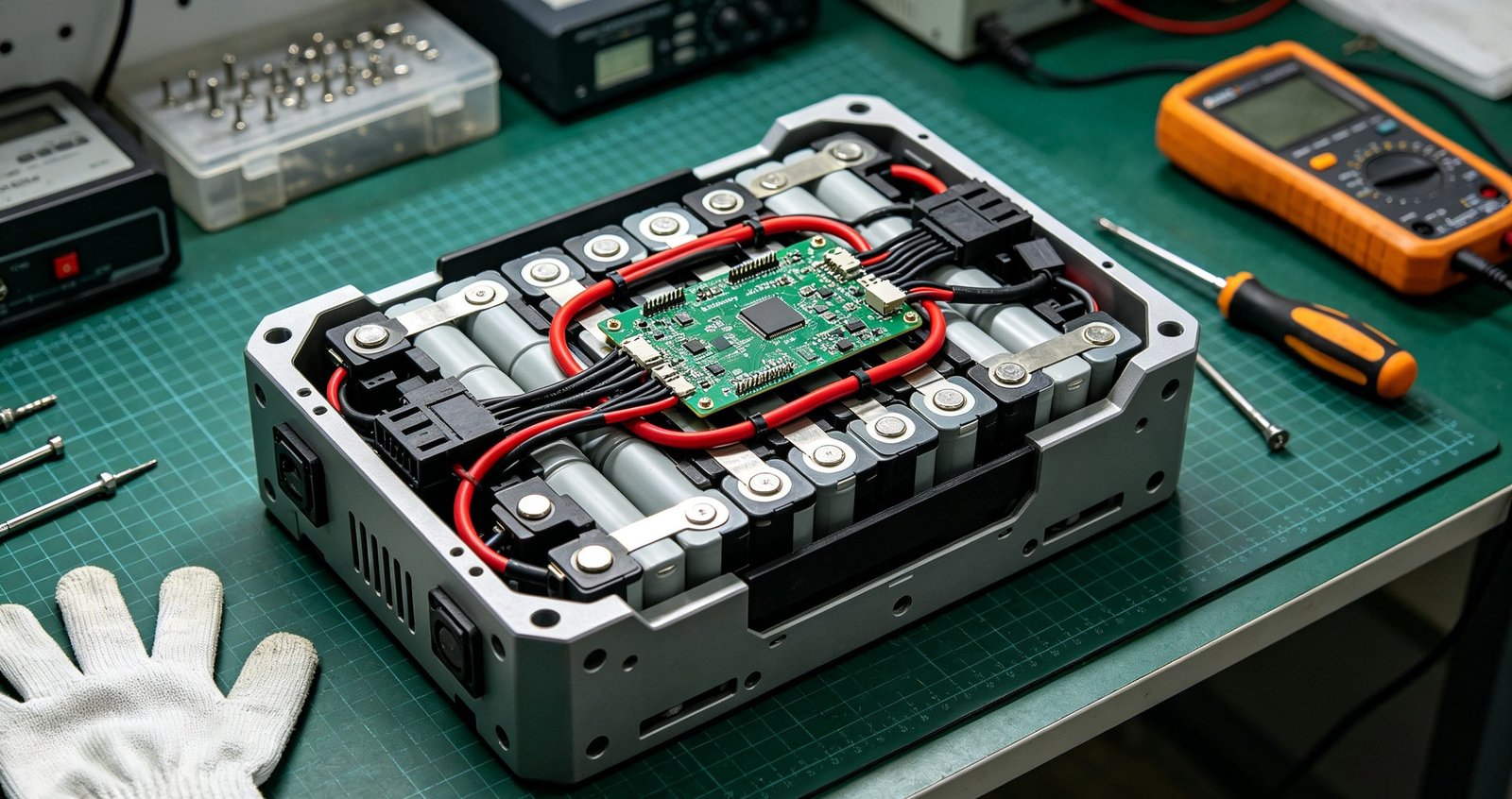
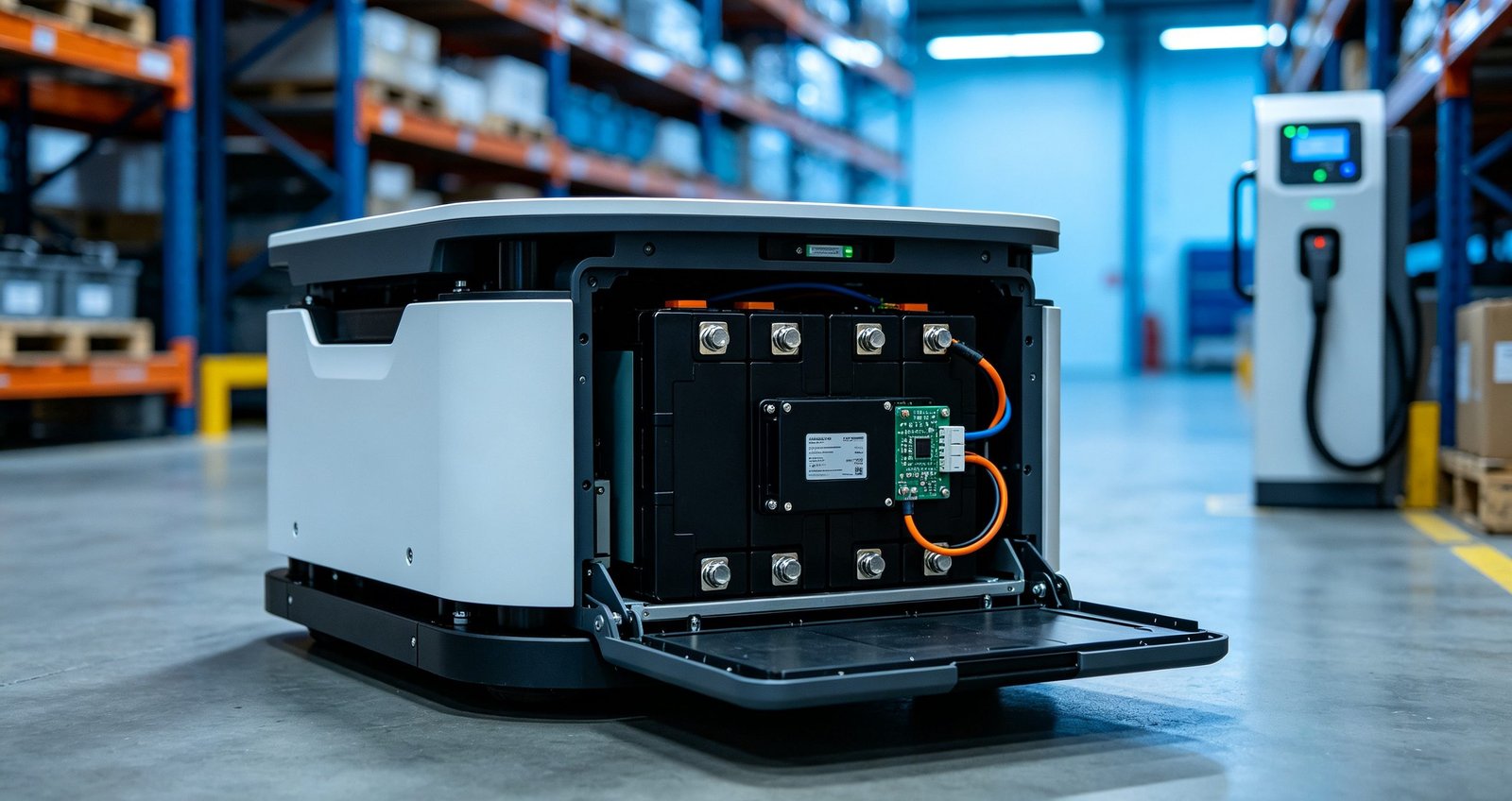
One of the most valuable use‑cases for this synthesis technology lies in manufacturing high‑performance battery active materials. Materials produced via this route maintain stable internal structures and deliver superior electrochemical properties, matching the rising market demand for sustainable energy‑storage solutions.
Research Outlook of the Low‑Temperature Solid‑Phase Reaction
This synthesis route serves as a powerful instrument for green synthetic chemistry. Capable of producing economical, environmentally sound and high‑performance battery materials, it will remain fundamental for upcoming advances in energy‑storage systems and advanced‑material research.
If you want to know more about our R&D and manufacturing strengths, visit our website page. For potential collaboration and custom material‑related battery projects, reach us via WhatsApp: Whatsapp . Our technical team can work out custom‑made solutions matching your exact requirements.