Lithium-ion Battery Classification: A Complete Guide
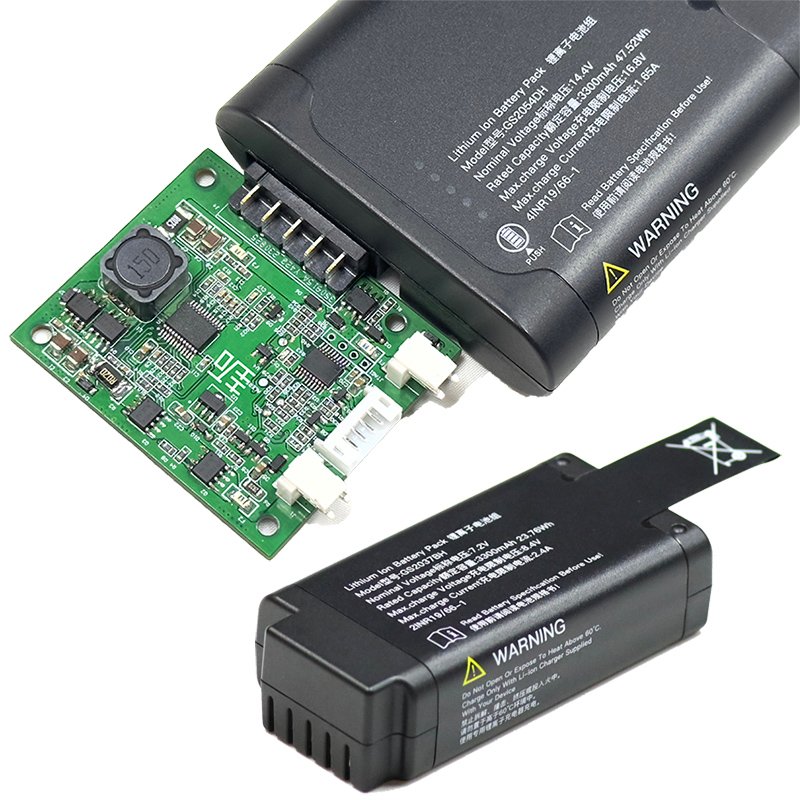
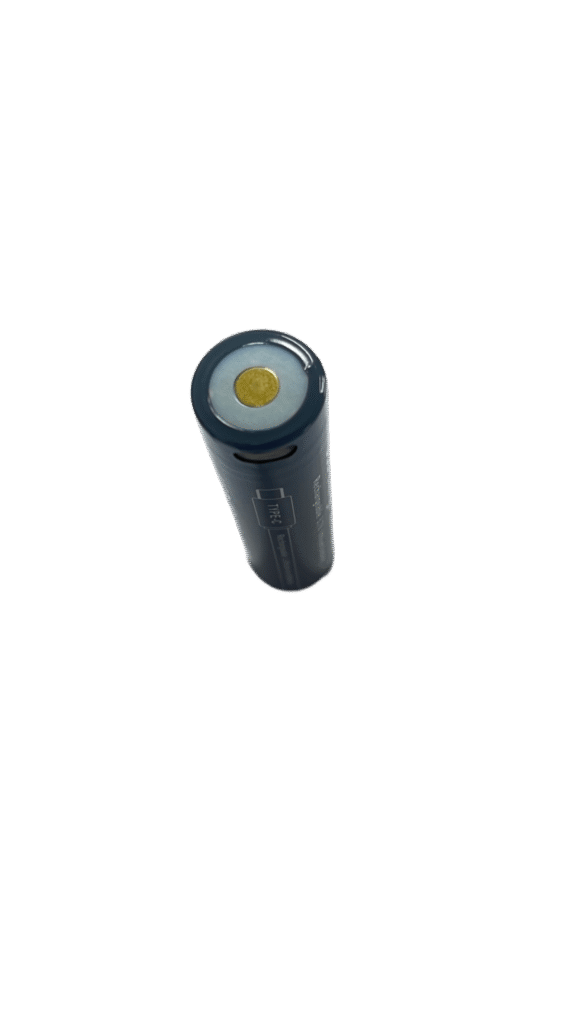
Lithium-ion battery classification is an essential foundation for engineers, procurement specialists and battery designers to evaluate energy storage solutions, compare performance metrics and match cells to target applications. Widely adopted across consumer electronics, medical devices, power tools and electric mobility, lithium-ion batteries can be sorted by multiple criteria. Classification based on electrolyte form stands out as one of the most practical, widely accepted frameworks for safety and application assessment.
Lithium-ion Battery Classification by Electrolyte Type
When grouped by electrolyte state, lithium-ion batteries fall into two primary categories: liquid lithium-ion batteries and solid-state lithium-ion batteries. Both rely on the core lithium-ion intercalation principle for charge and discharge, yet their internal construction, safety profiles and operating limits differ dramatically.
Liquid Lithium-ion Batteries
Liquid lithium-ion batteries are the mature, dominant commercial category in lithium-ion battery classification. They use a liquid organic electrolyte to shuttle lithium ions between cathode and anode. Thanks to reliable ionic conductivity, proven electrochemical stability and scalable manufacturing workflows, liquid lithium-ion cells remain the mainstream choice for smartphones, laptops, power tools and most portable electronics.
Even so, the flammable liquid electrolyte brings inherent safety risks. Under extreme heat, puncture or overcharge, leakage and thermal runaway may occur. As OEMs pursue slimmer form factors and higher energy density, balancing safety and capacity continues to be a major design challenge for conventional liquid lithium-ion systems.
Solid-state Lithium-ion Batteries
Solid-state lithium-ion batteries, including gel and polymer lithium-ion variants, represent an advanced, fast-growing branch within lithium-ion battery classification. This design replaces flammable liquid electrolyte with solid or gel polymer electrolyte. The structural upgrade drastically cuts leakage and combustion hazards, delivering superior intrinsic safety.
Solid-state designs also support ultra-thin profiles and flexible shaping, making them highly suitable for wearables, compact medical electronics and next-generation consumer hardware. The main barriers today are higher production costs and limited mass-scale manufacturing maturity. Even so, solid-state lithium-ion technology is widely recognised as a transformative direction for future battery development.
Future Trends in Lithium-ion Battery Classification
Rising global demand for safe, high-density energy storage continues to reshape lithium-ion battery classification standards. Hybrid electrolyte formulations, advanced solid materials and optimised cell architectures will redefine performance boundaries and unlock new use cases across industrial, medical and electric vehicle sectors. As material innovation moves forward, classification rules will also evolve to accommodate emerging battery chemistries and formats.
FAQ
Q: What is the most useful way for engineers to classify lithium-ion batteries?
A: Classification by electrolyte type is the preferred practical method, as it directly correlates with safety risks, energy density and manufacturing suitability.
Q: Are polymer lithium batteries the same as solid-state batteries?
A: Gel polymer cells are often grouped under solid-state categories, though true inorganic solid-state batteries differ from gel polymer variants in electrolyte composition and conductivity.