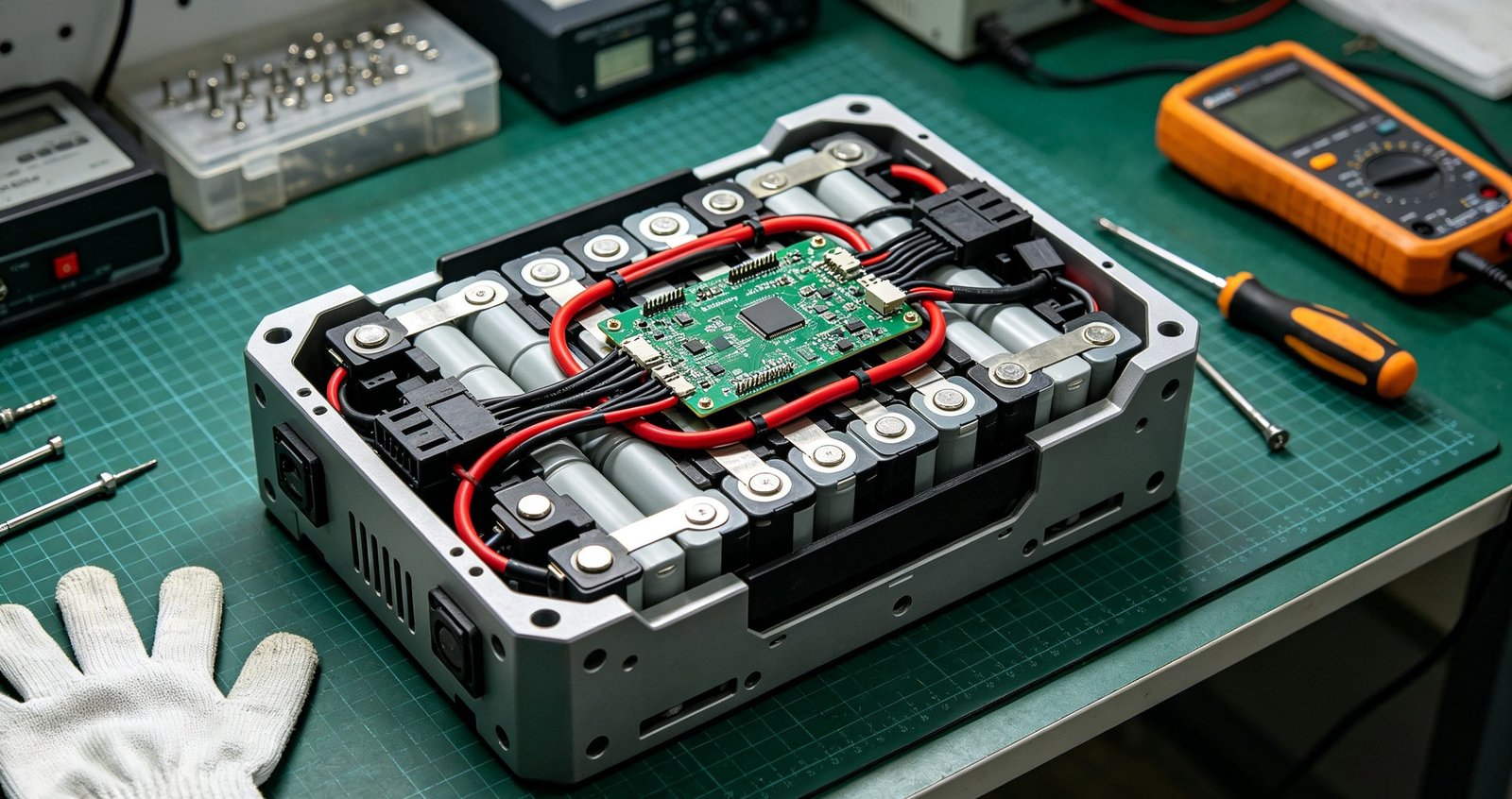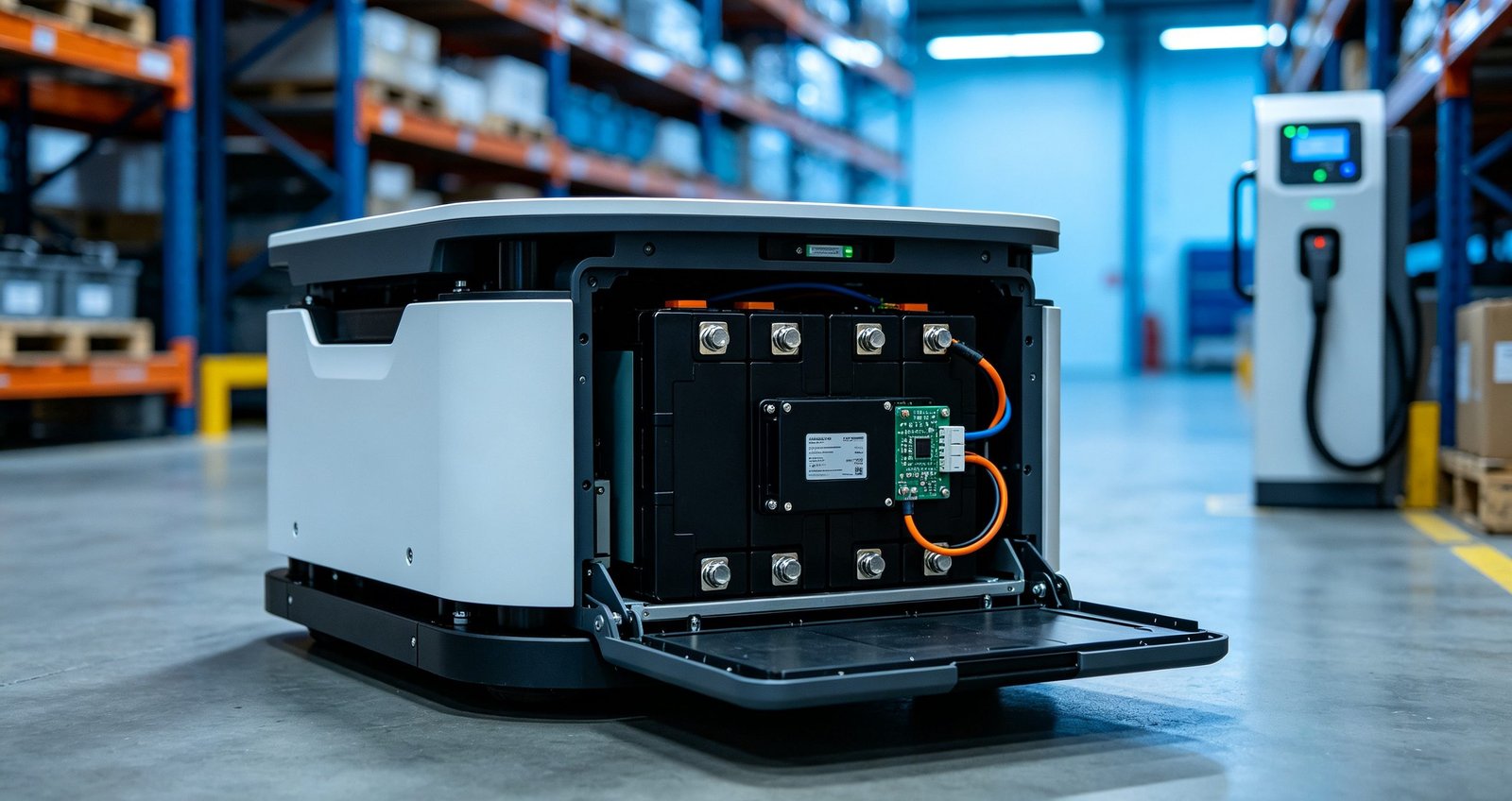
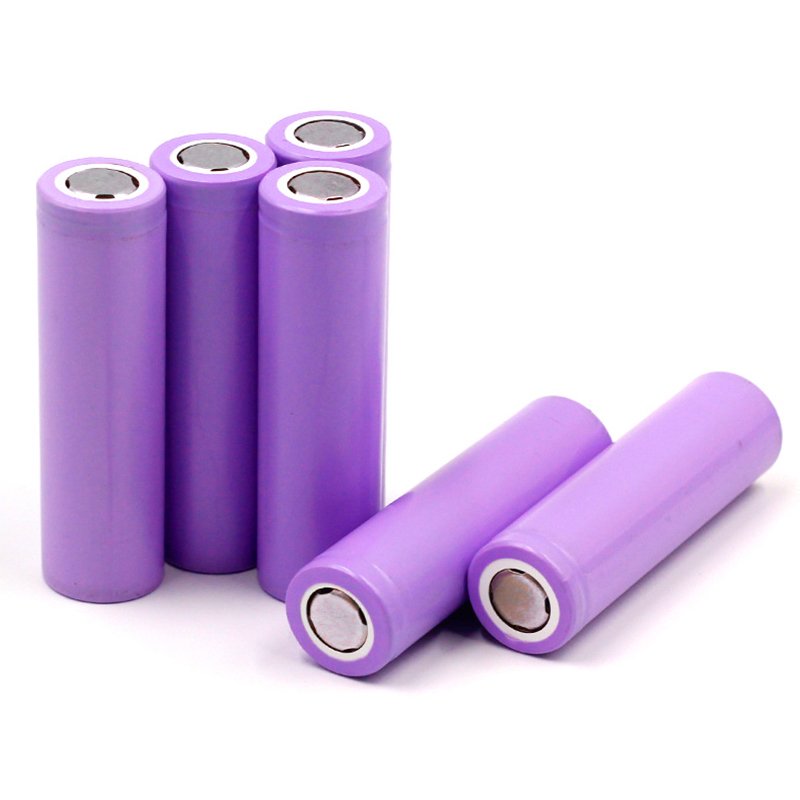

Lithium-ion batteries are high-performance rechargeable cells that serve as the mainstream power solution for modern portable electronics, electric vehicles and energy storage systems. They were engineered as a safer, higher-efficiency alternative to primitive lithium metal batteries. For more background on lithium-ion battery cell construction, refer to ScienceDirect: Lithium‑ion battery fundamentals. To learn about finished battery assembly for commercial and industrial projects, read our guide about custom lithium battery pack manufacturing.
Lithium batteries and lithium-ion batteries may adopt similar cathode chemistries, typically lithium metal oxides such as LiCoO₂ and LiMn₂O₄. However, the working principle of lithium-ion batteries stands out mainly because of its anode design. Instead of metallic lithium, lithium-ion cells use carbon-based materials like graphite for the anode, which greatly boosts safety and extends cycle life.
7 Essential Facts About the Lithium-Ion Battery Working Principle
- Reversible Lithium-Ion Migration The core mechanism relies on lithium ions moving back and forth between the cathode and anode during charging and discharging.
- Cathode Materials Widely used cathode options include lithium cobalt oxide (LiCoO₂), lithium nickel oxide (LiNiO₂), and lithium manganese oxide (LiMn₂O₄).
- Anode Materials Graphite and other carbon-based materials are selected for anodes to deliver improved safety and longer service life.
- Function of the Separator Microporous polyethylene (PE) or polypropylene (PP) films isolate the two electrodes and prevent internal short circuits.
- Electrolyte Makeup Electrolytes consist of organic solvents mixed with lithium salts, including LiPF₆ and LiClO₄. You can find more authoritative safety guidance on lithium-ion storage systems from the U.S. Department of Energy: Lithium‑ion batteries.
- High Nominal Voltage Lithium-ion batteries feature a nominal voltage of around 3.6V, nearly three times the voltage of classic Ni-Cd or Ni-MH batteries.
- Improved Safety Performance Replacing metallic lithium with carbon anode material eliminates the risk of hazardous lithium dendrite growth.
Lithium-Ion Battery Structure and Core Components
Most commercial cylindrical lithium-ion batteries follow this configuration:
- Cathode: LiCoO₂
- Anode: Graphite
- Separator: PE or PP microporous membrane
This set of components delivers the well-known benefits of lithium-ion technology: high energy density, low self-discharge rate and long cycle performance. If you are comparing different lithium chemistries for stationary storage, check our article about 48V rack mount LiFePO4 battery factory to see practical application differences.
Conclusion: Why the Lithium-Ion Battery Working Principle Is Important
Thanks to its unique working principle, the lithium-ion battery has become one of the most efficient and dependable energy storage technologies available. It powers everything from mobile phones to electric vehicles and shapes the future of clean energy. The mix of high operating voltage, reliable safety and rechargeable capability keeps lithium-ion batteries the preferred choice across many industries.