
Introduction
When your equipment operates outdoors, on construction sites, near water or in dusty field environments, standard lithium battery packs quickly fail from moisture and dust ingress. An ip67 waterproof lithium battery pack is engineered to solve this challenge.
IP67 rating means the battery enclosure is dust-tight, and can withstand temporary submersion in 1 meter of fresh water for up to 30 minutes, following IEC 60529 testing standards. It is widely adopted for marine electronics, portable field instruments, outdoor lighting and mobile industrial devices. However, not all claimed IP67 packs deliver consistent real-world performance. OEM buyers must evaluate sealing design, cell selection and validation tests before bulk orders.
What Is an IP67 Waterproof Lithium Battery Pack and How It Works
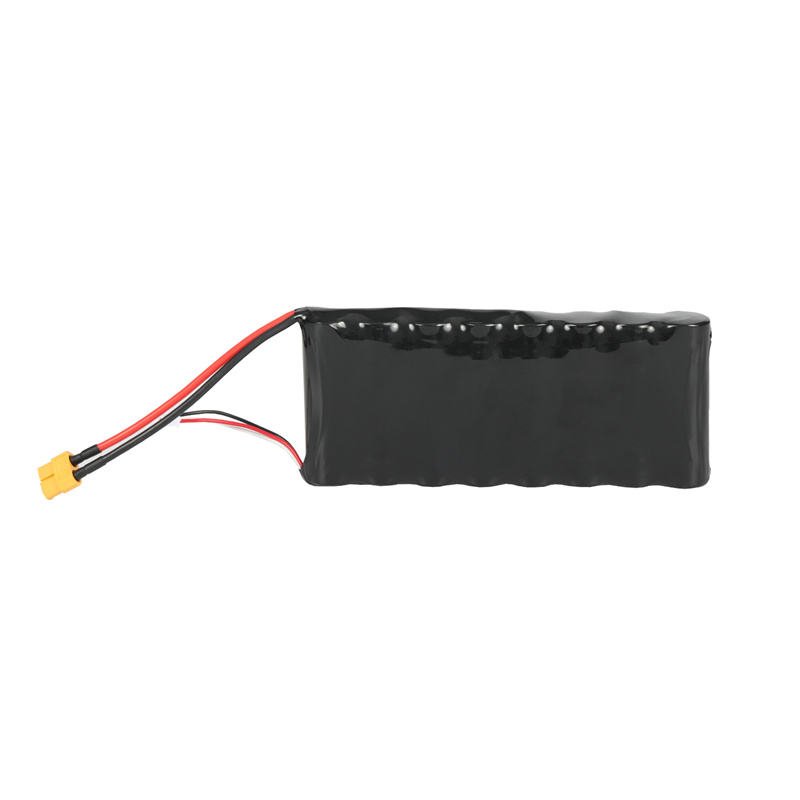
An ip67 waterproof lithium battery pack integrates lithium cells, BMS protection circuit and sealed housing with rubber gaskets, sealed connectors and potting treatment. The IP rating has two digits:
- Digit 6: Fully dust tight, no dust particles can enter the enclosure.
- Digit 7: Protected against temporary immersion in 1m water for 30 minutes.
Important note: IP67 is for short accidental immersion, NOT continuous underwater operation. Long-term submersion requires IP68 grade. Many buyers misunderstand this point and face early product failures in marine projects.
Main Applications of IP67 Waterproof Lithium Battery Pack
OEM designers commonly specify an ip67 waterproof lithium battery pack for these harsh-environment products:
- Marine electronics: fish finders, boat navigation sensors, small auxiliary power units
- Outdoor monitoring equipment: trail cameras, solar monitoring stations, field sensors
- Portable industrial tools: construction inspection devices, emergency communication gear
- Mobile robots and off-road portable power systems
5 Critical Criteria When Sourcing IP67 Waterproof Lithium Battery Pack
1. Valid Third-Party IP67 Certification
Do not rely only on manufacturer self-declaration. Request official test reports from accredited labs for your ip67 waterproof lithium battery pack. Real IP67 testing includes dust chamber exposure and water immersion test. Without independent certification, the seal may leak after temperature cycling or vibration.
2. Housing & Sealing Structure
The sealing system defines the durability of the ip67 waterproof lithium battery pack. Look for robust ABS or aluminum housing, continuous silicone gaskets, waterproof connectors and potting glue for internal electronics. Cheap packs use thin gaskets that degrade under UV, heat or salt spray. For coastal marine use, anti-corrosion surface treatment is also required.
3. BMS Protection Matching Your Operating Environment
A reliable ip67 waterproof lithium battery pack comes with integrated BMS to guard against overcharge, over-discharge, short circuit and overheating. For outdoor projects, select BMS with wide temperature range. If the device works near seawater, confirm the BMS board has conformal coating against humidity and salt fog corrosion.
4. Cell Chemistry & Cycle Life
LiFePO4 cells are the most popular choice for ip67 waterproof lithium battery pack, thanks to excellent safety, long cycle life and stable performance in fluctuating outdoor temperatures. Lithium-ion options are available for higher energy density, but thermal management must be carefully designed inside the sealed housing.
5. Full Environmental Validation Tests
Before mass production, your supplier should complete aging, thermal shock, vibration and salt spray testing on the ip67 waterproof lithium battery pack. Sealed packs trap heat; poor thermal design will shorten battery cycle life even if the waterproof seal works perfectly.
Common Mistakes OEM Buyers Make for IP67 Waterproof Lithium Battery Pack
- Confusing IP67 with IP68: IP67 only supports temporary dipping, not permanent underwater use.
- Accepting self-claimed IP67 without third-party test reports.
- Ignoring connector sealing: many battery packs have sealed housing but ordinary non-waterproof connectors, which become the main leak point.
- Overlooking thermal buildup: fully sealed enclosures reduce heat dissipation, raising risks for high-discharge applications.
FAQ
Can an IP67 waterproof lithium battery pack be used in seawater?
It can resist occasional splashes, but standard IP67 does not guarantee saltwater resistance. Salt spray will corrode seals and terminals. For marine coastal applications, add anti-salt-fog coating and material upgrade.
Is IP67 waterproof lithium battery pack maintenance-free?
No. Periodic inspection of gaskets and connectors is recommended. UV exposure over years may degrade rubber seals, reducing waterproof performance.
What is the difference between IP65, IP67 and IP68 lithium battery packs?
IP65 protects against water spray; IP67 handles temporary 1m/30min immersion; IP68 supports continuous deep submersion with defined depth and duration.
Conclusion
Selecting a qualified ip67 waterproof lithium battery pack is not only about checking the IP label on the spec sheet. OEM buyers need to verify third-party certification, sealing construction, BMS design, cell grade and environmental test data. A properly engineered IP67 battery pack delivers stable power and minimizes field failure risk for your outdoor and marine equipment.