
Overview of Green Batteries for Modern Industrial Applications
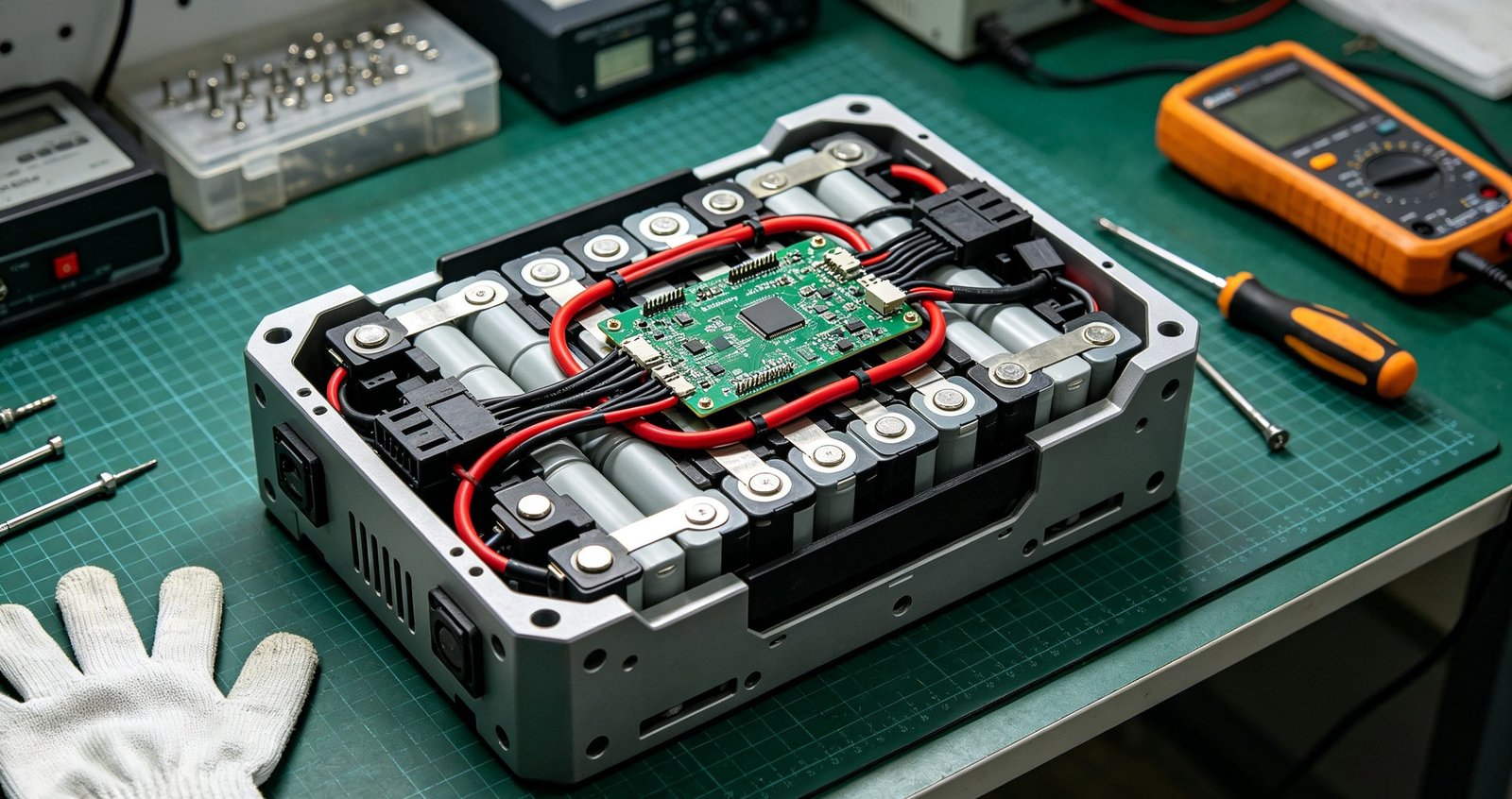
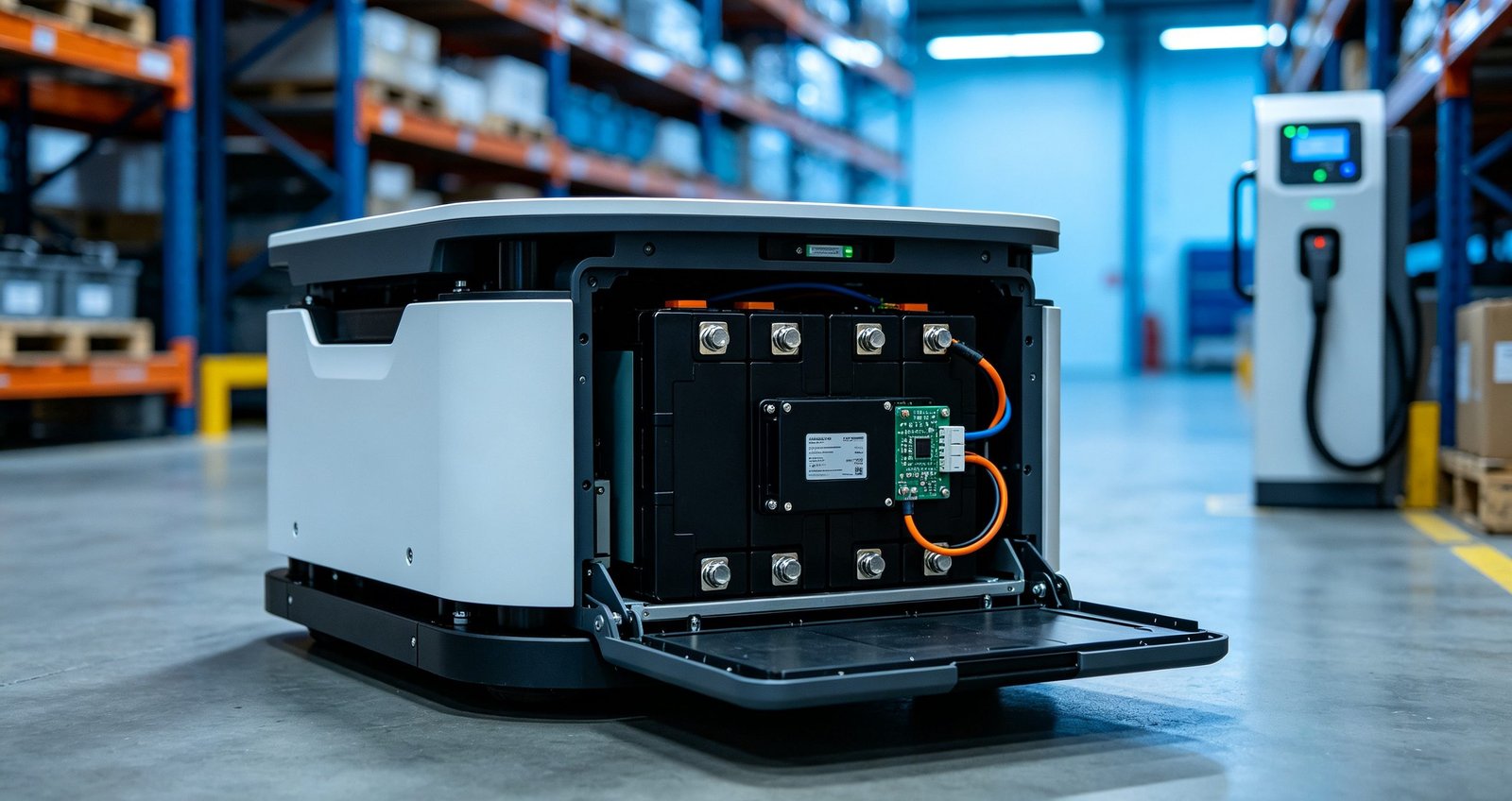
Sustainable power solutions have become a core consideration for global hardware developers. Green Batteries in Use and Development cover multiple eco‑friendly chemistries designed to cut environmental footprint while delivering stable performance for consumer and industrial hardware.
When you evaluate green batteries in use and development, lithium‑ion batteries stand out as one of the most widely‑adopted green power sources, celebrated for high energy density, extended cycle performance and low‑pollution characteristics. Beyond lithium‑ion, the green‑battery portfolio includes Nickel‑Metal Hydride (NiMH), mercury‑free alkaline cells, lithium‑polymer packs, combustion batteries, and electrochemical supercapacitors. Solar cells, which convert sunlight directly into usable electricity, also serve a vital supporting role within complete clean‑energy systems.
As an experienced battery manufacturer, we develop and validate these eco‑oriented power solutions for worldwide customers. Learn about our lab and manufacturing capabilities via our About Us page.
Why Lithium‑ion Batteries Will Continue To Dominate Global Markets
Rechargeable lithium‑ion technology steadily displaces disposable primary batteries across cameras, cordless handsets, laptops and portable multimedia hardware. Its competitive advantages make it the preferred option for OEM product design, a major reason lithium‑ion occupies a central position among green batteries in use and development:
- High energy density: Stores greater energy output within compact physical dimensions.
- Low self‑discharge rate: Preserves stored charge during long standby periods.
- Broad working temperature window: Reliable performance across ‑30°C up to 55°C.
- Exceptional cycle life: Supports thousands of charge‑and‑discharge repetitions for long‑service‑life end‑products.
Device OEMs increasingly select lithium‑ion to reduce product replacement frequency and meet international environmental regulations. According to the IEA, lithium‑ion has grown into a USD 150 billion global market and remains the backbone of clean energy storage systems. Read the IEA analysis on the rise of lithium‑ion batteries.
Fundamental Working Principle of Lithium‑ion Batteries
Lithium‑ion batteries rely on reversible ion migration between internal electrodes. During discharge, lithium ions travel from the anode, pass through electrolyte material, and arrive at the cathode to generate output current. When connected to a compatible charger, lithium ions flow back toward the anode. This reversible physical‑chemical reaction enables repeated safe recharging, forming the foundation for the battery’s high practical efficiency. This reliable recharge feature is why lithium‑ion remains the flagship option when sourcing green batteries in use and development.
Critical Technical Parameters for Lithium‑ion Battery Sourcing
OEM engineering and procurement teams need clear parameter benchmarks to match lithium‑ion cells to project requirements:
- Average Voltage: Mean output voltage measured through the full discharge cycle
- Energy Density: Total energy stored per unit volume of battery cell
- Capacity: Total energy quantity released by internal active materials
- Design Capacity: Theoretical maximum capacity calculated from raw‑material specifications
- Rated Capacity: Real‑world achievable capacity after full factory production
- C‑rate (Discharge Rate): Ratio between working discharge current and official rated capacity
- Hour‑rate Discharge: Time required for full cell depletion under fixed test‑current conditions
Understanding these metrics avoids specification mismatches and reduces post‑sales failure risks for finished electronic devices, especially when comparing different options of green batteries in use and development. All green battery products sold into the EU must align with the latest EU Battery Regulation, which sets strict rules on carbon footprint, recycled content and end‑of‑life recovery. Check the official EU Battery Regulation.
Closing Thoughts for OEM Battery Decision‑Makers
Green battery technology keeps evolving to satisfy tightening global sustainability requirements. Lithium‑ion remains the mainstream choice, while NiMH, mercury‑free alkaline and supercapacitors fill differentiated application scenarios. Clarifying technical parameters at the early design phase helps you pick the optimal eco‑friendly power source for your target market.
For any OEM team researching green batteries in use and development, partnering with a verified battery supplier removes uncertainty around compliance, stability and customisation. If you require custom green‑battery prototypes, datasheets or bulk project quotations for your electronic equipment, please contact our sales team for professional support.