
Reliable Trail Camera Battery: Types, Specs and Sourcing Tips for Outdoor Surveillance
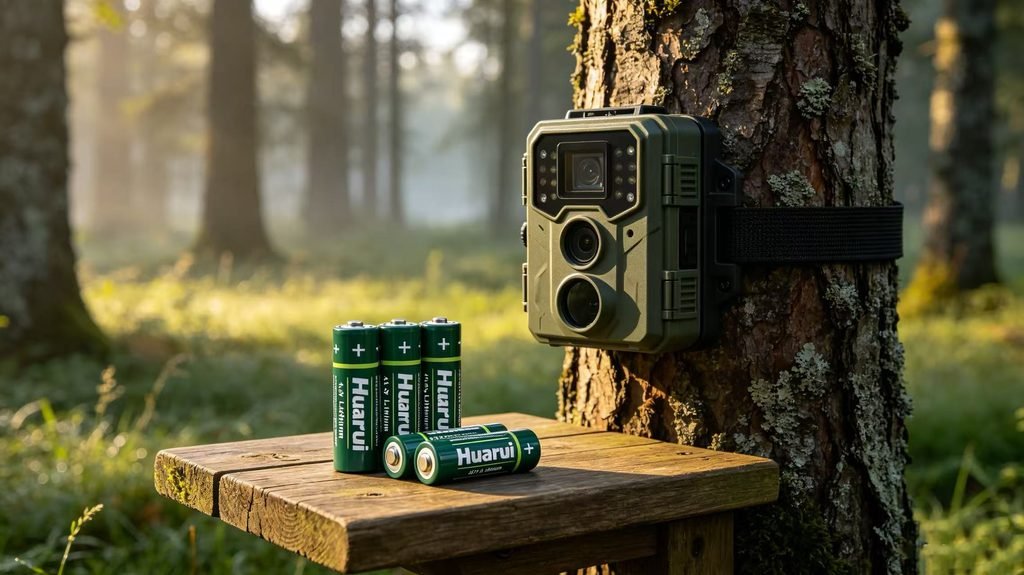
Trail camera battery directly determines field‑deployment stability for wildlife monitoring, hunting scouting and outdoor security cameras. Many bulk buyers source reliable trail camera batteries for long‑term unattended deployment. These devices spend most of their time in low‑power standby mode, but demand sudden high‑current bursts when triggering IR night‑vision LEDs and capturing photos or videos. Many bulk buyers only compare mAh ratings while ignoring voltage‑sag performance, low‑temperature tolerance and chemistry compatibility. Poor battery selection causes missing footage, premature shutdowns, and frequent on‑site battery replacement for field projects. This article breaks down mainstream trail camera battery chemistries, real‑world performance trade‑offs and practical bulk‑sourcing guidance.
Trail cameras mostly run on AA‑form‑factor batteries, typically 4‑8 cells in series. The key challenge is handling sudden high‑current spikes for IR illumination. Even if a battery shows good voltage at idle, heavy IR load can trigger voltage sag, dropping output below the camera’s minimum operating threshold and causing incomplete recording or camera failure. This is one of the most common pain points when selecting AA battery for trail camera applications.
Main trail camera battery chemistries and real‑world performance
Primary lithium AA batteries
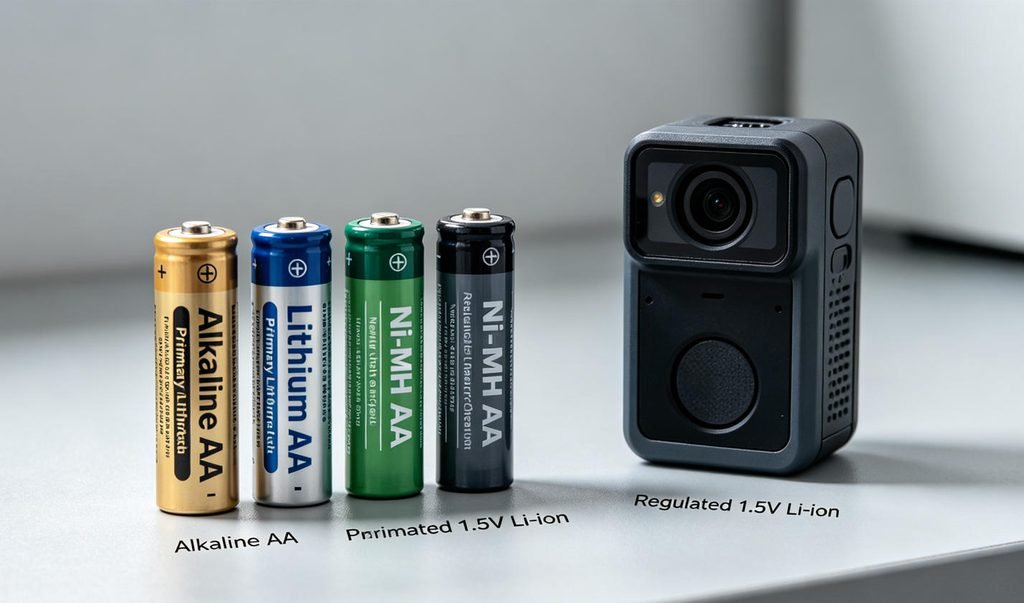
Primary lithium‑iron‑disulfide AA cells are the most widely‑adopted solution for unattended outdoor trail cameras. They deliver stable high‑voltage output, excellent low‑temperature performance down to −40 °F, and ultra‑long shelf‑life up to 20 years. Under IR‑LED high‑current pulses, voltage sag is minimal, which guarantees consistent night‑time triggering and image capture. This makes them the top choice for buyers searching for lithium trail camera battery for cold‑zone deployments. Best for: Long‑term set‑and‑forget deployments, cold‑winter field locations, hunting and wildlife monitoring projects. Drawback: Higher per‑unit cost compared with alkaline options.
Alkaline AA batteries
Standard alkaline AA cells are low‑cost and widely available. However, their performance degrades sharply in cold weather. Under heavy IR‑LED load, obvious voltage sag occurs, which leads to missing night‑time photos or video truncation. Alkaline batteries are only suitable for mild‑temperature, short‑duration deployments. Best for: warm‑climate short‑term field tests, low‑cost consumer‑grade trail cameras.
Ni‑MH rechargeable AA batteries
Ni‑MH rechargeable cells offer low per‑cycle cost. Their nominal voltage is only 1.2 V per cell, lower than 1.5 V alkaline or primary lithium. Under high‑current IR pulses, voltage drops further. Many trail‑camera models will report false low‑battery warnings even with fully‑charged Ni‑MH packs. Cold‑weather capacity loss is significant. Best for: indoor testing, short‑duration use in mild temperatures; not recommended for long‑term outdoor field deployment.
Regulated 1.5 V rechargeable Li‑ion AA cells
These are lithium‑ion cells with built‑in voltage‑regulation circuits to output steady 1.5 V. They maintain flat voltage output until nearly empty, minimizing voltage‑sag risk for IR‑LED operation. They perform well in low‑temperature environments and support repeated charging cycles. Best for: users seeking rechargeable convenience for outdoor trail‑camera projects.
Trail camera battery core comparison table
| Battery Chemistry | Nominal Voltage | Low‑Temp Performance | Voltage‑Sag Risk | Typical Shelf Life | Main Application Scenario |
|---|---|---|---|---|---|
| Primary Lithium AA | 1.5 V | Excellent | Low | 10‑20 years | Long‑term outdoor, cold‑climate wildlife/hunting cameras |
| Alkaline AA | 1.5 V | Poor | High | 5‑7 years | Mild‑temperature short‑term deployment |
| Ni‑MH Rechargeable AA | 1.2 V | Fair | High | 1‑2 years | Indoor testing, short‑duration mild‑weather use |
| Regulated 1.5V Li‑ion AA | 1.5 V | Good | Low | 3‑5 years | Rechargeable outdoor trail‑camera projects |
Critical sourcing pitfalls for bulk trail camera battery orders
First, never mix different battery chemistries inside one trail‑camera pack. Mixing alkaline, lithium and Ni‑MH cells creates uneven discharge behavior, which can cause device malfunction and even battery leakage. Always specify identical‑chemistry full‑set batteries in your BOM.
Second, watch out for over‑stated capacity claims. Many suppliers advertise exaggerated mAh values for AA‑form‑factor cells. Real‑world usable capacity matters far more than printed label numbers. Always request sample testing before large‑volume procurement to verify performance under IR‑LED high‑current load.
Third, low‑temperature adaptability is non‑negotiable for northern‑region field projects. This is a key factor for anyone looking for the best trail camera battery for cold weather. Standard alkaline batteries lose most usable capacity in freezing conditions. For cold‑zone deployments, prioritize primary lithium or regulated rechargeable lithium chemistry.
Fourth, compliance documentation is mandatory for cross‑border bulk shipments. Qualified trail‑camera batteries require UN38.3 transport certification and MSDS safety sheets. For industrial‑grade surveillance equipment, refer to IEC 62133 safety standards. For more battery‑safety knowledge, check resources from Battery University and official IEC standard documents.
Practical selection checklist for trail camera battery projects
- Select primary lithium AA: Long‑term unattended deployment, freezing cold weather, hunting and wildlife monitoring.
- Select alkaline AA: Short‑term testing in warm climates, cost‑sensitive consumer‑grade trail‑camera units.
- Select regulated 1.5 V rechargeable Li‑ion AA: Repeated‑use outdoor projects, want rechargeable convenience.
- Avoid standard Ni‑MH AA for long‑term outdoor field deployment due to low nominal voltage and voltage‑sag risk.
- Always test samples under real‑world IR‑LED high‑current load before mass‑ordering.
Battery label capacity alone cannot guarantee trail‑camera field performance. Always evaluate voltage‑sag behavior, low‑temperature performance, and certification status when drafting component specifications for bulk orders. Many buyers overlook these details when sourcing bulk trail camera batteries, resulting in field‑operation failures.
If you need technical datasheet support for trail‑camera‑focused battery solutions, reach out for further technical consultation.