
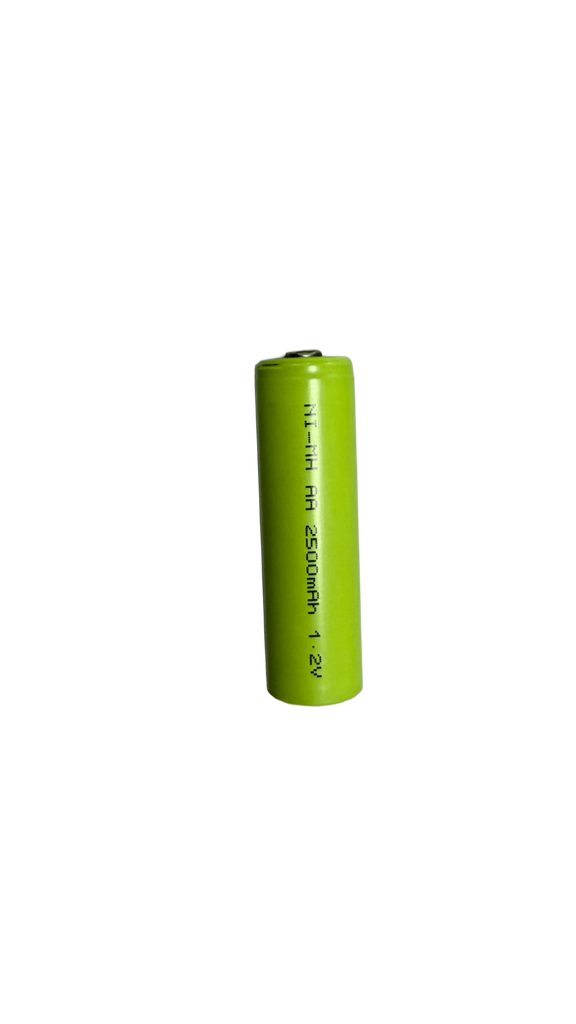
Reliable 1.2 Volt Rechargeable Battery: Specs, Applications & Bulk Sourcing Pitfalls
1.2 volt rechargeable battery is one of the most widely‑used cylindrical rechargeable power sources across consumer electronics, solar lighting, toys, remote controls and small industrial devices. Most of these cells are built on Ni‑MH (Nickel‑Metal Hydride) chemistry, with a nominal output of 1.2 V per cell. Many buyers get confused about why these rechargeable cells deliver 1.2 V instead of the 1.5 V output from standard alkaline batteries. This voltage difference creates compatibility challenges for certain devices, and it is critical to understand real‑world discharge behavior before placing bulk orders.
Unlike alkaline batteries, which start at 1.5 V and gradually drop voltage as power depletes, a Ni‑MH 1.2v rechargeable battery maintains a relatively flat discharge curve throughout most of its cycle life. Even though nominal voltage is 1.2 V, the open‑circuit voltage of a fully‑charged Ni‑MH cell can reach 1.4‑1.45 V. This means most 1.5 V‑designed consumer devices can work well with 1.2 V Ni‑MH cells. However, some sensitive equipment with strict voltage thresholds may report low‑battery warnings or fail to operate properly.
Core chemistry and key specifications of 1.2‑volt rechargeable batteries
Nearly all mass‑market 1.2 volt rechargeable battery options are Ni‑MH cells, available in AA, AAA, and other cylindrical form‑factors.
- Nominal voltage: 1.2 V per cell
- Typical cycle life: 500‑1200 charge‑discharge cycles
- Open‑circuit full‑charge voltage: 1.40‑1.45 V
- Modern low‑self‑discharge (LSD) variants retain 70‑90% charge after 12‑month storage, greatly reducing self‑discharge loss.
Important note: Do not confuse Ni‑MH 1.2 V cells with regulated 1.5 V lithium‑ion rechargeable AA/AAA. These are two completely different battery chemistries with distinct voltage profiles and application limits.
Common real‑world applications for 1.2 volt rechargeable battery
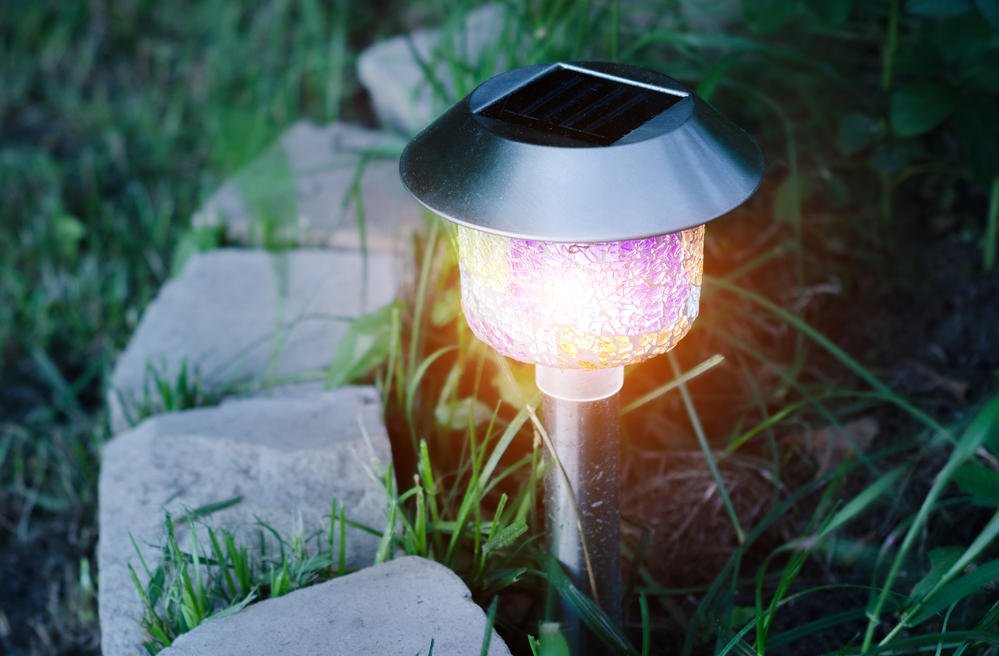
- Solar garden & landscape lights Solar light systems are the biggest market for 1.2 V Ni‑MH rechargeable batteries. The low‑cost, high‑cycle‑life performance fits perfectly for daily charge‑discharge cycles under solar panels.
- Consumer toys, remote controls, wireless mice Toys and low‑to‑medium‑drain household devices benefit from repeated recharge cycles, cutting long‑term operating costs for end‑users.
- Small portable electronics, cordless phones, digital cameras Many portable gadgets accept 1.2 V Ni‑MH cells as drop‑in replacements for disposable alkaline batteries.
- Low‑power industrial sensors and small‑scale backup modules For low‑current standby devices, 1.2 V Ni‑MH cells offer stable power and long service life for OEM projects.
Compatibility pitfalls: 1.2 V vs 1.5 V alkaline batteries
This is the most frequent mistake bulk buyers make when sourcing 1.2v rechargeable battery.
✅ Works well: Low‑to‑medium‑drain devices (solar lights, toys, remotes, wireless mice). Most devices will run normally with 1.2 V Ni‑MH cells.
⚠️ Risk of malfunction: High‑drain devices with strict minimum‑voltage requirements. For example, some trail cameras, high‑power flashlights, and IR‑LED equipment. When under heavy load, the 1.2 V nominal voltage can drop below the device’s operating threshold, triggering low‑battery alerts, incomplete operation or shutdown.
If your target device requires stable 1.5 V output under high‑current pulses, consider regulated 1.5 V lithium‑ion rechargeable cells instead of standard Ni‑MH 1.2 V batteries.
1.2‑volt rechargeable battery comparison table
| Battery Type | Nominal Voltage | Cycle Life | Self‑Discharge | Best‑Fit Applications | Compatibility Note |
|---|---|---|---|---|---|
| Standard Ni‑MH 1.2 V | 1.2 V | 500‑800 cycles | High (high self‑discharge) | Low‑drain toys, remotes | Not ideal for high‑current devices |
| Low‑Self‑Discharge (LSD) Ni‑MH 1.2 V | 1.2 V | 800‑1200 cycles | Low | Solar lights, long‑term standby equipment | Best‑selling for bulk sourcing |
| Regulated 1.5 V Li‑ion AA/AAA | 1.5 V | 500‑800 cycles | Low | High‑drain devices, trail cameras | Higher unit cost |
| Alkaline disposable | 1.5 V | 0 (single‑use) | Very low | Short‑term disposable use | Cannot be recharged |
Critical sourcing tips for bulk 1.2 volt rechargeable battery orders
- Verify self‑discharge performance Many suppliers advertise standard Ni‑MH cells, but old‑generation cells lose large amounts of charge during storage. For solar light and long‑standby projects, always select low‑self‑discharge LSD Ni‑MH 1.2 V rechargeable batteries.
- Test sample compatibility for your end‑product Do not rely solely on printed specs. Always run sample testing on your actual device. High‑drain equipment may show poor performance with 1.2 V Ni‑MH cells even if the product description states full compatibility.
- Watch out for exaggerated capacity claims Some manufacturers over‑state mAh ratings for AA/AAA 1.2 V Ni‑MH cells. Real usable capacity under load is more important than label numbers. Request discharge curve test reports before mass procurement.
- Safety certification for cross‑border shipments For global bulk orders, qualified 1.2 V rechargeable batteries need UN38.3 transport certification and MSDS documentation. For industrial‑grade projects, comply with IEC 62133 safety standards. For more battery‑safety knowledge, check resources from Battery University and official IEC standard documents.
Quick selection checklist
- Pick LSD low‑self‑discharge 1.2 V Ni‑MH: Solar garden lights, toys, remotes, long‑term standby low‑power devices.
- Avoid standard non‑LSD Ni‑MH for long‑term storage applications.
- Do not use standard 1.2 V Ni‑MH for high‑current devices such as trail cameras or high‑power flashlights. Choose regulated 1.5 V lithium‑ion cells for those scenarios.
- Always test samples on your end‑product before placing large‑volume orders.
Bulk purchasing of 1.2 volt rechargeable battery is not just about picking the right mAh value. Self‑discharge rate, discharge curve and device compatibility directly impact your product quality and after‑sales support.
If you need technical datasheets or custom‑specification support for 1.2 volt rechargeable battery projects, feel free to reach out for further technical consultation.