
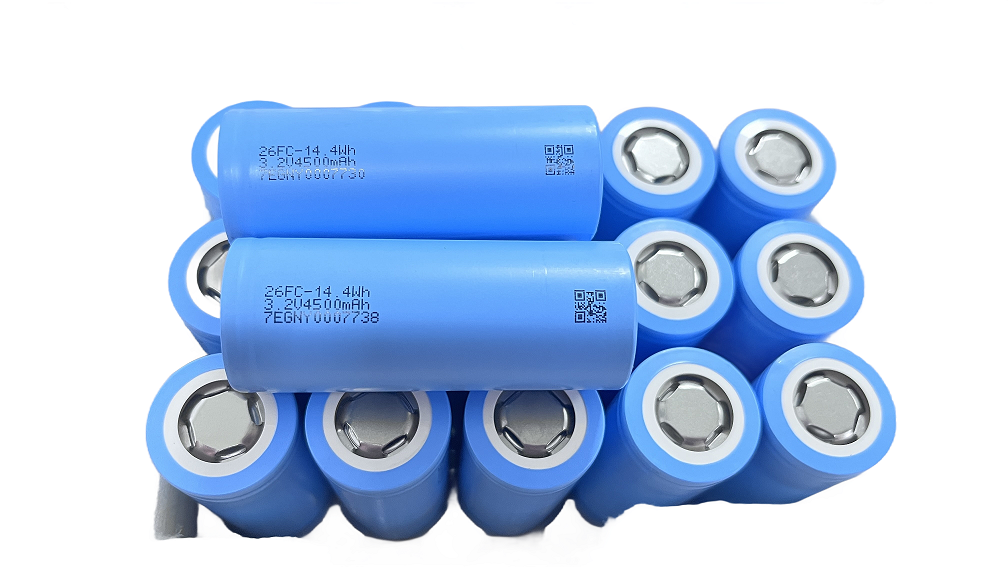
NCM vs LiFePO4 lithium‑ion batteries represent the two most popular lithium battery chemistries for commercial, industrial, and consumer energy projects in 2026. Understanding the core difference between NCM and LiFePO4 lithium‑ion batteries is essential for battery distributors, equipment manufacturers, and solar integrators to make accurate purchasing decisions. Although both are rechargeable lithium‑ion batteries, their safety levels, cycle lifespans, energy density, temperature adaptability, and long‑term costs vary greatly. Choosing the right battery chemistry directly affects project stability, product quality, and return on investment.
As lithium‑ion battery applications keep expanding in 2026, many bulk buyers get confused when selecting between NCM and LiFePO4 cells. Some prioritize high energy density for compact devices, while others value long cycle life and high safety for stationary storage. This article breaks down every core difference between NCM and LiFePO4 lithium‑ion batteries, including technical parameters, pros and cons, typical use cases, sourcing advice and common misunderstandings for global B2B buyers.
What Are NCM and LiFePO4 Lithium‑ion Batteries
NCM Lithium‑ion Battery
NCM stands for Nickel‑Cobalt‑Manganese. It is a ternary lithium‑ion battery that uses nickel‑cobalt‑manganese mixed oxide as cathode material. NCM cells are well known for high energy density. Nickel improves battery capacity, cobalt stabilizes internal chemical structure, and manganese enhances overall safety. Common industrial ratios including NCM 523, NCM 622, and NCM 811 deliver different balances of energy density and cycle durability.
The core advantage of NCM batteries is excellent low‑temperature discharge performance. NCM batteries maintain stable capacity in cold environments, making them widely used in passenger electric vehicles, compact portable power stations, and miniaturized consumer electronic devices that require stable output under low‑temperature conditions.
LiFePO4 Lithium‑ion Battery
LiFePO4 refers to Lithium Iron Phosphate battery. It adopts lithium iron phosphate as cathode material and contains no expensive cobalt materials. The internal crystal structure of LiFePO4 batteries is extremely stable and hardly decomposes under extreme conditions such as overcharging, short circuits, physical extrusion, or high temperature. This stable chemical structure enables LiFePO4 batteries to prioritize ultra‑long cycle life and high operational safety over extreme energy density.
The core advantage of LiFePO4 batteries is outstanding safety performance and long service life. Thanks to its stable chemical properties and minimal capacity attenuation, LiFePO4 has become the most reliable battery solution for stationary solar storage systems, RV power supplies, industrial backup power, and long‑term unattended equipment power supply scenarios.
NCM vs LiFePO4 Lithium‑ion Batteries: Core Technical Comparison
A clear parameter comparison helps B2B buyers quickly identify the essential gaps between NCM and LiFePO4 lithium‑ion batteries. All core technical indicators are listed in the table below for straightforward reference.
| Parameter | NCM Lithium‑ion Battery | LiFePO4 Lithium‑ion Battery |
|---|---|---|
| Cathode Material | Nickel‑Cobalt‑Manganese Oxide | Lithium Iron Phosphate (Cobalt‑free) |
| Energy Density | 180‑240 Wh/kg (High) | 120‑160 Wh/kg (Medium) |
| Cycle Life (@80% DOD) | 1500‑2500 cycles | 4000‑6000 cycles |
| Single Cell Voltage | 3.7V | 3.2V |
| Safety Performance | Risk of thermal runaway under abuse | Excellent thermal stability, minimal fire risk |
| Low‑temperature Performance | Stable capacity at ‑20°C | Obvious capacity drop below ‑10°C |
| Raw Material Cost | High and fluctuating (cobalt dependent) | Stable and cost‑effective |
| Recommended DOD | 70‑80% | 80‑90% |
| Service Life | 4‑7 years | 8‑15 years |
Combined with the table data, NCM batteries take the lead in energy density and low‑temperature performance, making them ideal for mobile and space‑limited devices. In contrast, LiFePO4 batteries deliver prominent advantages in cycle life, operational safety, and long‑term stability, which perfectly meet the demands of long‑cycle stationary energy storage projects.
Advantages and Disadvantages of NCM and LiFePO4 Batteries
NCM lithium‑ion batteries excel in compact and mobile application scenarios. The main strengths include higher energy density for smaller installation size, reliable low‑temperature performance, and mature industrial supply chains. However, NCM batteries contain cobalt and nickel, leading to unstable raw material costs and obvious price fluctuations. Their shorter cycle life and thermal runaway risks also increase maintenance and replacement costs for long‑term projects.
LiFePO4 lithium‑ion batteries are more suitable for commercial and industrial stationary energy storage. The core advantages include excellent operational safety, ultra‑long cycle life, and cobalt‑free cost stability. LiFePO4 batteries support deep discharge operation and require almost no daily maintenance, effectively lowering the total cost of ownership for energy storage projects. The main drawbacks are relatively lower energy density and weakened performance in extreme cold environments, requiring professional heating module configuration for cold‑region deployment.
Suitable Application Scenarios
NCM batteries are the preferred solution for scenarios that require high energy density and low‑temperature resistance. Typical applications include compact passenger electric vehicles, miniaturized portable power devices, precision consumer electronics, and equipment that operates stably all year round in cold climate regions. These scenarios prioritize volume control and low‑temperature stability rather than ultra‑long service life.
LiFePO4 batteries dominate scenarios that require long‑term stability, high safety, and low maintenance. The most common applications include solar and wind energy stationary storage systems, RV and marine power battery packs, industrial UPS backup power supplies, low‑speed vehicles, and long‑term unattended monitoring equipment. For most solar energy storage and industrial backup projects, LiFePO4 batteries provide more reliable long‑term returns.
Reference source: Battery University notes on lithium‑ion chemistry comparison and IEC 62619 safety standard requirements.
Common Misunderstandings for B2B Buyers
Many bulk buyers mistakenly believe that higher energy density represents better battery performance. In fact, stationary solar storage and industrial energy storage projects value cycle life and safety far more than compact size. Blindly choosing NCM batteries for long‑term energy storage will lead to frequent capacity attenuation and repeated replacement, increasing overall project costs. You can get further practical guidance for energy‑storage projects from our related article about LiFePO4 Battery for Solar Storage.
Another common misunderstanding is that LiFePO4 batteries cannot be used in cold areas. In practical engineering applications, LiFePO4 batteries can work normally with intelligent heating BMS modules, which effectively solves low‑temperature capacity attenuation. Only extremely cold scenarios without heating conditions need to prioritize NCM batteries.
It is also important to recognize that not all LiFePO4 batteries support 6000 cycles. Only high‑grade A‑grade LiFePO4 cells achieve ultra‑long cycle performance. Recycled and low‑grade cells often deliver less than 2000 cycles, so bulk buyers must verify third‑party test reports before purchasing.
Sourcing Tips for Bulk Purchasers in 2026
Battery buyers must clarify core project demands before selecting between NCM and LiFePO4 lithium‑ion batteries. Projects pursuing miniaturization and low‑temperature adaptability are suitable for NCM solutions, while long‑term energy storage projects should prioritize LiFePO4 safety and cycle advantages.
Qualified commercial batteries must pass IEC 62133, UN38.3, and CE certification to meet global transportation and safety standards. Buyers should pay special attention to BMS system matching, as NCM and LiFePO4 batteries require completely different charging parameter settings, and mixed configuration will cause charging failure and cell damage.
Professional procurement decisions focus on total cost of ownership rather than one‑time purchase price. Although LiFePO4 batteries have slightly higher upfront costs, their ultra‑long service life and zero‑maintenance characteristics effectively reduce long‑term operating and replacement costs for B2B projects.
FAQ
Which is safer between NCM and LiFePO4 lithium‑ion batteries? LiFePO4 batteries provide far superior safety performance. The stable phosphate structure avoids thermal runaway even under extreme abuse conditions, while NCM batteries still have fire risks under overcharge and physical damage.
Can NCM batteries be directly replaced with LiFePO4 batteries? Direct replacement is not feasible. The two battery chemistries have different single‑cell voltages and charging thresholds. Direct replacement without adjusting BMS and inverter parameters will lead to system failure and battery damage.
Which battery is more cost‑effective for bulk procurement? For long‑term stationary projects, LiFePO4 batteries deliver lower total cost of ownership due to stable material prices and ultra‑long service life. NCM batteries are only cost‑effective for short‑cycle mobile devices and cold‑region portable equipment.
Which battery is better for solar storage projects? LiFePO4 is the mainstream and most reliable choice for solar storage systems. Its long cycle life and high safety perfectly match the long‑term unattended operating characteristics of solar energy storage projects.
Final Conclusion
The difference between NCM and LiFePO4 lithium‑ion batteries lies in scenario adaptation rather than absolute quality gap. NCM batteries are more suitable for compact, cold‑climate, high‑density mobile scenarios, while LiFePO4 batteries are the optimal solution for stationary energy storage, long‑life operation, and high‑safety industrial projects.
For B2B battery distributors and project integrators, clarifying project operating environment, service life requirements, and long‑term budget goals is the key to selecting the most suitable lithium‑ion battery chemistry in 2026.