
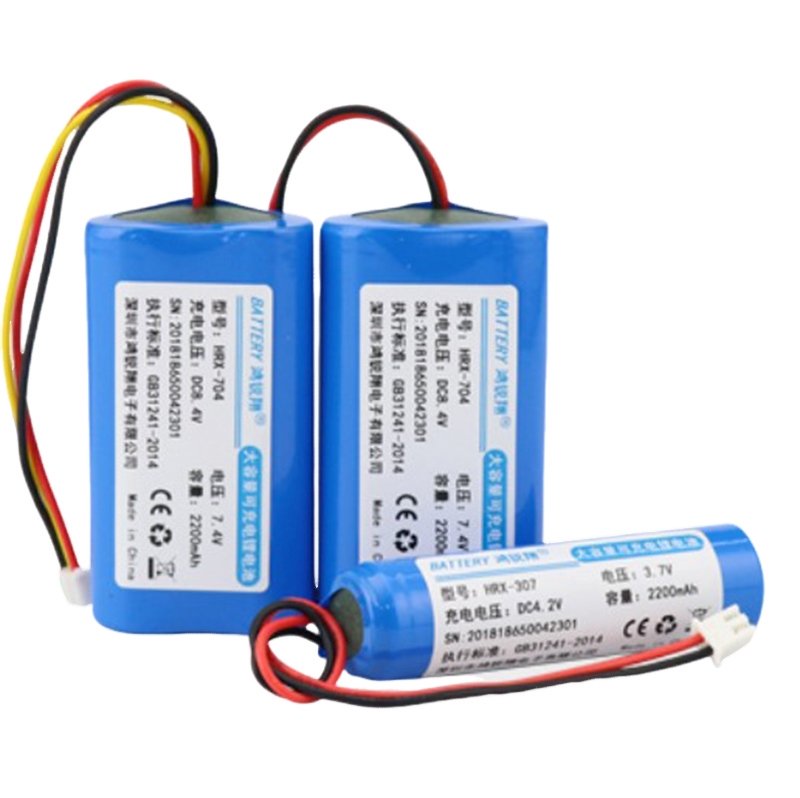
Custom lithium‑ion battery pack solutions are essential for original equipment manufacturers, project integrators and global distributors whose hardware cannot fit standard off‑the‑shelf battery sizes in 2026. Off‑the‑shelf battery packs work for general‑purpose devices, but specialized industrial equipment, medical hardware, IoT sensors and portable industrial tools often require fully customized voltage, capacity, dimension and communication functions. Poorly defined custom‑pack specifications lead to short cycle life, safety risks, delayed sampling cycles and extra redesign costs. This guide covers core design parameters, BMS configuration, certification requirements, OEM workflow and frequent sourcing mistakes to help you place reliable custom battery orders.
Many first‑time buyers underestimate how many variables affect custom battery pack performance. Even qualified grade‑A cells will deliver disappointing results if pack‑level design, thermal management or protection settings are not matched to real‑world working conditions. Below we break down every key step for your custom lithium‑ion battery pack project.
Core Design Parameters for Your Custom Lithium‑ion Battery Pack
Before sending inquiries to battery manufacturers, finalize these technical details. Vague specifications are the top cause of delayed samples and finished‑product failures for your custom lithium‑ion battery pack.
- Voltage & capacity: Nominal voltage, cut‑off charge / discharge voltage, target capacity, expected runtime under real load current.
- Physical constraints: Maximum allowable length, width, height, shell material requirements. Internal space limits directly decide cell series‑parallel configuration.
- Working current: Continuous discharge current, peak pulse current. BMS must be rated 20 % higher than maximum real‑world peak load.
- Operating temperature range: Confirm low‑temperature or high‑temperature working environment; ordinary cells cannot support extreme‑condition devices.
- Mechanical requirements: Vibration resistance, shock resistance for portable or field‑deployed equipment.
- Communication needs: Whether you need SMBus, CAN or RS485 for SOC reporting to host hardware. Most simple custom packs do not require communication boards.
BMS Selection for Custom Lithium‑ion Battery Pack
Battery Management System is the core safety component of every custom lithium‑ion battery pack, not an optional accessory. Even premium cells will degrade quickly without matched BMS protection.
Passive balancing BMS for custom lithium‑ion battery pack
- Lower unit cost, widely used for cost‑sensitive industrial and consumer custom packs.
- Balancing speed is relatively slow, suitable for low‑to‑medium cycle‑life projects.
- Basic protection: over‑charge, over‑discharge, over‑current, short‑circuit and temperature cut‑off.
Active balancing BMS for custom lithium‑ion battery pack
- Higher cost, faster cell balancing performance.
- Recommended for high‑value long‑life equipment, medical devices and high‑capacity battery packs.
- Effectively reduce cell inconsistency after long‑term cycles, extend whole‑pack service life.
Practical tip: For multi‑series custom packs above 4S, temperature sensors are strongly suggested to avoid thermal‑related safety hazards.
Cell Chemistry Selection for Custom Lithium‑ion Battery Pack Projects
Your end‑use application determines which cell chemistry to adopt for your custom lithium‑ion battery pack.
NCM / NCA Cells
- Advantages: High energy density, lighter weight.
- Best fit: Drones, portable handheld devices, compact portable equipment with strict weight limits.
- Limitation: Higher cost, relatively shorter cycle life compared with LiFePO4.
LiFePO4 Cells
- Advantages: Outstanding thermal safety, long cycle life, excellent stability for cyclic charging‑discharging.
- Best fit: Marine equipment, stationary energy storage, industrial field devices.
- Limitation: Lower energy density, larger physical size for same capacity.
Important note: Do not mix different cell chemistries or different cell brands inside one custom battery pack. Mixed cells bring severe imbalance risks.
Mandatory Certification for Export‑Ready Custom Lithium‑ion Battery Pack
If you plan to ship custom lithium‑ion battery pack internationally, prepare these documents before mass production.
- UN38.3: Mandatory transport safety test for air and sea freight. Without valid UN38.3 test summary, most freight forwarders reject lithium‑ion shipments.
- IEC 62619: Safety standard for lithium‑ion cells used within industrial battery packs.IEC 62619
- MSDS: Material safety data sheet, required for customs clearance and dangerous‑goods logistics.
- Market‑target certificates: CE, UKCA or other regional compliance documents according to your sales territory.
Buying finished custom packs does not automatically inherit all certificates. Always ask suppliers to provide corresponding test reports for your exact pack assembly, not only raw cell reports. Reference technical knowledge from Battery University.
OEM Workflow to Build a Custom Lithium‑ion Battery Pack (2026 Standard Timeline)
- Submit complete technical specification sheet for quotation. Unclear parameters will lead to inaccurate pricing.
- Sample confirmation stage: Factory produces prototype samples; buyers complete real‑load testing, runtime testing and temperature validation.
- Prototype revision: Adjust dimension, BMS parameters or cell configuration if samples fail application tests.
- Pilot small‑batch production to verify manufacturing consistency.
- Formal mass production.
Typical lead‑time reference: Prototype samples 2‑4 weeks; pilot batch 3‑6 weeks, mass production subject to order volume and component supply status.
Costly Mistakes When Sourcing Custom Lithium‑ion Battery Pack
- Only focus on cell brand and ignore BMS quality. High‑grade cells paired with low‑quality BMS still cause premature failure and safety risks.
- Ignore real‑world peak current; only reference average working current for BMS selection.
- Skip sample testing and jump directly to mass order, which creates expensive rework.
- Expect old‑generation standard cells to fit custom‑size shell; custom dimension usually requires dedicated cell layout.
- Assume raw‑cell certification covers finished custom‑pack compliance. Pack assembly changes test conditions.
Frequently Asked Questions for Custom Lithium‑ion Battery Pack
Q: What is the minimum order quantity for custom lithium‑ion battery pack? A: MOQ varies greatly among manufacturers. Some factories accept small‑batch prototype orders, while mass‑production OEM requires thousands of units. Clearly communicate your sample quantity and forecast annual volume in your RFQ.
Q: Can I modify BMS parameters after samples are finished? A: Minor parameter tuning is feasible. Large‑scale changes such as switching balancing type or adding communication modules usually require new prototype iteration.
Q: How long will custom battery pack samples take? A: For non‑special‑shaped packs, prototype samples normally take 14‑28 working days. Special‑shaped enclosures will extend lead‑time.
Closing
A well‑engineered custom lithium‑ion battery pack balances dimension constraints, cell chemistry, BMS performance, compliance certification and budget. Sourcing success relies on complete specification definition, rigorous sample validation and verified supplier compliance. Avoid rushing into mass‑production before prototype performance matches your real‑world operating scenarios.