
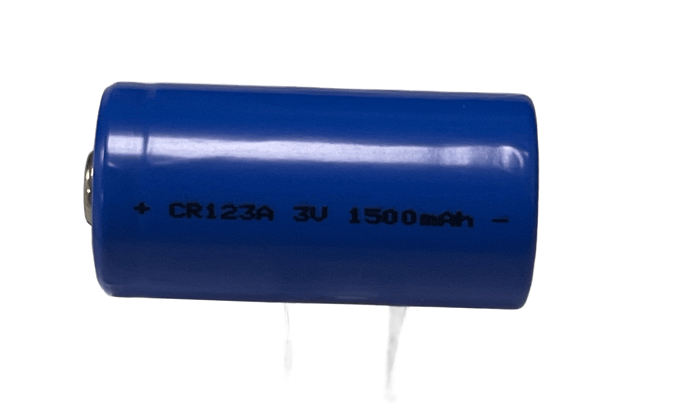
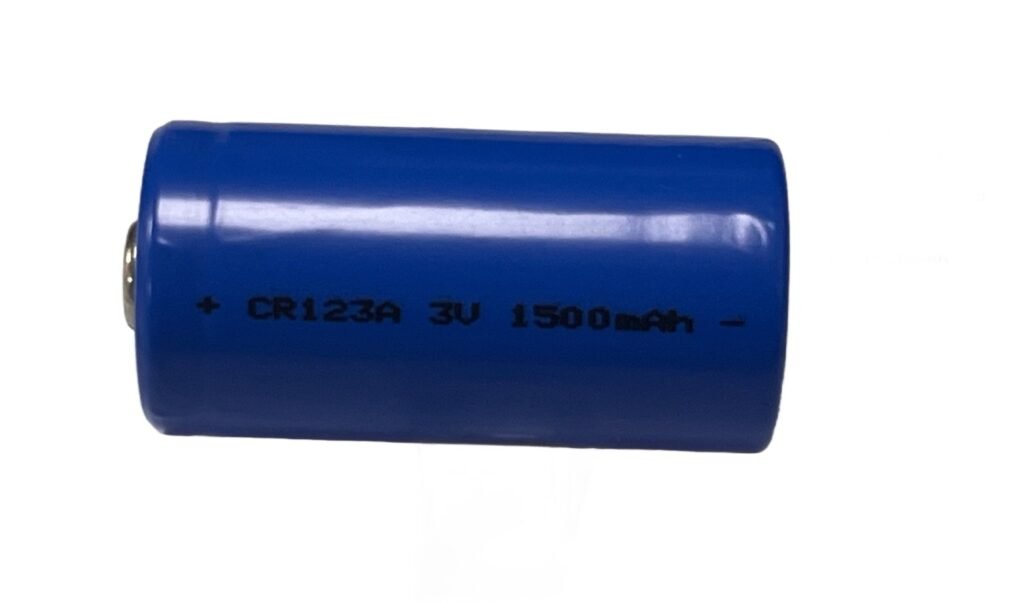
CR123A Lithium Battery Remains a Reliable Power Solution in 2026
The CR123A lithium battery continues to play an important role in applications that require dependable power, long shelf life, and strong performance under demanding conditions. While rechargeable lithium-ion batteries dominate many consumer and industrial markets, the CR123A format remains a trusted choice for security systems, medical devices, professional flashlights, and emergency equipment.
Its compact size, stable voltage output, and long storage capability make it especially suitable for devices that must operate reliably over extended periods without frequent battery replacement.
Why the CR123A Lithium Battery Remains Popular
The CR123A lithium battery offers several advantages that have helped maintain its position in the market for many years.
Key benefits include:
- High energy density
- Stable 3V output
- Long shelf life
- Excellent low-temperature performance
- Lightweight and compact design
- Reliable operation in critical applications
These characteristics make it a preferred power source for professional and safety-related equipment.
Stable Demand Across Security and Industrial Markets
Unlike rapidly changing rechargeable battery segments, the CR123A battery market remains relatively stable. Demand is supported by applications that prioritize reliability and long-term performance over rechargeability.
Major application sectors include:
Security and Surveillance Systems
Many cameras, motion sensors, and alarm systems rely on CR123A batteries for dependable backup power and long operating life.
Professional Flashlights
High-performance flashlights commonly use CR123A batteries because they can deliver strong power output while maintaining compact dimensions.
Medical Equipment
Portable medical devices often require stable and reliable power sources, making this battery format a practical solution.
Outdoor and Tactical Equipment
Military, law enforcement, and outdoor users continue to value the battery’s durability and performance in harsh environments.
Technology Improvements Focus on Reliability
Although the basic chemistry remains mature, manufacturers continue to improve the performance of the 3V lithium battery category.
Recent developments include:
- Enhanced safety protection
- Improved leakage resistance
- Better low-temperature performance
- Extended storage life
- Higher production consistency
Some manufacturers also offer rechargeable alternatives such as RCR123A batteries, but traditional primary lithium versions remain the preferred option for mission-critical applications.
Long Shelf Life Supports Emergency Applications
One of the biggest advantages of the CR123A lithium battery is its ability to remain functional after years of storage.
This feature makes it ideal for:
- Emergency preparedness kits
- Smoke detectors
- Backup security devices
- Medical emergency equipment
- Disaster response systems
For users who require a battery that is ready when needed, long-term storage performance remains a major selling point.
Future Outlook for the CR123A Lithium Battery Market
Looking ahead, the CR123A lithium battery is expected to maintain steady demand despite growing competition from rechargeable alternatives.
Future market growth will likely be supported by:
- Expanding smart security systems
- Increased use of IoT monitoring devices
- Growth in outdoor and tactical equipment
- Continued demand for emergency backup power
- Improvements in battery safety and sustainability
While rechargeable technologies continue to advance, the unique advantages of primary lithium batteries ensure that CR123A products will remain relevant in specialized applications.
FAQ About CR123A Lithium Battery
What is a CR123A lithium battery?
A CR123A lithium battery is a non-rechargeable 3V lithium battery commonly used in security devices, flashlights, medical equipment, and outdoor electronics.
How long can a CR123A battery be stored?
Many CR123A batteries can maintain performance for up to 10 years when stored under proper conditions.
What devices commonly use CR123A batteries?
Common applications include surveillance cameras, smoke detectors, tactical flashlights, alarm systems, and portable medical devices.
Is a CR123A battery rechargeable?
Standard CR123A batteries are primary lithium batteries and are not rechargeable. Rechargeable alternatives are typically sold as RCR123A batteries.
Why is the CR123A lithium battery still widely used?
Its long shelf life, reliable performance, compact size, and ability to operate in demanding environments make it a trusted choice for critical applications.
Conclusion
The CR123A lithium battery continues to deliver reliable performance in applications where long shelf life, low maintenance, and dependable power are essential. Although rechargeable technologies are expanding, this battery format remains a trusted solution for security systems, medical devices, outdoor equipment, and emergency power applications.
For projects requiring dependable primary lithium battery solutions, CR123A batteries continue to offer an effective balance of reliability, safety, and long-term performance.
Further Reading
For additional information about battery safety, transportation, and industry standards, you may refer to: