
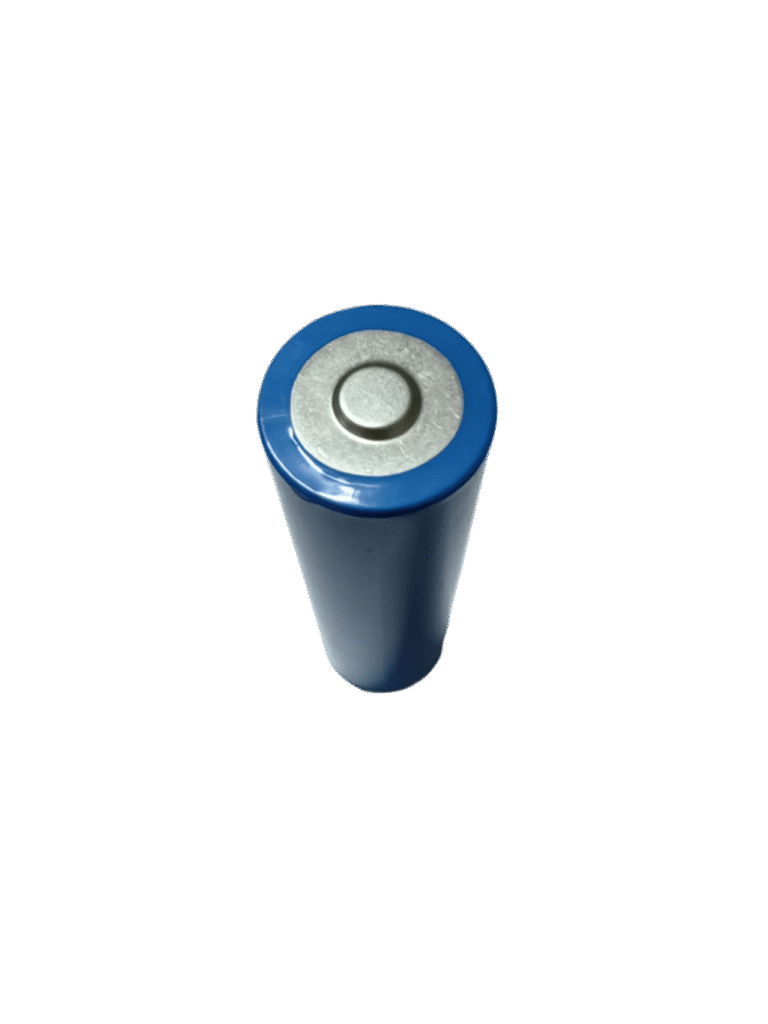
18650 Cylindrical Lithium Battery Market Overview and Key Trends
The 18650 cylindrical lithium battery remains one of the most widely used formats in modern energy storage systems. Despite the rise of larger cylindrical cells and pouch batteries, this classic format continues to play a stable and important role in consumer electronics, power tools, drones, and portable energy storage applications.
Its long-term success comes from a combination of mature manufacturing processes, reliable performance, and strong global supply chain support.
Stable Demand Across Multiple Industries
The demand for 18650 cylindrical lithium battery products remains steady across several key sectors. Manufacturers continue to rely on this format due to its predictable performance and compatibility with existing system designs.
Typical application areas include:
- Consumer electronics
- Power tools and industrial equipment
- Drone and UAV systems
- Medical devices
- Portable energy storage systems
Because of its standardized size and stable chemistry, it remains a preferred option for many long-life applications.
Continuous Technology Improvements
Although it is a mature format, the 18650 cylindrical lithium battery continues to evolve through technological upgrades.
Recent improvements include:
- Reduced internal resistance designs
- Enhanced thermal management systems
- Higher energy density materials
- Faster charging capability
- Silicon-based anode development
- Tabless electrode structures
These improvements allow the format to remain competitive even against newer battery technologies.
Cost Efficiency and Supply Chain Stability
One of the key advantages of the 18650 cylindrical lithium battery is its cost efficiency. Large-scale production and highly automated manufacturing lines help reduce overall production costs while maintaining consistent quality.
At the same time, global supply chains remain well-established, ensuring stable availability for both small and large-scale projects.
Expanding Use in Energy Storage Systems
The 18650 cylindrical lithium battery is widely used in modular battery pack systems where flexibility and scalability are important.
Common use cases include:
- Portable energy storage stations
- Backup power systems
- Industrial battery packs
- UAV battery modules
Its standardized format makes it easy to integrate into multi-cell configurations for different voltage and capacity requirements.
Sustainability and Recycling Development
Sustainability is becoming an increasingly important focus in the battery industry. Recycling technologies for cylindrical lithium battery cells are improving, helping to reduce environmental impact and recover valuable materials.
Key developments include:
- Improved battery recycling efficiency
- Reduced material waste
- Longer lifecycle management systems
- Cleaner production processes
These improvements support long-term industry sustainability and regulatory compliance.
Future Outlook of 18650 Cylindrical Lithium Battery
The future of the 18650 cylindrical lithium battery remains stable despite new battery formats entering the market.
Instead of being replaced, it is expected to:
- Continue serving cost-sensitive applications
- Remain strong in industrial and portable systems
- Evolve with improved materials and safety systems
- Maintain its position in modular battery design
Its mature ecosystem ensures it will remain relevant in the global battery market for years to come.
FAQ About 18650 Cylindrical Lithium Battery
What is a 18650 cylindrical lithium battery used for?
It is widely used in power tools, drones, medical devices, consumer electronics, and energy storage systems.
Why is the 18650 cylindrical lithium battery still popular?
Because it offers a balance of cost efficiency, reliability, and mature production technology.
Can 18650 cylindrical lithium battery packs be customized?
Yes, capacity, voltage, and configuration can be customized for different industrial applications.
How does it compare with newer battery formats?
While newer cells offer higher capacity, the 18650 format remains cost-effective and highly standardized.
Is it suitable for energy storage systems?
Yes, it is widely used in modular energy storage and backup power solutions.