
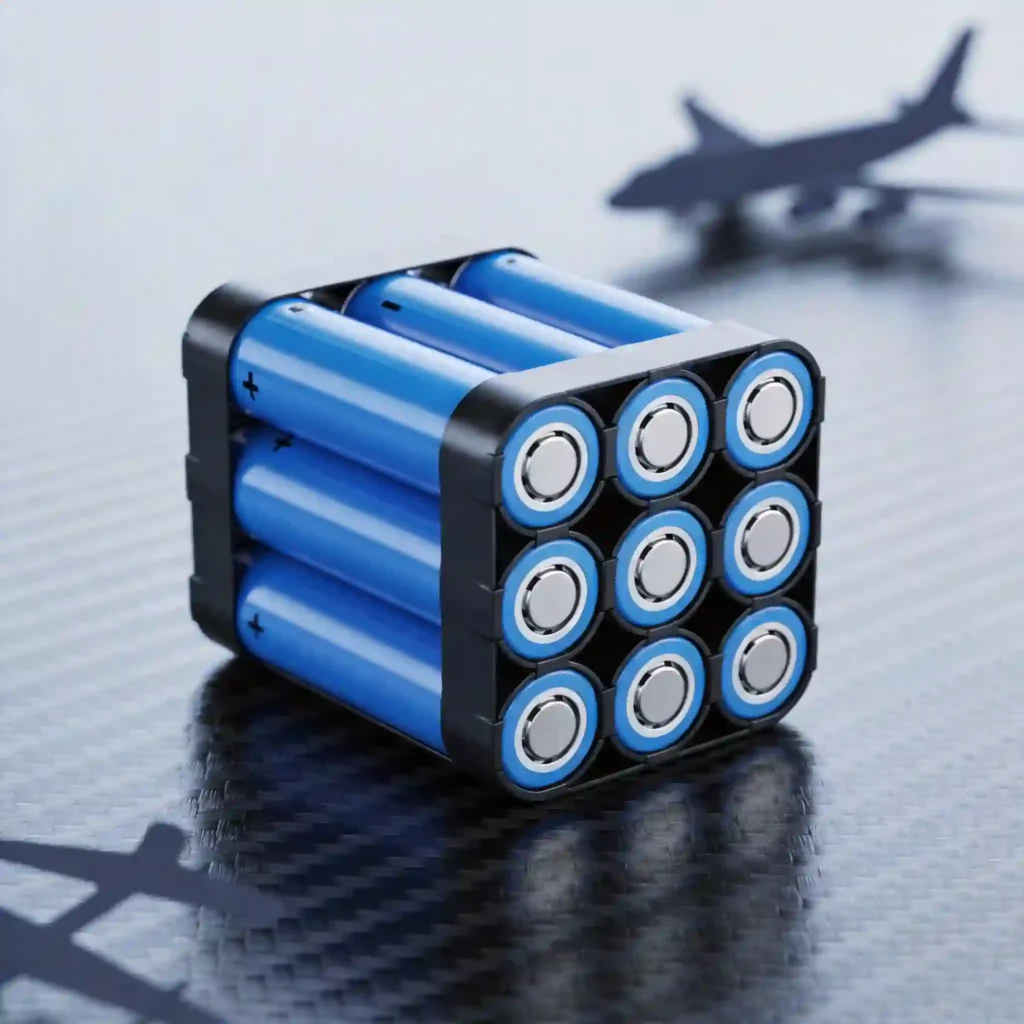
Lithium Ion Batteries in Aerospace Applications have become a critical power source for modern space systems. From satellites in low Earth orbit to deep-space exploration missions, lithium-ion technology provides the energy reliability required in extreme environments where failure is not an option. Compared with traditional battery systems, lithium-ion solutions offer higher energy density, lighter weight, and longer operational life—making them the preferred choice for aerospace engineers.
As space technology continues to evolve, the demand for safer, lighter, and more efficient energy storage systems is increasing rapidly across global aerospace programs.
Why Lithium Ion Batteries Are Essential for Aerospace
One of the main reasons Lithium Ion Batteries in Aerospace Applications are widely adopted is their exceptional energy-to-weight ratio. In aerospace systems, every gram matters. Reducing battery weight directly improves launch efficiency and mission range.
In addition, lithium-ion systems provide stable voltage output, which is essential for sensitive onboard instruments such as navigation systems, communication modules, and scientific sensors. Their ability to maintain consistent performance under variable load conditions makes them highly reliable in space environments.
Performance in Extreme Space Conditions
Aerospace environments expose batteries to extreme temperature fluctuations, radiation, and vacuum conditions. Lithium Ion Batteries in Aerospace Applications are engineered with advanced thermal management systems and protective battery structures to maintain stability under these harsh conditions.
High-quality aerospace battery packs often include multiple safety layers such as battery management systems (BMS), insulation materials, and pressure-resistant casings. These design features help reduce risk and ensure long-term operational stability in orbit or deep-space missions.
Key Advantages in Aerospace Systems
The advantages of lithium-ion technology make it highly suitable for aerospace use:
- High Energy Density – Supports long mission durations
- Lightweight Design – Reduces launch costs
- Long Cycle Life – Supports extended space operations
- Stable Voltage Output – Ensures reliable system performance
- Low Self-Discharge Rate – Ideal for long standby missions
- Advanced Safety Systems – Supports critical aerospace reliability
These benefits make lithium-ion systems the backbone of modern aerospace energy storage solutions.
Applications in Aerospace and Space Technology
Lithium Ion Batteries in Aerospace Applications are widely used across multiple mission-critical systems, including:
- Satellites and orbital communication systems
- Spacecraft power modules
- Space exploration rovers
- High-altitude drones and UAV systems
- Aerospace backup power systems
Their flexibility and scalability allow engineers to design customized energy systems for different mission requirements.
Technology Trends in Aerospace Batteries
Recent advancements in lithium battery technology are further improving aerospace performance. New cell chemistries, improved electrode materials, and optimized structural designs are enhancing energy density while reducing degradation over time.
At the same time, aerospace-grade battery systems are increasingly focusing on safety certifications, including international standards such as CE and UL, to ensure compliance with global aviation and space industry requirements.
Future Outlook for Aerospace Energy Storage
The future of Lithium Ion Batteries in Aerospace Applications is closely tied to the expansion of space exploration and satellite networks. As missions become longer and more complex, demand for high-performance energy systems will continue to grow.
Next-generation battery systems are expected to deliver even higher energy density, improved radiation resistance, and smarter thermal control systems. These advancements will support deep-space exploration, lunar missions, and next-generation satellite constellations.
FAQ About Lithium Ion Batteries in Aerospace Applications
Q1: Why are lithium-ion batteries used in aerospace systems?
Because they provide high energy density, lightweight design, and stable performance in extreme environments.
Q2: Can aerospace lithium batteries handle extreme temperatures?
Yes, they are designed with thermal management systems to operate in harsh space conditions.
Q3: Are these batteries safe for space missions?
Yes, they include advanced BMS protection and are designed to meet strict aerospace safety requirements.
Q4: Where are lithium-ion aerospace batteries commonly used?
They are used in satellites, spacecraft, UAVs, and space exploration systems.
Q5: What is the future trend in aerospace battery technology?
Future systems will focus on higher energy density, improved safety, and longer operational life.