
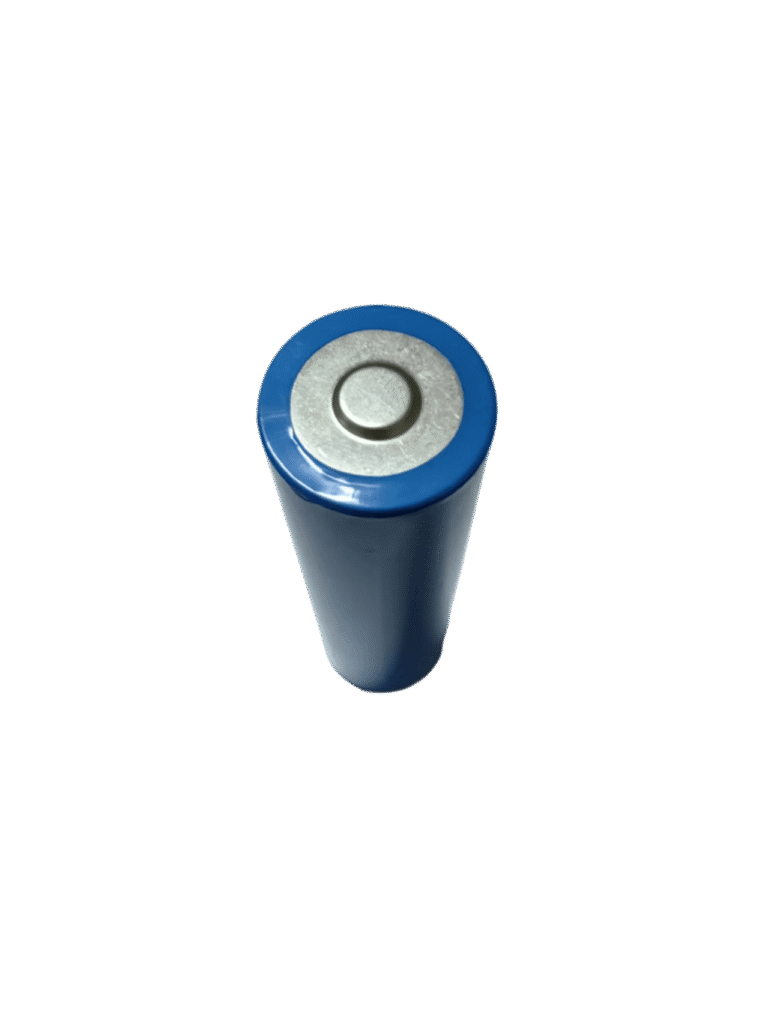
The Cylindrical Battery market is experiencing strong growth as demand from consumer electronics, power tools, and energy storage systems continues to rise. Recent industry data shows significant increases in both shipment volume and revenue, reflecting the accelerating adoption of high-performance cells. At the same time, electrolyte additives are becoming a key growth driver across the battery supply chain, improving efficiency, safety, and energy density.
One of the main reasons behind the rapid expansion of the market is its stable structure and scalable manufacturing process. Standardized dimensions allow large-scale production with consistent quality, making it suitable for mass-market applications. As energy demand increases, manufacturers are also upgrading designs to support higher discharge rates and improved thermal performance.
Cylindrical Battery Technology and Performance Trends
The Cylindrical Battery continues to evolve with improvements in internal structure and electrode design. Multi-tab technology is becoming more widely adopted, helping reduce internal resistance and enhance high-power output. This makes cells ideal for applications that require stable performance under continuous load.
In addition, the Cylindrical Battery benefits from strong mechanical stability compared to other formats. Its rigid structure provides better resistance to swelling and physical stress, which is critical in demanding environments such as electric tools and portable energy systems.
Electrolyte Additives Supporting Cylindrical Battery Growth
The rapid rise of electrolyte additives is directly supporting the development of the market. These additives improve ionic conductivity, extend cycle life, and enhance thermal stability. As a result, batteries can perform more efficiently under high-load conditions.
With the expansion of electric vehicles and energy storage applications, the combination of advanced electrolyte chemistry and Cylindrical Battery technology is becoming increasingly important for next-generation energy solutions.
Industry Integration and Market Expansion
The market is also benefiting from deeper integration across consumer electronics and power battery sectors. Collaboration between different industries is accelerating innovation in energy density, charging efficiency, and safety systems.
At the same time, growing demand for longer-lasting and higher-performance batteries is pushing manufacturers to invest in production upgrades and material improvements. This trend is expected to continue as global energy consumption increases.
The market is expected to maintain steady growth in the coming years, driven by expanding applications and continuous technological improvements. Electrolyte additives, multi-tab designs, and enhanced thermal control systems will play a key role in shaping future performance standards.
The Cylindrical Battery market is expected to maintain steady growth in the coming years, driven by expanding applications and continuous technological improvements. Electrolyte additives, multi-tab designs, and enhanced thermal control systems will play a key role in shaping future performance standards.
As industries continue to demand more reliable and efficient energy solutions, the Cylindrical Battery will remain a core format in both consumer and industrial applications.
As industries continue to demand more reliable and efficient energy solutions, the Cylindrical Battery will remain a core format in both consumer and industrial applications.
Q1: What is a Cylindrical Battery used for?
A Cylindrical Battery is widely used in power tools, consumer electronics, and energy storage systems due to its stable structure and scalable production.
Q2: Why is the market growing?
Growth is driven by rising demand for high-performance energy storage and mass production advantages.
Q3: What are the multi-tab improvements?
They reduce internal resistance and improve discharge efficiency, making the battery more powerful and stable.
Q4: How do electrolyte additives affect performance?
They enhance cycle life, safety, and thermal stability, improving overall battery efficiency.
Q5: What is the future of technology?
Future development focuses on higher energy density, improved safety, and better integration with advanced battery systems.