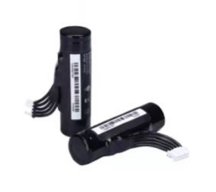
The global lithium battery market has seen remarkable growth in recent years, driven by rising demand in consumer electronics, electric vehicles, and energy storage solutions. B2B buyers and distributors are increasingly exploring opportunities to integrate lithium battery solutions into their product lines. With technology advancements, manufacturers now offer batteries with higher energy density, longer lifecycle, and enhanced safety features, making them more reliable for commercial applications. Companies that stay ahead of lithium battery trends can ensure a competitive advantage and better meet evolving market needs.
Portable devices, smart lighting, and home decor applications have fueled the need for lightweight and durable lithium batteries. Modern manufacturing techniques allow for precise battery chemistries and form factors, including cylindrical, prismatic, and pouch designs. Certifications such as CE and UL give buyers confidence in product safety and compliance. For distributors, understanding lithium battery trends means selecting suppliers with consistent quality, flexible MOQ, reliable delivery schedules, and efficient packaging solutions.
Key Lithium Battery Market Trends
- Energy Density Improvement: Higher energy density allows lithium batteries to store more power without increasing size, a crucial factor for lighting, portable electronics, and smart home devices. B2B clients can offer enhanced products without redesigning housings or components.
- Extended Lifecycle and Reliability: Businesses increasingly prefer lithium batteries that provide stable performance over hundreds of charge cycles. This reduces replacement costs and strengthens end-user satisfaction.
- Diversification Across Applications: Beyond electronics, lithium batteries are expanding into electric mobility, solar energy storage, and industrial automation. Staying informed on these lithium battery applications helps distributors identify new revenue streams.
- Sustainability and Safety: Recycling programs, low self-discharge rates, and improved thermal stability are now expected by B2B buyers. Suppliers that emphasize safe, eco-friendly lithium battery production gain stronger trust in international markets.
FAQ About Lithium Battery
Q1: What materials are used in lithium batteries?
A: Modern lithium batteries use lithium cobalt oxide, lithium iron phosphate, or nickel manganese cobalt (NMC) chemistries. Pouch, cylindrical, and prismatic designs provide options for different applications.
Q2: How reliable is lithium battery performance?
A: High-quality lithium batteries maintain capacity over hundreds of cycles, with CE/UL certification ensuring safety in normal operating conditions.
Q3: Which industries use lithium batteries the most?
A: Consumer electronics, home decor, smart lighting, energy storage, and electric vehicles are key markets for lithium batteries.
Q4: Are there safety concerns?
A: Safety risks include overcharging, overheating, and puncturing. Certified batteries and proper handling mitigate most risks.
In conclusion, the lithium battery market is poised for continued growth, offering abundant opportunities for B2B buyers and distributors. Staying updated on trends and sourcing reliable, certified batteries ensures long-term success.