
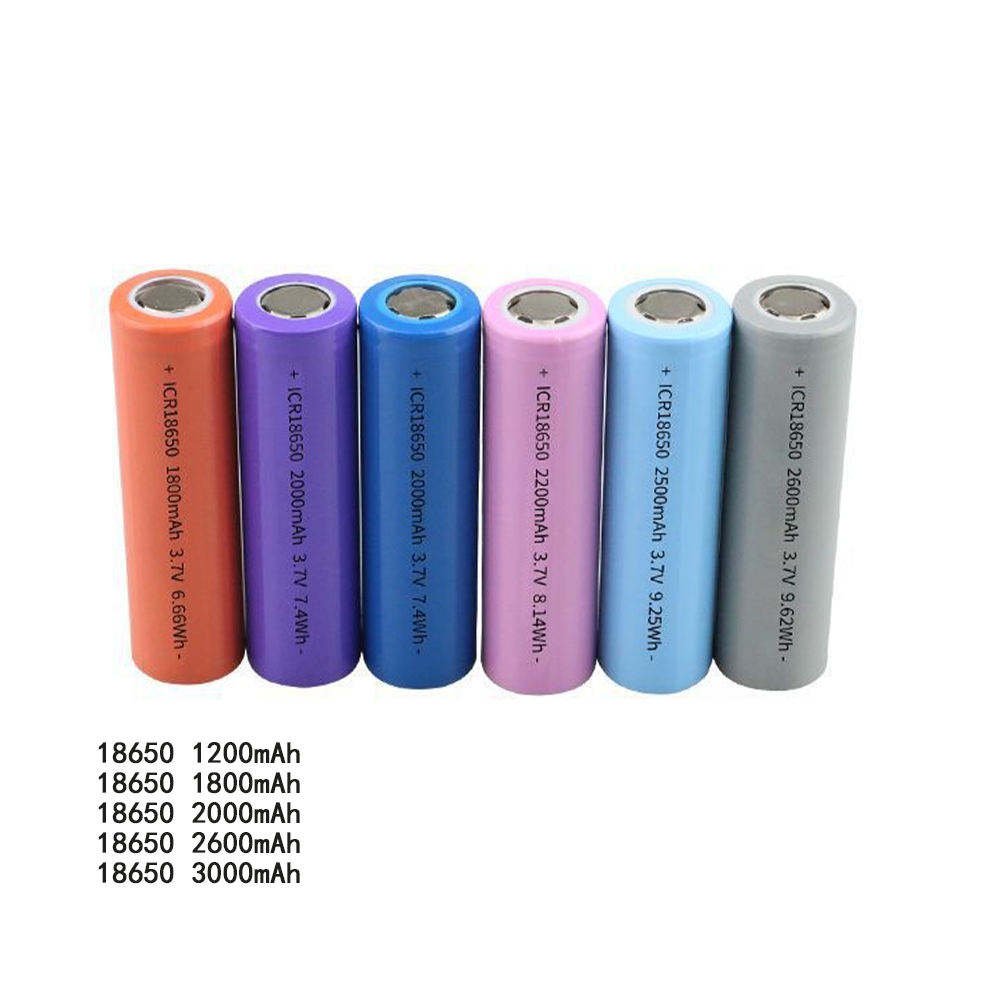
18650 battery capacities and models are critical reference points for OEM hardware designers, equipment integrators and component buyers. Different 18650 cell grades deliver very different performance, even when physical dimensions stay identical. Many project teams only compare printed capacity values while overlooking discharge rating, cell consistency and cycle‑life performance. This guide breaks down top‑selling 18650 capacities, well‑known OEM part numbers, power‑type versus energy‑type trade‑offs, and practical selection guidance for industrial applications.
All standard 18650 cells share identical physical dimensions: 18 mm diameter × 65 mm height, nominal 3.7 V. Capacity numbers alone cannot define real‑world cell performance. The critical split exists between power‑type (high discharge current) and energy‑type (high runtime, lower current). Higher mAh rating does not equal better discharge capability.
18650 battery capacities and models: Core Comparison
| Nominal Capacity | Famous OEM Model | Type | Typical Continuous Discharge | Relative Cost | Typical Cycles | Main Industrial Applications |
|---|---|---|---|---|---|---|
| 2500‑2600mAh | Samsung 25R, Molicel P26A, Murata VTC5A | Power‑type | 20‑25A | Mid | 450‑700 | Power tools, legacy equipment replacement, flashlight packs, general‑purpose portable hardware |
| 2800mAh | Molicel P28A | Power‑type | 25‑35A | Mid‑high | 400‑650 | High‑drain power tools, FPV devices, high‑current portable assemblies |
| 3000mAh | Samsung 30Q, LG HG2, Murata VTC6 | Balanced power‑energy | 15‑20A | Mid | 450‑700 | Most widely used general‑purpose grade, power banks, inspection instruments, robot packs |
| 3350mAh | Panasonic NCR18650GA | Energy‑type | 6‑10A | Mid‑high | 400‑600 | Low‑drain industrial handheld devices, long‑standby sensor hardware |
| 3500mAh | Samsung 35E, LG MJ1 | Energy‑type | 8‑10A | High | 400‑550 | Max real‑world capacity for mass‑produced 18650, outdoor lighting, stationary backup modules |
Common Capacity‑Label Misconceptions for 18650 Cells
Many buyers encounter confusing capacity labels when sourcing 18650 lithium‑ion cells. Printed capacity numbers on datasheets and product listings often create misunderstanding between engineering teams and procurement departments.
First, many legacy device BOMs are still specified for 2600‑class 18650 cells. Designers built older hardware around this capacity grade, so replacement orders keep appearing for spare‑part manufacturing and maintenance projects.
Second, many manufacturers offer cost‑effective 2600‑grade cells as a practical drop‑in replacement for traditional 2500mAh power‑type cells. It delivers comparable runtime at competitive wholesale pricing, so component integrators frequently select this specification.
Third, nominal capacity marking can create confusion. Engineers may reference 2500mAh high‑drain cells, while procurement teams interpret datasheet rounding values as 2600mAh when creating purchasing documents.
When evaluating cells marked 2600mAh, always verify continuous discharge current requirements. Low‑cost general‑purpose cells without power‑grade ratings cannot sustain heavy‑load equipment, even if their printed capacity value matches project requirements. You can read format comparison in our article about 18650 vs 21700 battery.
Power‑type 18650 cells: 2500‑2800mAh for high‑load projects
Power‑type cells sacrifice partial total capacity for high continuous discharge performance.
2500‑2600mAh grade represented by Samsung 25R remains a workhorse for power‑tool‑related assemblies. It runs stable under sustained high current, supported by mature global supply channels.
2800mAh Molicel P28A has gained growing industry adoption. It balances decent capacity and extreme high‑drain capability, widely adopted for high‑performance portable equipment and FPV‑related battery packs.
For projects building multi‑cell high‑current packs, check our resource for custom lithium‑ion battery pack development guidance.
Balanced & Energy‑type 18650 cells: 3000mAh ~3500mAh
3000mAh is the most universal selling capacity across global markets. Models such as Samsung 30Q and LG HG2 deliver balanced discharge performance and acceptable runtime. It works for most general‑purpose industrial hardware when you do not need extreme high current or maximum energy density.
3350mAh and 3500mAh are pure energy‑oriented cells. Samsung 35E and LG MJ1 offer the longest runtime of mass‑produced standard 18650 format. However their continuous discharge current is limited. Never deploy energy‑type cells for power‑tool‑level heavy load; heavy working current will trigger severe voltage sag and overheating risk. These capacities fit outdoor lighting, remote industrial sensors and low‑drain backup power units.
Critical Sourcing Pitfalls for 18650 capacities and models
Many component specifications only fill in mAh value without clarifying power‑type or energy‑type requirements. Two cells with identical printed capacity label can behave completely different under real‑world working load.
Watch out for fake exaggerated capacity claims. Genuine mass‑produced 18650 NCM cells top out around 3500‑3600mAh. Any label marking 4000mAh, 5000mAh or higher is counterfeit mis‑labeled stock.
Always verify compliance documents for bulk purchase. All 18650 lithium‑ion cells need UN38.3 transportation certification. For industrial deployment, refer to IEC 62133 safety assessment standards. Review safety research resources from Battery University and official IEC standard documents. You can compare different lithium‑ion chemistries in our guide for li‑ion vs li‑polymer battery.
Quick Decision Checklist for Project Specification
- Pick 2500‑2600mAh power‑type: Legacy replacement, power‑tool‑level high‑current demand, cost‑sensitive hardware projects.
- Pick 2800mAh high‑drain: Need both decent capacity and extreme continuous discharge performance.
- Pick 3000mAh balanced grade: General‑purpose industrial projects, balance runtime and discharge capability.
- Pick 3350 / 3500mAh energy‑type: Max runtime required, device runs under low‑drain operating conditions.
Capacity number alone cannot decide cell suitability. Always cross‑check continuous discharge rate, cell model reference, internal resistance, cycle life and certification while creating project BOM or component specification.
If you are evaluating 18650 cell technical parameters or custom battery assembly projects, request datasheet support and technical consultation.