
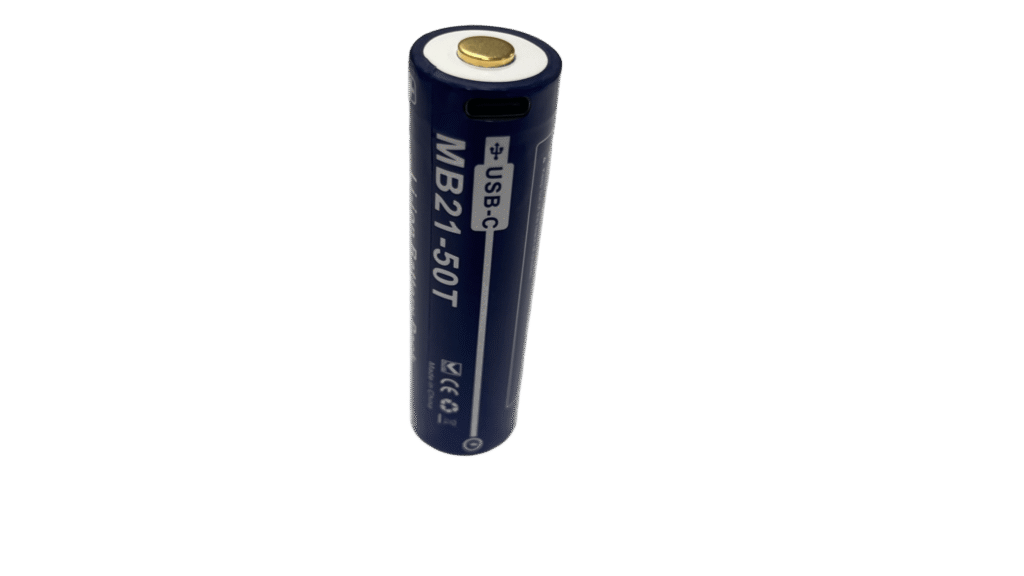
Overview of Modern Batteries
Modern batteries are essential in our daily lives, powering devices from smartphones to electric vehicles. Modern batteries convert chemical energy into electrical energy through electrochemical reactions. Over the years, battery technology has diversified, offering solutions for various applications—large-scale power storage to millimeter-sized devices.
Primary Chemical Batteries
Chemical batteries use reactions between electrodes and active materials to generate electricity. Advances in chemical battery technology have revolutionized electronics, enabling longer-lasting and more reliable devices. Today, researchers focus on chemical batteries for electric vehicle propulsion, an area driving innovation in energy storage.
Dry and Wet Batteries
Dry batteries use a paste-like electrolyte and are compact, commonly found in portable electronics. Wet batteries, containing liquid electrolytes, are typically larger, such as lead-acid batteries used for solar energy storage or uninterruptible power supplies. Sealed lead-acid batteries with immobilized electrolytes provide long-term, maintenance-free service.
Primary vs. Rechargeable Batteries
Primary batteries are single-use and cannot be recharged. Examples include alkaline, zinc-carbon, lithium, silver-zinc, zinc-air, and magnesium-manganese batteries. Rechargeable batteries, such as lead-acid, nickel-cadmium (Ni-Cd), nickel-metal hydride (Ni-MH), and lithium-ion batteries, offer long cycle life and higher load capacities. Lithium-ion batteries have become the industry standard due to high energy density and efficiency.
Fuel Cells
Fuel cells directly convert the chemical energy of fuels into electricity through electrochemical reactions. They are increasingly applied in transportation and stationary power systems, offering high efficiency and environmentally friendly operation.
Dye-Sensitized Solar Cells
Dye-sensitized solar cells (DSSCs) are a type of battery that generates electricity from sunlight. They are lightweight, flexible, and suitable for small-scale solar-powered devices, representing a growing segment in renewable energy applications.
Conclusion
From primary to rechargeable, wet to dry, and emerging solar and fuel cell technologies, modern batteries continue to transform electronics, renewable energy, and electric transportation. Understanding these battery types is crucial for developers, manufacturers, and end-users alike.