
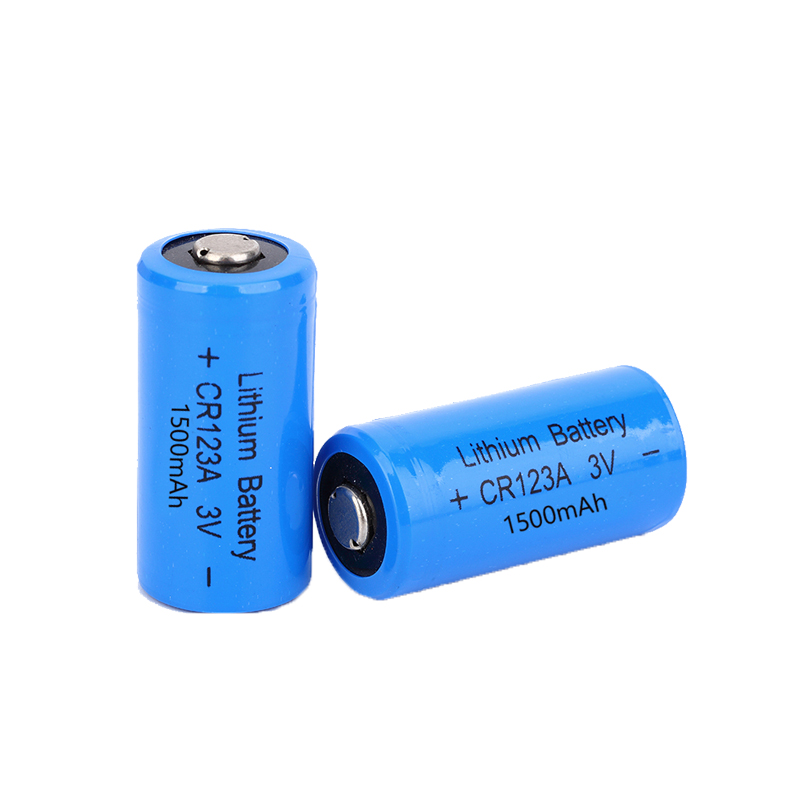
The CR123A battery (also known under part‑numbers CR17345, DL123A, EL123AP) is a widely‑adopted 3‑volt lithium‑manganese‑dioxide primary cell. Many OEM engineers, system integrators and bulk distributors select this cell for low‑maintenance hardware that demands long shelf‑life, stable voltage and broad temperature tolerance.
While most buyers know this cell works for cameras and flashlights, far more industrial, IoT, safety and medical hardware rely on it as their primary power source. This article breaks down real‑world device use‑cases, common compatibility pitfalls, cross‑reference part‑numbers, and practical field advice for product designers and procurement teams.
CR123A Battery: What Devices Actually Use This 3V Lithium Cell
This compact lithium cell excels for low‑to‑moderate drain devices running on long standby cycles, where frequent battery replacement is impractical or unsafe. Below are grouped real‑world applications covering consumer, commercial, industrial and tactical hardware.
Home & Building Safety Systems
This is one of the largest real‑world markets for the CR123A battery. Most wireless safety sensors run on one or multiple cells, thanks to multi‑year standby capability and leak‑resistant construction.
- Wireless smoke detectors, NBIoT combined smoke‑CO‑heat detectors
- Wireless heat sensors and freeze‑alert sensors
- Home & commercial alarm panel peripheral sensors: door‑window contacts, glass‑break detectors
- PIR motion sensors for security alarm systems (Honeywell 5800‑series and comparable third‑party sensors)
- Smart locks, access control keypads and battery‑powered door contact transmitters
- Emergency exit signs and standalone backup emergency lighting units for stairwells and utility rooms
Photography & Optical Equipment
Originally designed for film‑camera hardware, the CR123A battery remains popular for photo‑related gear:
- 35 mm film point‑and‑shoot and SLR cameras
- External camera flash units and portable studio light meters
- Underwater photography housings and compact dive lights
Tactical, Outdoor & Portable Lighting
Tactical‑grade devices place high pulse‑drain requirements on cells, a strength of this lithium cell:
- High‑output tactical flashlights and weapon‑mounted lights
- Rifle‑mount laser sights, night‑vision monoculars and binocular accessories
- Handheld outdoor headlamps, camp safety beacons, portable distress marker lights
- Handheld GPS trackers and remote location loggers for field‑work
IoT, Industrial Sensors & Instrumentation
Industrial‑grade wireless IoT hardware frequently specifies this 3V lithium cell for remote, hard‑to‑access installations:
- Wireless industrial IoT sensors for temperature, humidity and vibration monitoring
- Water‑meter, gas‑meter and electric‑meter battery‑powered pulse transmitters
- Remote asset GPS trackers for containers, trailers and off‑grid field equipment
- Portable handheld test meters, environmental data loggers and field‑survey instruments
- Underground or wall‑mounted wireless transmitters where recharging is impossible
Medical & Portable Diagnostic Hardware
Many battery‑driven medical accessories rely on the stable 3‑volt output of the CR123A battery:
- Portable glucose monitors and compact patient screening devices
- Handheld non‑invasive diagnostic tools for clinic and home‑use
- Portable medical alarm call buttons and wireless patient alert transmitters
Law‑Enforcement, Public‑Safety & Special‑Purpose Gear
- Portable emergency locator beacons and small marine safety transmitters
- Portable surveillance sensors and battery‑operated remote recording nodes
- Specialized training‑simulation equipment for public‑safety teams
Important note: Not every device labelled “123‑size” can accept this cell. Always double‑check nominal voltage requirements before installation.
Compatibility Pitfalls: Most Common Field Mistakes
Many device faults trace back to mixing‑up similar‑looking cell formats. Working with the CR123A battery requires awareness of these well‑known traps.
CR123A vs RCR123A (16340 rechargeable lithium‑ion)
This is the #1 compatibility mistake in the field.
- CR123A battery: Non‑rechargeable primary lithium, nominal 3.0 V
- RCR123A / 16340: Rechargeable lithium‑ion cell, nominal 3.7 V
Installing a 3.7 V rechargeable RCR123A into hardware engineered for this primary cell can burn out sensor circuits, damage alarm mainboards and void device certification. Never substitute unless the product datasheet explicitly permits higher‑voltage rechargeable cells.
Cross‑reference equivalent part‑numbers
These names all refer to the same physical cell: CR17345, DL123A, EL123AP, 5018LC. When sourcing replacements, you can interchange these part‑numbers as long as physical dimensions match.
However: Alkaline “123‑look‑alike” cells exist on the market. Avoid them for safety‑critical devices, as alkaline versions cannot match the low self‑discharge and wide temperature range of genuine lithium cells.
Key Performance Traits That Make This Cell Fit These Diverse Applications
Why do so many different categories of hardware choose the CR123A battery? Three core properties drive adoption for all above‑listed use‑cases:
- Ultra‑low self‑discharge: Premium‑grade variants offer up to 10‑year shelf‑life, critical for safety sensors that may sit in standby for multiple years before activation.
- Flat discharge curve: Output voltage holds steady through most of the cell’s runtime, preventing false fault alerts triggered by gradual voltage drop‑off.
- Extended operating temperature: Reliable performance across −40 °C to +60 °C, supporting unheated outdoor cabinets, attic‑mounted sensors and cold‑climate field deployments.
Even with these strengths, it is a primary (single‑use) cell. It cannot safely be recharged; attempted charging will cause swelling, leakage or cell rupture.
Practical Sourcing Guidance For OEM & Distributor Buyers
If you are specifying or stocking the CR123A battery for finished devices, keep these procurement points in mind:
- For safety‑critical hardware (smoke detectors, medical alert transmitters), source cells with complete documentation: UN38.3 transport reports, IEC 60086‑4 primary‑lithium safety test data and MSDS material safety sheets.
- Confirm cell grade: Budget‑grade options may only guarantee 5‑year shelf‑life, while premium‑grade cells support full 10‑year standby requirements. Match grade against your device’s expected service interval.
- OEM custom options: Blister retail packs, bulk tray packaging and custom printed sleeve labels are available for brand‑labelled distribution channels.
FAQ
Q: Can I replace this cell with an AA lithium cell?
A: Generally no. AA lithium is different physical dimension and capacity; it will not fit most compartments and cannot deliver matching pulse‑drain performance.
Q: Can the CR123A battery work in freezing outdoor installations?
A: Yes. Genuine lithium‑manganese‑dioxide cells maintain usable capacity down to −40 °C. Alkaline alternatives will suffer heavy capacity loss under cold conditions.
Q: Are these cells permitted for air shipment?
A: Yes, when cells meet UN38.3 certification and follow dangerous‑goods packing rules. Bulk shipments require Class 9 dangerous‑goods declaration.
Q: What happens if I try to recharge a CR123A battery?
A: It is non‑rechargeable primary chemistry. Charging creates risk of electrolyte leakage, cell swelling or rupture. No charger should ever be connected.
Conclusion
From home smoke alarms to remote industrial IoT loggers and tactical field gear, the CR123A battery powers an extremely broad spectrum of devices. Its long shelf‑life, flat discharge curve and wide‑temperature capability make it irreplaceable for many low‑maintenance standby applications.
The most frequent avoidable failures come from mis‑applying higher‑voltage RCR123A rechargeable cells in hardware built for this primary cell. OEM designers and distributors should always enforce strict part‑number matching and verify certification documentation for safety‑critical deployments.
If you need samples, OEM custom packaging or bulk volume quotations, feel free to contact our sales team.
Internal links suggestion: Best CR123A Battery