Lithium Batteries in Medical Systems
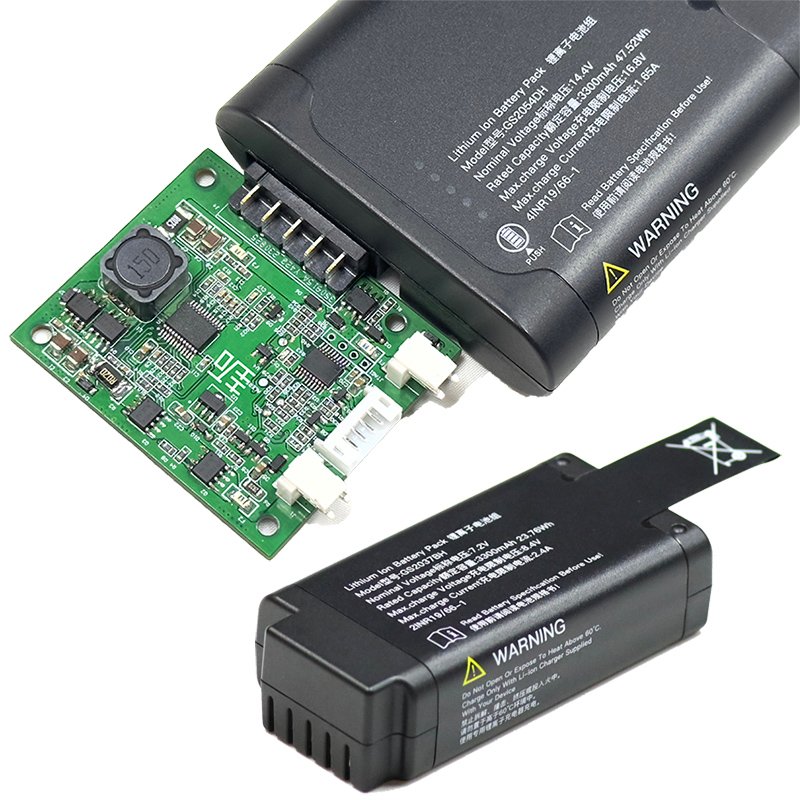
Lithium batteries in medical systems have become indispensable due to their lightweight design, high energy density, and long life cycle. They power a wide range of medical devices, from hearing aids to cardiac pacemakers, ensuring reliability and safety in critical healthcare applications.
Modern healthcare equipment keeps raising higher standards for power sources. Lithium‑ion technology addresses many pain‑points of older battery types, standing out for stable output and compact form factor. As medical electronics keep shrinking in size, this power solution continues to expand its real‑world deployment across clinics, home‑care scenarios and implantable hardware.
Applications of Lithium Batteries in Medical Systems
Hearing Aids
Traditionally, primary batteries were used in hearing aids, but they often caused issues such as high costs, environmental pollution, and unstable voltage, which reduced sound quality. Replacing them with rechargeable lithium‑ion batteries provides stable performance, eco‑friendliness, and cost efficiency. For small wearable medical hardware, this power solution offers miniaturized power without sacrificing safety standards.
Cardiac Pacemakers
For life‑sustaining devices like pacemakers, lithium batteries are highly preferred because of their long lifespan, reliability, and low self‑discharge rate. A stable power source is critical to ensure uninterrupted operation, making lithium batteries the best option. Strict certification requirements apply here, and lithium batteries in medical systems must pass rigorous testing before practical clinical use.
Other Non‑Life‑Support Medical Devices
Lithium batteries are also applied in portable diagnostic tools, monitoring systems, and implantable sensors. These devices require compact yet powerful energy sources, making lithium‑ion technology the leading choice. Many home‑health monitors rely on this reliable power source to support long‑term daily patient data collection.
Why Lithium Batteries in Medical Systems Represent the Future of Healthcare Power
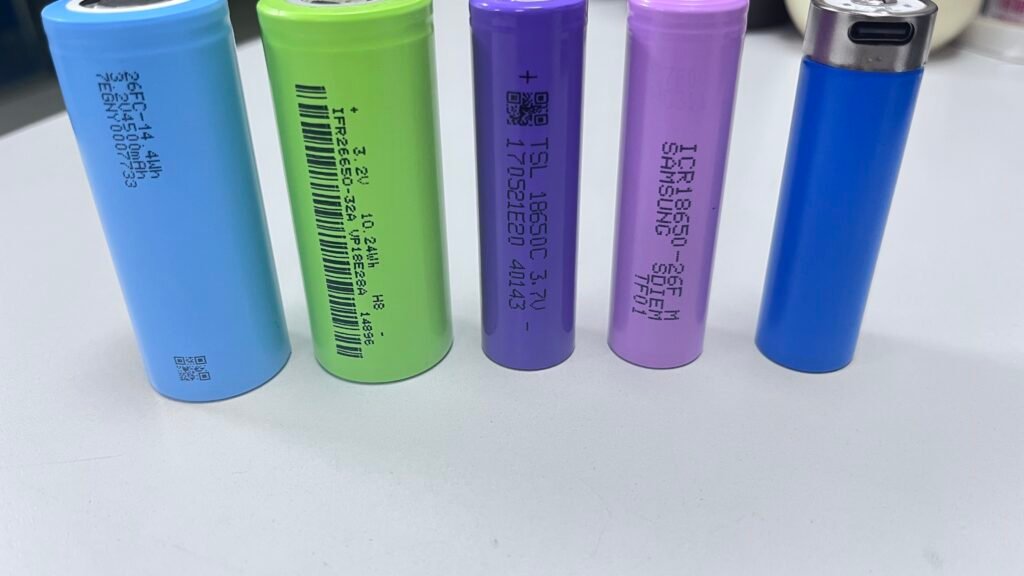
With the rapid development of the electronics industry, devices are becoming smaller, lighter, and more integrated. Traditional rechargeable batteries cannot meet the growing demand for miniaturization in Micro‑Electro‑Mechanical Systems (MEMS). Lithium‑ion batteries, being lightweight and energy‑dense, are the ideal candidates for powering the next‑generation medical innovations.
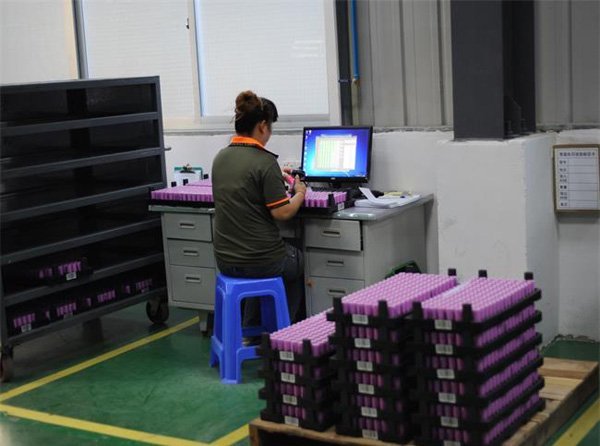
Medical manufacturers prioritize consistent quality and safety compliance. These batteries can be customized on voltage, capacity and physical shape to match unique device design requirements for OEM and ODM projects.
Conclusion
The integration of lithium batteries in medical systems is not just about providing power—it’s about enabling safer, more efficient, and more reliable healthcare solutions. From hearing aids to pacemakers and advanced sensors, lithium‑ion technology is shaping the future of modern medicine.
For more details or custom solutions, please visit our About Us page or Contact Us for personalized support. You can also explore our Products page for compatible solutions.