
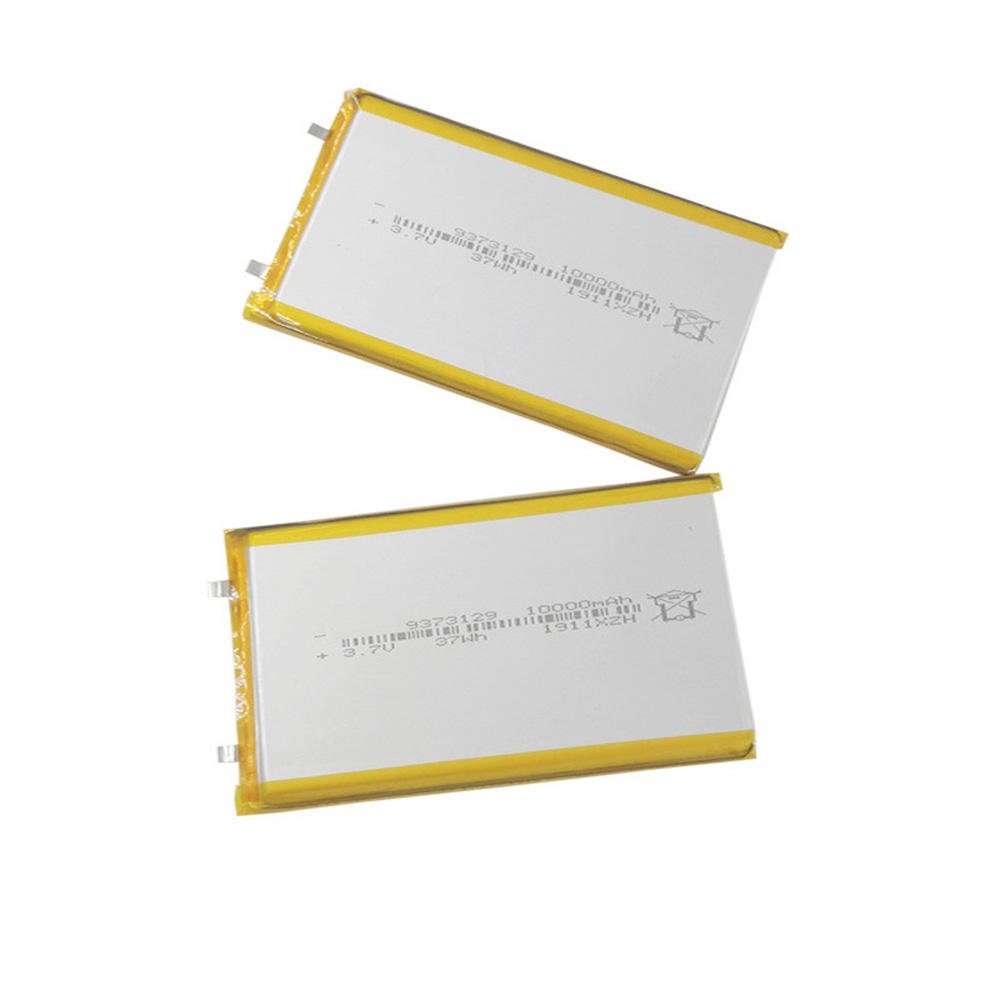
Why Portable Power Transforms Modern Patient Care
When you design battery powered medical devices, the battery is not just an accessory component — it is a core part of device safety and patient outcomes. Portable, wearable and home-care healthcare equipment relies on stable power to deliver continuous care away from fixed wall outlets, from hospital wards and emergency response vehicles to private patient homes.
Unlike standard consumer electronics, these medical systems operate in high-stakes environments. Unexpected power loss can interrupt monitoring, therapy or life-support functions. For medical OEMs, contract designers and battery sourcing teams, this means every power solution must balance consistent runtime, tight safety controls and full regulatory traceability. If you evaluate custom power solutions for portable equipment, you can review our custom lithium battery pack portfolio to compare validated pack designs.
Common Categories of Battery Powered Medical Devices
The market covers clinical, emergency and at-home use cases, each with unique power profile requirements.
- Patient monitors and vital sign trackers
- Portable infusion pumps and syringe drivers
- Portable oxygen concentrators and respiratory support gear
- Handheld surgical tools and diagnostic ultrasound scanners
- Wearable ECG, glucose and continuous monitoring sensors
- Home CPAP and respiratory therapy units
- Emergency and ambulance portable medical gear
Each product group demands tailored discharge behaviour. Low-drain continuous monitoring units prioritise long shelf life and low self-discharge, while surgical tools need high pulse discharge without voltage drop under peak load.
Non-Negotiable Safety & Compliance Standards for Medical Battery Integration
Regulatory compliance is the foundation for every battery integrated into battery powered medical devices. Global medical markets enforce strict standards to reduce thermal, leakage and failure risks for patients and clinical staff.
- ISO 13485 quality management for full batch traceability
- IEC 60601-1 essential safety and performance for medical electrical equipment
- IEC 62133-2 lithium cell safety testing
- UN 38.3 transport validation for battery shipment
- CE marking for EU market access, aligned with EU battery regulations referenced on the European Commission battery policy portal
Medical battery packs must include dedicated protection against overcharge, over-discharge, short circuit and overtemperature events. Advanced BMS keeps cell voltage balanced across long service cycles and delivers clear low-power alerts for clinicians and caregivers.
Core Performance Metrics to Specify for Medical Battery Systems
Before finalising a power specification, engineering teams should evaluate these key parameters against intended use profiles.
- Stable discharge voltage: Avoid voltage sag during peak current draw, which can trigger device shutdown or measurement error.
- Cycle life and calendar ageing: Many medical products stay in service for multiple years; battery ageing curves must be validated over the full expected product lifecycle.
- Operating temperature range: Clinical spaces, ambulances and home environments introduce wide temperature variation.
- Ingress protection: IP-rated enclosures defend against liquid spills and dust in busy clinical settings.
- Self-discharge rate: Critical for stock inventory and standby emergency equipment that may sit idle for months.
- Accurate state-of-charge reporting: Clear battery indicators reduce human error during patient care.
Battery Chemistry Selection for Battery Powered Medical Devices
No single cell chemistry fits all medical applications. OEMs select chemistries based on risk classification, size constraints and runtime goals.
- Lithium-ion: High energy density, compact size, widely adopted for portable monitors and therapy devices. Requires robust BMS and formal compliance documentation.
- LiFePO4: Superior thermal stability, longer cycle life, lower fire risk. Preferred for higher-power portable healthcare hardware such as portable oxygen units.
- Primary lithium: Ultra-low self-discharge for long shelf-life emergency and implant-adjacent equipment.
- NiMH: Low cost, forgiving charging behaviour, suitable for non-life-critical home diagnostic gear.
Risk classification drives this decision. Life-critical systems often use redundant power architecture alongside the main battery pack.
Key Sourcing Principles for Medical-Grade Battery Packs
Selecting a qualified battery supplier for battery powered medical devices differs significantly from sourcing consumer-grade power packs.
- Confirm the supplier maintains ISO 13485 certified production and full component traceability records.
- Request full test reports for ageing, thermal cycling and abuse testing before design freeze.
- Plan dual cell sourcing strategy to mitigate supply chain disruption for long-lifecycle medical products.
- Validate mechanical fit, shock resistance and connector reliability for repeated handling.
- Clarify post-market support for replacement packs and documentation updates for regulatory audits.
Poorly validated battery components create costly recalls, damage brand trust and delay market clearance. Rigorous supplier qualification protects your device launch timeline.
Design Mistakes to Avoid When Engineering Medical Power Systems
Many medical device projects run into delays from overlooked battery design choices.
- Underestimating peak current draw and designing only around average load.
- Skipping accelerated ageing testing, leading to early capacity fade after field deployment.
- Using generic consumer BMS without medical-grade fault logging and alert logic.
- Failing to document battery specifications clearly for regulatory submission files.
- Ignoring end-of-life recycling and labelling requirements for EU distribution.
Teams that treat the battery as a parallel design workstream, not a late add-on, build more reliable hardware and speed up regulatory approval.
Custom Battery Pack Support for Your Medical Project
Our engineering team develops application-specific battery packs for battery powered medical devices, supporting OEMs from prototype validation through mass production. We deliver full test documentation, traceable manufacturing records and private label packaging to match your medical device branding.
Share your device power profile, target certification and mechanical envelope, and we will provide a detailed specification review and quotation.
Battery reliability directly shapes trust in portable healthcare equipment. Partner with a battery manufacturer that understands medical regulatory rigor and patient safety priorities.