
Introduction
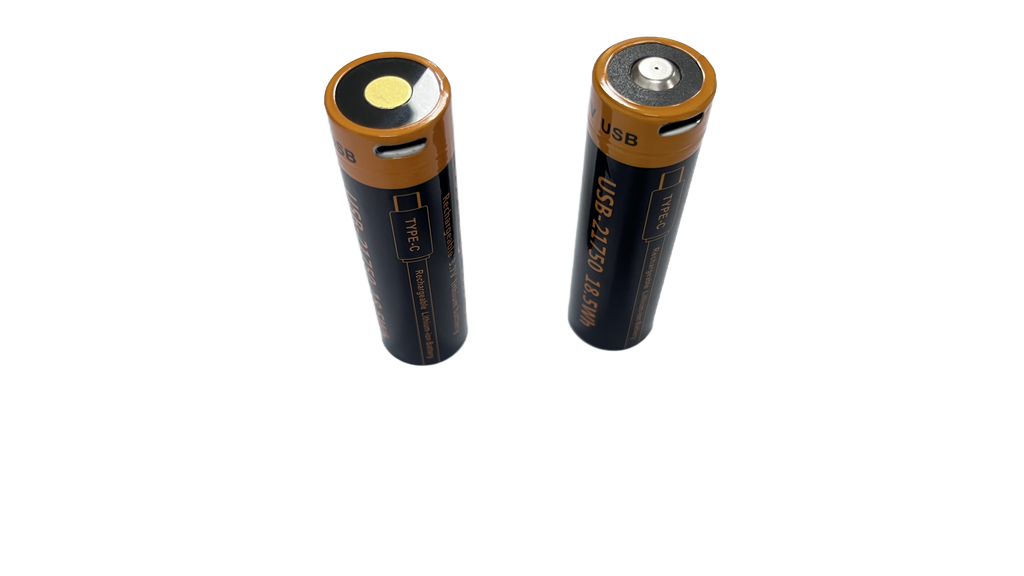
The 21700 lithium‑ion cell has become a popular choice for hobbyists, DIY battery pack builders and industrial buyers across Europe. As a cylindrical Li‑ion format, it sits between the well‑known 18650 and larger 26650 cells. Many European users wonder: what exactly is a 21700 cell, and when should you pick it over 18650 or 26650 batteries?
In this guide, we break down the physical dimensions, capacity, discharge performance, real‑world applications, and core differences between 21700, 18650 and 26650 cylindrical lithium‑ion cells. We also include key notes for EU importers and DIY builders regarding safety and PPWR compliance.
What is a 21700 Cell?
The naming rule for cylindrical lithium‑ion cells is simple:
- The first two digits = diameter in millimeters
- The next two digits = length in millimeters
A 21700 cell means:
- Diameter: 21 mm
- Length: 70 mm
Most standard 21700 rechargeable lithium‑ion cells deliver 5000mAh nominal capacity, with a nominal voltage of 3.7V (full charge 4.2V). High‑drain variants can support continuous discharge rates from 5A up to 30A, depending on the cell chemistry.
Important note: In the European market, genuine 21700 cells must meet CE safety standards and comply with the EU PPWR battery regulation. Always verify certification before bulk purchasing.
Core Comparison: 21700 vs 18650 vs 26650
| Parameter | 18650 Cell | 21700 Cell | 26650 Cell |
|---|---|---|---|
| Dimensions | 18 mm × 65 mm | 21 mm × 70 mm | 26 mm × 65 mm |
| Typical Nominal Capacity | 2000‑3500 mAh | 4000‑5000 mAh | 4000‑5500 mAh |
| Nominal Voltage | 3.7 V | 3.7 V | 3.7 V |
| Common Continuous Discharge | 3‑20A | 5‑30A | 5‑25A |
| Physical Size | Smallest | Medium | Largest |
1. 21700 vs 18650
The 18650 is the most widely used cylindrical lithium‑ion cell in the world.
- Capacity gap: A standard 21700 cell offers around 40‑60% higher capacity compared to a high‑end 18650. You get more energy in a single cell.
- Size difference: 21700 is wider and longer. It cannot fit into standard 18650‑only battery holders or flashlight bodies. You need dedicated 21700‑compatible enclosures.
- Use‑case fit: 18650 is ideal for compact devices, small power banks and space‑limited builds. 21700 is better for higher‑energy needs like DIY home storage, high‑power flashlights and custom battery packs.
2. 21700 vs 26650
The 26650 is a bigger, wider cylindrical cell.
- Capacity: 26650 can reach slightly higher maximum capacity, but the difference is modest. Many 26650 cells sit around 5000‑5500 mAh, close to top‑tier 21700 cells.
- Form‑factor: 26650 is much wider. It requires much larger battery casings. For many European DIY builders, the 21700 strikes a better balance between energy density and physical footprint.
- Availability: 21700 cells have broader availability across EU wholesale channels. 26650 is less common for mainstream consumer and hobby projects.
Which one should you choose?
Pick 18650 if:
- You need compact size for small flashlights, portable power banks
- Your existing battery holder or device only accepts 18650 format
- You prioritize small form factor over maximum capacity
Pick 21700 cell if:
- You want higher energy density than 18650, without the bulk of a 26650
- Building DIY off‑grid storage, high‑drain flashlights, custom lithium‑ion packs
- Looking for a good balance of capacity, discharge performance and availability in the EU market
Pick 26650 if:
- You have ample space inside your enclosure
- You need maximum energy per cell and do not mind the large diameter
Important Considerations for European Buyers
- PPWR Regulation: All lithium‑ion cells imported into the EU must follow the Battery Regulation (PPWR). This includes traceability, carbon footprint reporting, and end‑of‑life recycling requirements.
- Cell Grade: Always distinguish between grade A genuine cells, recycled cells and counterfeit cells. Counterfeit 21700 cells are common in global markets and present serious fire safety risks.
- Discharge rate matching: Match the cell’s continuous discharge rating to your device’s current draw. Using a low‑drain 21700 cell in high‑power equipment will cause overheating and failure.
Conclusion
The 21700 cell is a middle‑ground cylindrical lithium‑ion format, delivering significantly higher capacity than the classic 18650, while remaining more compact than the 26650. It is extremely popular among European DIY enthusiasts, flashlight users and small‑scale energy‑storage builders.
Before purchasing, double‑check your device or battery pack enclosure compatibility. For bulk orders, always confirm CE certification and PPWR compliance to meet European import rules.
FAQ section
Q: Can I replace an 18650 with a 21700 cell?
A: No. The 21700 cell is larger in both diameter and length. It will not fit into standard 18650 holders or devices.
Q: What is the typical capacity of a 21700 lithium‑ion battery?
A: Most genuine 21700 rechargeable cells are rated at 5000 mAh nominal capacity.
Q: Is 21700 better than 26650?
A: It depends on space constraints. 21700 offers similar energy in a smaller package, making it more popular for most European hobby and industrial applications.