
Introduction
When a soldier’s radio goes silent at -40°C, or a UAV loses power in 60°C desert heat, the failure is an operational crisis. A military lithium battery pack must deliver reliable energy when everything else fails. For defense procurement officers and military OEM engineers, understanding how these packs perform in extreme conditions is essential to mission success.
What Is a Military Lithium Battery Pack?
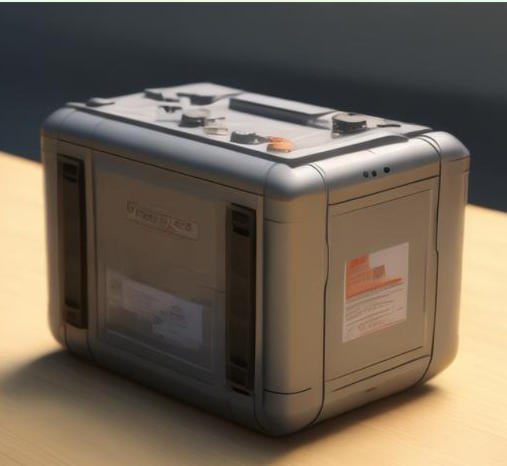
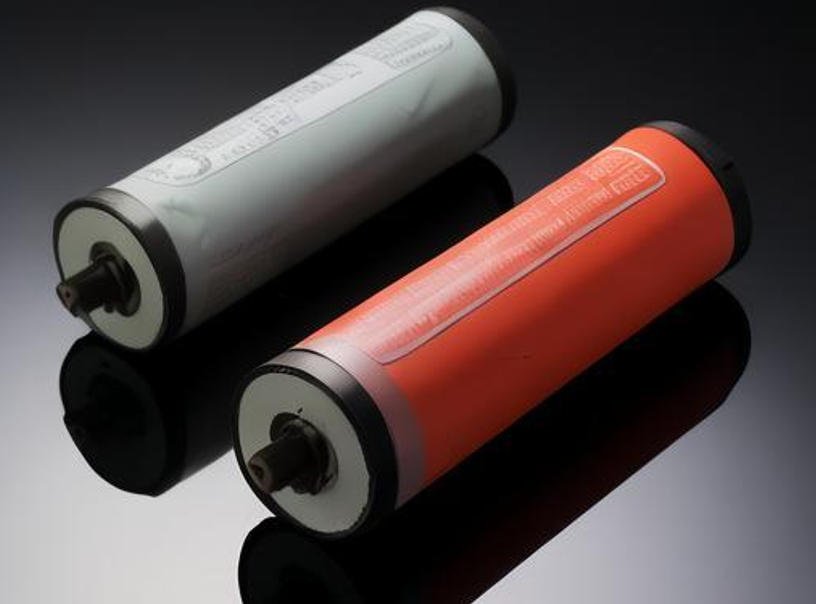
A military lithium battery pack is a ruggedized power system engineered to meet military standards under extreme conditions. Unlike commercial packs, military-grade units operate from -40°C to +71°C, survive 40-75G shocks, comply with MIL-STD-461G EMC requirements, and carry IP67 or IP68 ratings.
Common chemistries include Li-ion (high energy density for portable gear), LiFePO4 (superior thermal stability for vehicles), and Li-SOCl₂ (10-20 year shelf life for sensors and munitions).
Why Choose a Military Lithium Battery Pack?
Extreme Temperature Performance
Military packs use low-temperature electrolytes, internal heaters, and thermal insulation to deliver power at -40°C. At high temperatures, ceramic-coated separators and active cooling prevent degradation. Refer to Battery University for detailed temperature analysis.
Mechanical Ruggedization
MIL-STD-810H testing ensures survival of combat-level shock, vibration, and drops. Packs use potting, cushioned cell mounts, and rigid aluminum enclosures.
EMC and Environmental Sealing
MIL-STD-461G compliance ensures no electromagnetic interference with sensitive military systems. IP67/IP68 sealing enables submersion and dust-proof operation.
Key Factors to Consider Before Buying
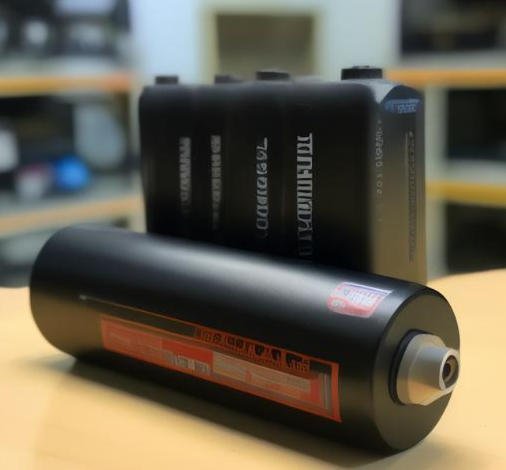
| Factor | What to Specify |
| Temperature range | Operational -40°C to +71°C per MIL-STD-810H |
| Shock/vibration | MIL-STD-810H Methods 516.8 & 514.8 |
| EMC | Full MIL-STD-461G suite |
| Ingress protection | IP67 minimum |
| BMS | Redundant protection, data logging, SOC ±3% |
| Supplier | Defense experience, ITAR registration, AS9100 |
Applications
- UAV/drones — cold-weather UAV operations require packs retaining 50-60% capacity at -20°C
- Tactical communications — radios needing stable voltage across full temperature range
- Night vision/optics — CR123A or rechargeable Li-ion for sustained cold-night operations
- Military vehicles — LiFePO4 banks for silent watch and hybrid drive
- Soldier-worn power — conformal packs surviving mud, rain, snow, and sand
- FOB microgrids — solar-plus-LiFePO4 systems reducing fuel convoy exposure
Technical, Safety, and Certifications
Key standards for military battery packs:
- MIL-STD-810H — environmental testing (temperature, shock, vibration, humidity, salt fog)
- MIL-STD-461G — electromagnetic compatibility
- UN38.3 — transport safety (ICAO regulations)
- ITAR — U.S. export control compliance
- AS9100 — aerospace quality management
Military BMS must include redundant hardware protection, non-volatile data logging, encrypted communication, and SOH monitoring. Safety features include thermal fuses, pressure relief valves, and fire-retardant cell barriers to prevent thermal runaway propagation.
FAQ
Q1: At what temperature do military lithium battery packs stop working?
Military packs operate from -40°C to +71°C. At -40°C, expect 20-40% capacity reduction. Li-SOCl₂ chemistry can function down to -55°C.
Q2: Can you charge at sub-zero temperatures?
Standard Li-ion charging below 0°C causes lithium plating. Military packs use integrated heaters to pre-warm cells above 5°C before charging. See Battery University.
Q3: What’s the difference between MIL-STD-810G and 810H?
810H (2019) is the current revision with updated test procedures and temperature values. Always specify 810H for new programs.
Q4: How long do military battery packs last?
Li-ion: 300-1,000 cycles (2-5 years). LiFePO4: 2,000-4,000 cycles (5-10 years). Li-SOCl₂: 10-20 years shelf life.
Q5: Are military battery packs waterproof?
Most are IP67 or IP68 rated, submersible to at least 1 meter for 30 minutes. Specialized underwater packs operate at greater depths.
Conclusion
A military lithium battery pack represents the pinnacle of battery engineering — delivering power from Arctic cold to desert heat, surviving combat-level shock, and meeting the most demanding military standards. When sourcing, match chemistry to environment, demand full MIL-STD-810H and MIL-STD-461G compliance, and partner with a defense-experienced manufacturer.
We offer custom military battery pack design with full MIL-STD compliance, multiple chemistry options, and military-grade BMS. Contact us today to discuss your defense power requirements.