
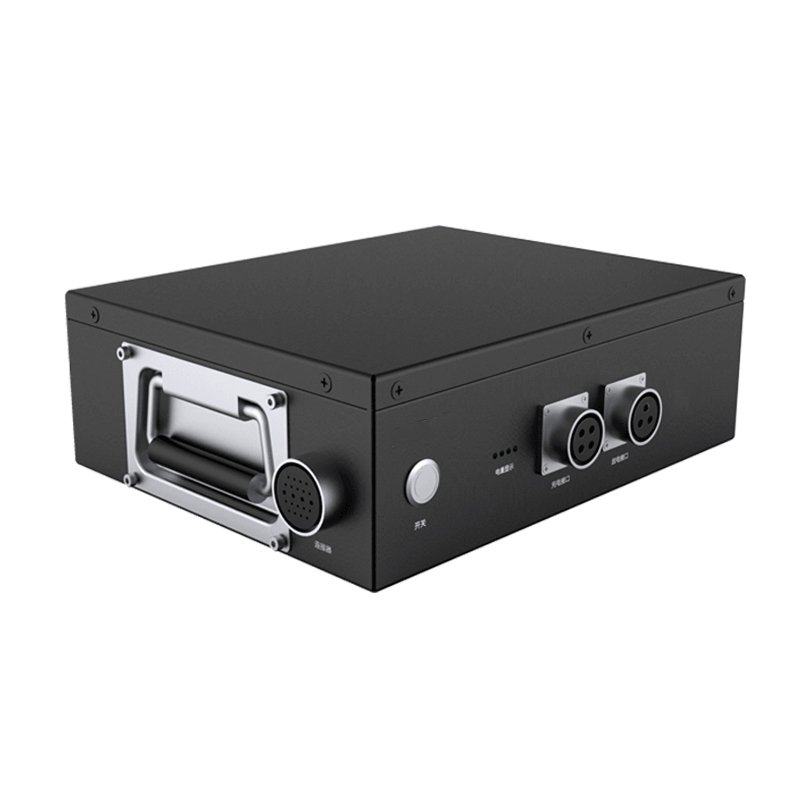
A battery management system (BMS) plays a critical role in ensuring the safety, stability, and performance of modern lithium battery systems. Whether used in electric vehicles, energy storage, or portable devices, a well-designed BMS helps monitor battery conditions in real time and prevents potential risks such as overcharging, overheating, or short circuits. As battery applications continue to expand, understanding how a battery management system works—and how to set it up properly—has become increasingly important.
Core Structure of a Battery Management System
A typical battery management system is built around three key modules that work together to ensure efficient operation.
The first is the battery terminal module, responsible for collecting real-time data such as voltage, current, temperature, and communication signals. This module acts like the “sensing layer,” continuously monitoring battery conditions.
The second is the control module, which communicates with external systems and manages key operations such as charging and discharging. It acts as the decision-making center, ensuring the battery operates within safe limits.
The third is the display module, which provides data visualization and enables user interaction. This allows operators to easily monitor battery status and respond when needed.
Key Functions of a Battery Management System
A well-configured battery management system performs multiple essential functions to meet safety and performance standards.
1. Battery Monitoring and Data Collection
The system continuously tracks total voltage, current, and individual cell voltage to prevent overcharge, over-discharge, and reverse polarity. Temperature sensors are typically installed across battery cells and key connection points to ensure accurate thermal monitoring. Additional features such as insulation detection, smoke detection, and collision sensing further enhance safety.
2. Battery State Estimation
Accurate estimation is essential for performance optimization. A battery management system evaluates several parameters, including:
- State of Charge (SOC)
- State of Health (SOH)
- State of Function (SOF)
- State of Energy (SOE)
These indicators help determine battery capacity, efficiency, and overall condition during operation.
3. Fault Diagnosis and Early Warning
Modern BMS solutions include advanced diagnostic algorithms that detect and identify faults in real time. These may include sensor failures, communication issues, or hardware malfunctions. Battery-related risks such as overvoltage, undervoltage, overcurrent, overheating, internal short circuits, or electrolyte leakage can also be detected early, allowing preventive action before serious damage occurs.
4. Safety Control and Protection Mechanisms
Once a fault is detected, the battery management system can trigger alarms and communicate with the main control system to take corrective action. In critical situations, it can automatically disconnect the power circuit to prevent damage or safety hazards caused by extreme temperature, overcurrent, or electrical leakage.
5. Charging Control
The BMS manages the charging process based on battery characteristics, temperature conditions, and charger capacity. This ensures efficient and safe charging while extending battery lifespan. Proper charging control is especially important for lithium-ion battery systems where precision is critical.
6. Cell Balancing
Cell imbalance can reduce the overall capacity of a battery pack. A battery management system uses active or passive balancing methods to equalize the voltage across individual cells, improving overall efficiency and extending service life.
7. Thermal Management
Temperature control is essential for battery performance. The system adjusts heating or cooling based on real-time temperature data, ensuring the battery operates within an optimal range. This improves both efficiency and safety.
8. Communication and Data Management
BMS systems typically use CAN communication to interact with other devices and controllers. This allows real-time monitoring, remote diagnostics, and system updates without disassembly. Additionally, key data such as SOC, SOH, charge cycles, and fault history are stored for analysis and maintenance.
9. Electromagnetic Compatibility (EMC)
Since batteries often operate in complex environments, the battery management system must resist electromagnetic interference while minimizing its own emissions. Strong EMC performance ensures stable and reliable operation.
Conclusion
A reliable battery management system is essential for maximizing battery performance, ensuring safety, and extending service life. From real-time monitoring and fault detection to thermal management and communication, every function plays a role in maintaining system stability. As lithium battery applications continue to grow, proper BMS design and setup will remain a key factor in achieving consistent and dependable energy solutions.
FAQ About Battery Management System
Q1: What does a battery management system do?
A battery management system monitors battery performance, protects against unsafe conditions, and ensures efficient operation through real-time data analysis.
Q2: How does a BMS improve battery safety?
It detects risks such as overcharging, overheating, and short circuits, and can automatically disconnect the battery to prevent damage.
Q3: Can a battery management system be customized?
Yes, BMS configurations can be adjusted based on battery type, capacity, and application requirements.
Q4: Why is cell balancing important?
Balancing ensures all cells operate at similar voltage levels, improving battery efficiency and extending lifespan.
Q5: What should be considered when integrating a BMS?
Key factors include compatibility, communication protocol, thermal management, and safety protection features.