
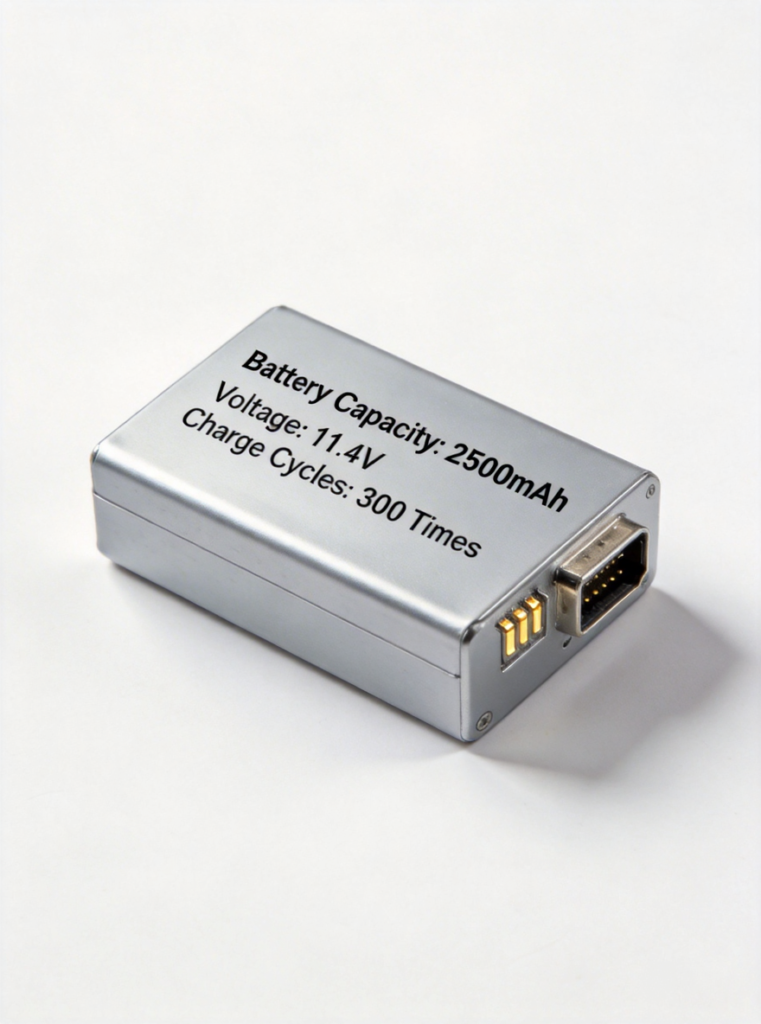
The drone battery market has been experiencing rapid growth as drones continue to transform industries from aerial photography to agriculture, logistics, and surveillance. High-performance drone batteries are essential for longer flight times, faster charging, and stable power output, which directly impact drone efficiency and reliability. As drone applications expand, demand for lightweight, high-energy-density batteries with superior safety and longer cycle life has surged globally.
One of the most significant trends in the drone battery industry is the shift toward lithium polymer (LiPo) and advanced lithium-ion chemistries. These batteries offer higher energy density compared to traditional options, allowing drones to fly longer without increasing weight. In commercial drone operations, this means more efficient delivery routes, improved aerial survey accuracy, and extended mission durations. Manufacturers are also focusing on battery modularity, making it easier to swap or scale power capacity according to different drone models and flight requirements.
Innovation in Drone Battery Technology
Innovation in drone battery design has focused on maximizing flight time while ensuring safety. Advanced protection circuits guard against overcharge, over-discharge, short circuits, and thermal runaway. Many drone batteries now feature integrated monitoring systems that communicate battery health, voltage, and temperature to the drone’s control unit in real-time. For operators, this translates into better flight planning, reduced downtime, and longer battery life. Certifications such as CE and UL further guarantee that the batteries meet international safety standards, which is critical for both consumer and industrial applications.
Another growing trend is the development of fast-charging drone batteries. Quick turnaround times are essential for professional drone operators conducting multiple flights per day. Batteries with higher cycle life and improved thermal stability ensure that performance remains consistent, even under demanding conditions. These enhancements support diverse markets, from aerial cinematography and agriculture monitoring to emergency response and military applications.
Market Outlook and Supply Considerations
The drone battery market is poised for continued expansion as drones become more integrated into commercial workflows. Battery suppliers are increasingly emphasizing stable production, efficient packaging, and reliable international shipping. Flexible minimum order quantities and predictable lead times are also crucial for ensuring that operators can maintain uninterrupted drone operations. With energy efficiency, safety, and durability as core demands, high-quality drone batteries will remain a key differentiator for manufacturers and service providers in this fast-growing sector.
As more industries adopt drones for daily operations, high-performance drone batteries will continue to drive the market forward. Companies investing in battery innovation, quality control, and supply chain reliability are better positioned to meet evolving customer expectations and capture new opportunities.
FAQ About Drone Battery
Q1: What materials are used in drone batteries?
Most high-performance drone batteries use lithium polymer (LiPo) or lithium-ion cells, providing lightweight, high-energy-density power with excellent safety features.
Q2: How stable are drone batteries in daily use?
Top-quality batteries undergo rigorous testing for cycle life, voltage stability, and thermal safety, ensuring reliable performance over hundreds of flights.
Q3: Which drone applications benefit most from these batteries?
Commercial drones for aerial photography, agriculture, delivery, and industrial inspections rely on high-capacity, lightweight batteries for longer operational time.
Q4: Can drone batteries be customized for specific needs?
Yes, manufacturers can adjust capacity, voltage, form factor, and connector type to meet different drone models and use scenarios.
Q5: What should be considered when ordering drone batteries in bulk?
Check production consistency, certification compliance, safe packaging, shipping regulations for lithium batteries, and predictable lead times.