
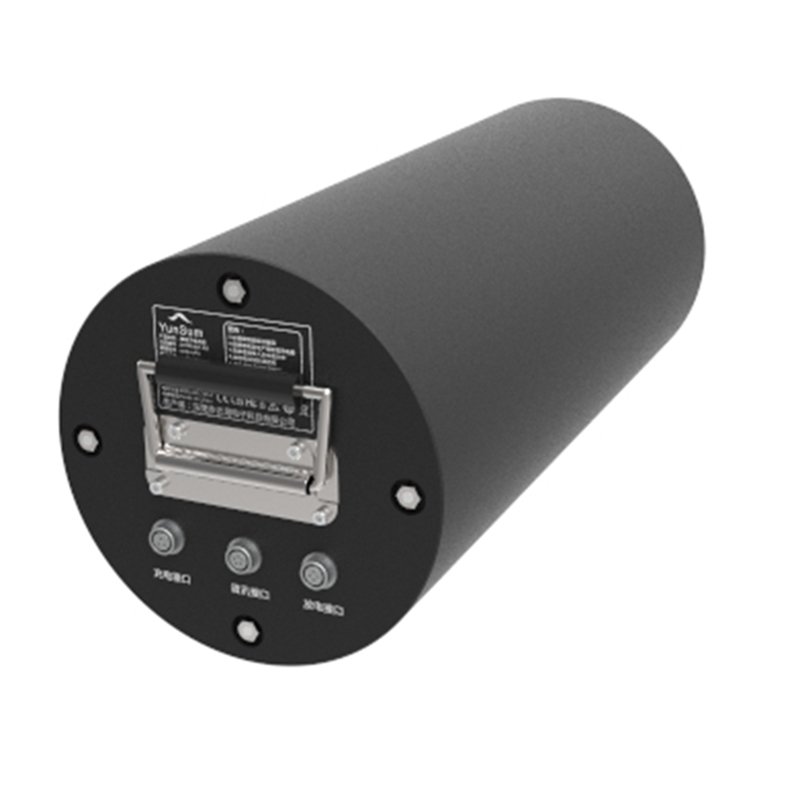
In modern defense systems, portable power solutions are crucial for operations on land, sea, and air. Military-grade lithium-ion batteries have emerged as a preferred choice due to their high energy density, excellent low- and high-temperature performance, lightweight design, compact size, and logistical convenience. Whether for ground troops, military communications, or aerospace applications, these secondary batteries are increasingly favored for their reliability, long cycle life, and adaptability to extreme environments.
The research focus globally is on developing military-grade lithium-ion batteries that are small, lightweight, highly energy-dense, safe, and environmentally robust. These characteristics make them ideal for a wide range of defense applications, from portable weapon systems to advanced communication equipment.
Key Applications in Defense
Portable Weapons and Ground Operations
For army ground operations, portable weapons and devices demand batteries that are both high in energy density and capable of operating under extreme conditions. Military-grade lithium-ion batteries fulfill these requirements while maintaining a small form factor and low weight, simplifying logistics and reducing operational costs.
Military Communication Systems
Communication devices and aerospace systems rely on military-grade lithium-ion batteries with enhanced safety, extended cycle life, and high energy density. Military communication batteries currently achieve energy densities around 150 W·h/kg, with research ongoing to reach 170–200 W·h/kg. In addition to standard safety tests such as short-circuit, overcharge, puncture, compression, thermal shock, and combustion, military-grade batteries also undergo ballistic testing to ensure safe operation even in harsh combat environments.
All-Electric Ships and Naval Applications
The All-Electric Ship (AES) concept integrates military-grade lithium-ion batteries to power propulsion and auxiliary systems. Advantages include:
- High operational voltage (exceeding 700V per battery pack)
- Distributed energy storage across multiple modules
- High energy-to-weight ratio, reducing overall mass
- Long lifespan and excellent operational reliability
Furthermore, autonomous underwater vehicles (AUVs) and unmanned submarines rely on military-grade lithium-ion batteries for energy efficiency, long endurance, and safe operation in challenging maritime conditions.
Emerging and Potential Military Uses
- Heated Clothing and Wearable Power
Military-grade lithium-ion batteries can power carbon-fiber electric heated uniforms, significantly reducing weight while providing thermal comfort. In combination with wearable climate-control systems, they can improve soldier performance in extreme climates. - Airborne, Ground, and Naval Communication Equipment
Replacing lead-acid batteries with military-grade lithium-ion batteries reduces weight, extends operational time, and improves system mobility for communication devices and portable UPS systems. - Portable or Field Power Sources
In field operations, using military-grade lithium-ion batteries for command centers, field hospitals, or remote operations reduces noise and thermal signatures compared to portable generators, enhancing operational stealth and safety.
FAQ About Military-Grade Lithium-Ion Batteries
1. What makes military-grade lithium-ion batteries suitable for defense?
They provide high energy density, lightweight design, long cycle life, and reliable performance under extreme temperature conditions.
2. Are military-grade lithium-ion batteries safe in combat?
Yes. They undergo rigorous testing, including overcharge, short-circuit, thermal shock, puncture, and even ballistic testing to prevent combustion or explosions in harsh environments.
3. Can these batteries be used for naval and underwater systems?
Absolutely. They are used in submarines, AUVs, and all-electric ships, offering high operational voltage, long endurance, and safe energy storage.
4. How do military-grade lithium-ion batteries improve soldier gear?
They reduce the weight and size of wearable devices, heated clothing, and portable field power sources while improving efficiency and mobility.
5. Are they suitable for portable communication devices?
Yes. They are replacing lead-acid batteries in airborne, ground, and naval communication systems, extending runtime and reducing overall system weight.