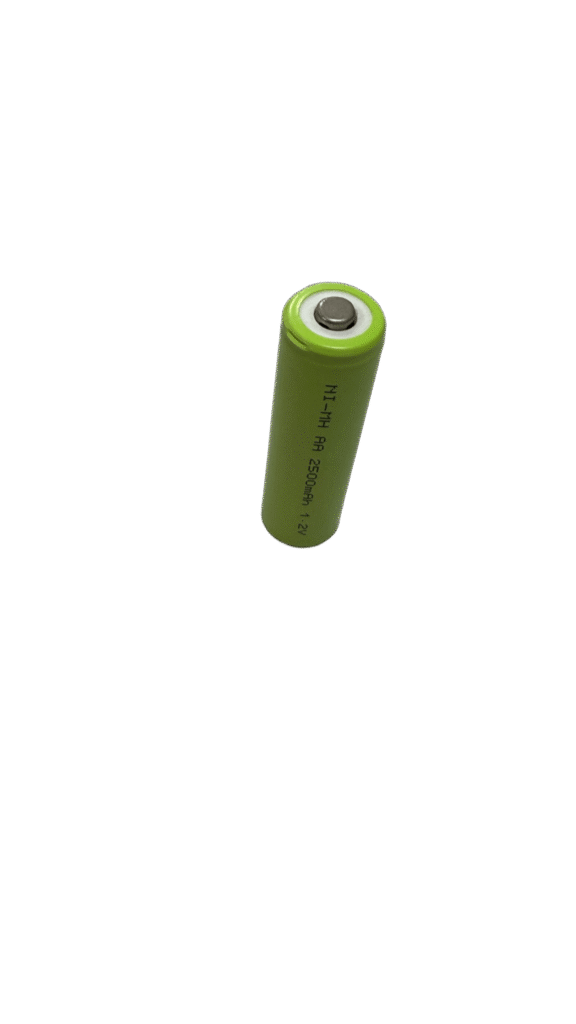
Ni-MH AA Battery is a widely-used rechargeable power source for modern lighting and home decor products, where power demand stays moderate and consistent. Compared with disposable single-use batteries, this rechargeable cell can be recharged hundreds of times, bringing better cost-efficiency and environmental benefits for long-term commercial and household applications.
Manufacturers and distributors value its stable discharge curve. For decorative LED lighting, solar lamps and sensor-triggered home devices, the cell outputs steady voltage to avoid annoying flickering or uneven brightness during operation.
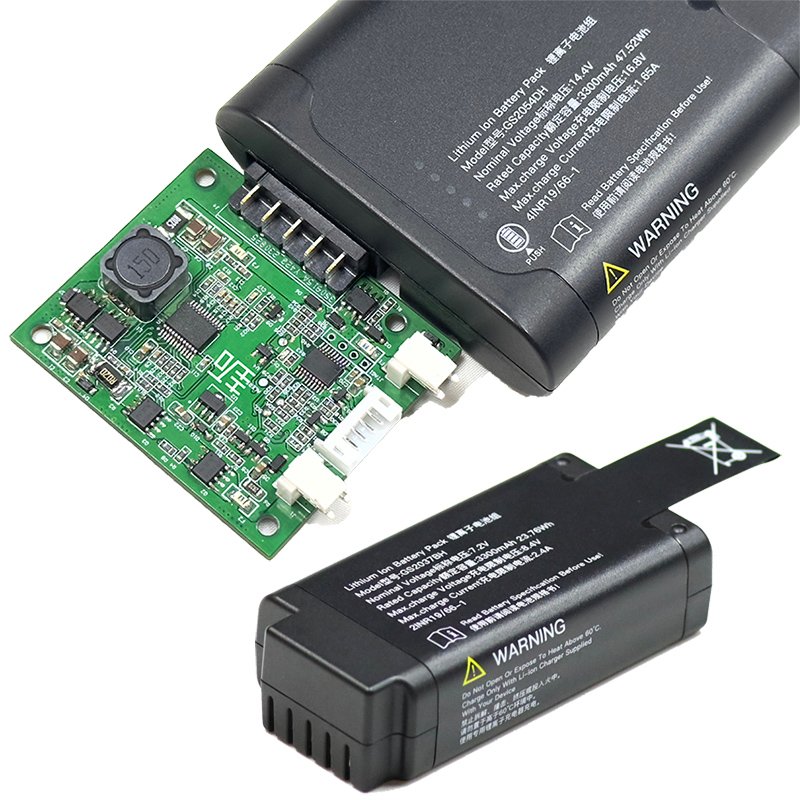
Another major strength comes from flexible assembly options. Standard cells can operate as single units, while multiple cells may be grouped and assembled into custom rechargeable battery packs for projects that call for higher voltage or larger capacity. For B2B buyers, this flexibility supports multiple product lines without switching to completely different cell formats.
Basic Usage Tips for Ni-MH AA Battery
Although this cell is user-friendly, following simple rules can greatly improve working performance and overall service lifespan.
- Use a Compatible Charger Always charge the cell with a charger purpose-built for Ni-MH chemistry. Smart charging hardware prevents dangerous overcharging and protects internal health.
- Avoid Mixing Old and New Battery Cells When devices run on multiple cells, do not mix cells of different ages or remaining charge levels. Mismatched sets reduce output performance and shorten usable life.
- Keep Contact Points Clean Dust and surface oxidation on battery terminals will interrupt electric current flow. Keeping metal contacts clean guarantees reliable performance inside lighting hardware and portable home devices.
- Store Battery Properly If you will not use the cells for an extended period, keep them stored in cool, dry surroundings. Suitable storage conditions lower self-discharge rates and keep them ready for later retail or project deployment.
These practical guidelines are particularly helpful for distributors stocking lighting goods powered by this cell which sit in warehouse inventory before selling to end-users.
Maintenance Tips to Extend Ni-MH AA Battery Lifespan
Correct maintenance maximizes the usable cycle count and cuts replacement frequency for end-users.
- Perform Occasional Charge Cycles If cells sit unused for several months, run one full charge-discharge cycle to preserve rated capacity.
- Avoid Deep Over-Discharge Many modern lighting devices shut off automatically before cells drain completely. This mechanism protects internal chemistry and sustains long-run working stability.
- Use Consistent Battery Sets For multi-cell equipment, deploy well-matched cell sets to maintain balanced charging and discharging cycles.
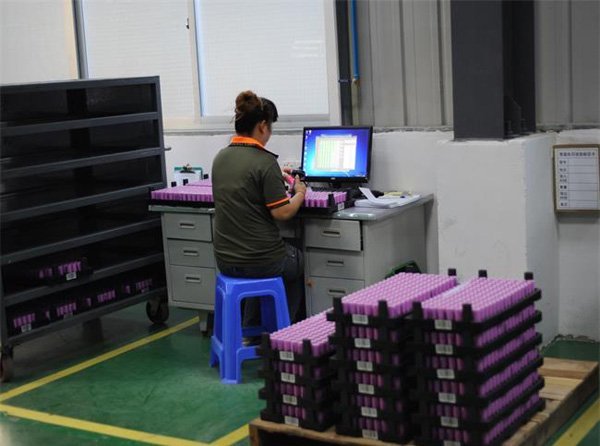
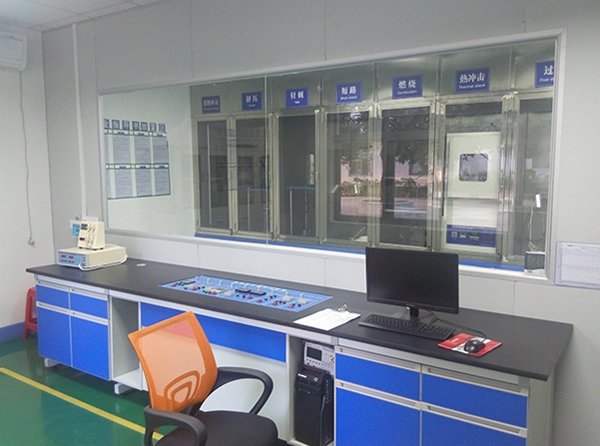
For factories building custom rechargeable battery pack solutions, matched cells and strict production QC are critical to guarantee stable performance of finished packs.
How to Choose a Reliable Supplier for Ni-MH AA Battery
For B2B purchasers and distributors, consistent quality carries higher priority than low per-unit price. Trustworthy battery suppliers deliver stable cell performance, standardized packaging and uniform batch-to-batch quality.
Most professional battery factories support OEM battery pack builds, private label printing and export-ready packaging for worldwide shipment. Standard compliance certifications such as CE and UL are common requirements for export-ready cells.
While planning bulk orders, buyers need to evaluate MOQ options, packaging styles, production lead-times and long-term supply reliability. You can learn more about battery safety standards via the official: IEC website
Conclusion
For lighting brands, home decor manufacturers and wholesale distributors, Ni-MH AA Battery remains a trustworthy rechargeable power option. With proper use and routine maintenance, it delivers dependable performance through many working cycles.
Whether deployed as standalone cells or integrated into assembled rechargeable battery packs, this cell stays a practical solution for portable lighting and smart home-device projects. Sourcing from experienced battery manufacturers helps you get stable quality, flexible packaging choices and dependable long-term supply for your business projects.
FAQ About Ni-MH AA Battery
What materials are used in a Ni-MH AA Battery?
It adopts nickel oxide hydroxide for the positive electrode and hydrogen-absorbing alloy as the negative electrode. This chemical system enables safe rechargeable operation and steady output in consumer as well as light-industrial equipment.
Is it suitable for lighting products?
Yes. It is widely fitted inside LED lamps, decorative lamps, solar lights and portable home units thanks to stable voltage output and hundreds of recharge cycles.
Can it be customized into battery packs?
Yes. Manufacturers frequently assemble multiple cells into larger rechargeable battery packs for applications requiring higher voltage or capacity.
What should distributors consider when buying in bulk?
Important factors contain MOQ, packaging specifications, batch-consistent quality and international shipping arrangements. Reliable vendors provide export-grade packaging plus private-label support.
Is there any safety risk when using it?
When paired with matching chargers and stored correctly, it offers good inherent safety. Always follow official usage recommendations to maintain stable, risk-free operation.