
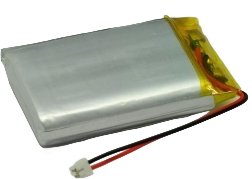
Polymer Lithium-Ion Battery Safety Operation Guidelines (Must-Know Rules)
Polymer Lithium-Ion Battery safety is critical because this battery type uses soft aluminum-laminated packaging, which is more flexible—but also more vulnerable—than traditional hard-shell batteries. Improper handling, storage, or transportation of a Polymer Lithium-Ion Battery may lead to performance degradation, internal short circuits, or even safety incidents.
This guide explains essential safety operation rules for Polymer Lithium-Ion Battery products, helping manufacturers, assemblers, and end users reduce risks and extend battery lifespan.
Polymer Lithium-Ion Battery Packaging Material Safety
The packaging material of a Polymer Lithium-Ion Battery is typically aluminum foil, which can be easily damaged by sharp objects.
- Aluminum foil packaging can be punctured by sharp components such as nickel tabs, needles, or metal debris
- Never collide a Polymer Lithium-Ion Battery with sharp tools or hard objects
- Keep the working environment clean and free from sharp items
- Do not pierce the battery with nails, blades, or other pointed tools
- Avoid storing or transporting Polymer Lithium-Ion Battery cells together with metal items such as necklaces, hairpins, or clips
Polymer Lithium-Ion Battery Edge and Corner Protection
The edges and corners of a Polymer Lithium-Ion Battery are particularly sensitive.
- The top sealing edge is the most vulnerable area
- Do not bend, fold, or twist the top seal
- The folded edges are completed during battery manufacturing and have passed sealing tests
- Never open, cut, or damage the folded edges
Polymer Lithium-Ion Battery Tab (Electrode Lead) Handling
The electrode tabs of a Polymer Lithium-Ion Battery are not designed to withstand excessive mechanical stress.
- Aluminum tabs have limited mechanical strength
- Avoid bending, pulling, or twisting the tabs
- Improper tab handling may cause internal connection failure or safety risks
Polymer Lithium-Ion Battery Mechanical Impact Safety
Mechanical damage is one of the most common causes of Polymer Lithium-Ion Battery failure.
- Do not drop, strike, or bend the battery cell
- Never hit the battery with a hammer or step on it
- Avoid throwing, crushing, or applying strong external force to the battery
Polymer Lithium-Ion Battery Short Circuit Prevention
Short circuits are extremely dangerous for any Polymer Lithium-Ion Battery.
- Never short-circuit the battery under any circumstances
- Do not use metal wires, tools, or conductive materials to connect the positive and negative terminals
- Short circuits may cause overheating, swelling, or permanent battery damage
Why Polymer Lithium-Ion Battery Safety Matters
Compared with hard-case batteries, a Polymer Lithium-Ion Battery offers lighter weight, flexible shape, and higher energy density, making it widely used in:
- Consumer electronics
- Medical devices
- Wearable equipment
- Industrial and IoT applications
However, these advantages also mean stricter safety requirements throughout handling, assembly, and transportation.
Learn More About Polymer Lithium-Ion Battery Solutions
If you are sourcing or integrating Polymer Lithium-Ion Battery solutions for your products, professional manufacturing standards and safety control are essential.
- Learn more about our company:
👉 About us - Contact our technical team for battery safety support:
👉 Contact us
For additional technical and safety standards related to Polymer Lithium-Ion Battery technology, you may refer to:
- Wikipedia – Lithium-ion battery
https://en.wikipedia.org/wiki/Lithium-ion_battery - IEC Battery Safety Standards
https://www.iec.ch/dyn/www/f?p=103:85:0::::FSP_LANG_ID:25