
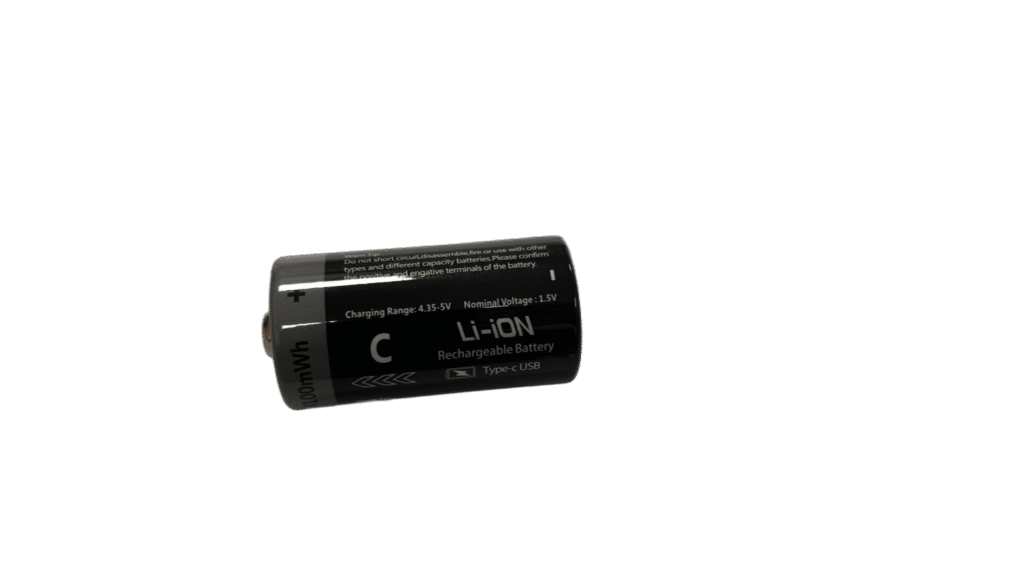
Lithium-ion battery safety is critical for modern electronic devices, electric vehicles, and energy storage systems. Despite their high energy density and widespread usage, lithium-ion batteries can pose serious safety risks during charging and discharging if proper precautions are not taken. Understanding the causes of accidents and implementing effective protection mechanisms is essential for manufacturers, engineers, and end-users.
Charging Hazards of Lithium-ion Batteries
When a lithium-ion cell is charged beyond its safe voltage threshold of 4.2V, adverse reactions may occur. Overcharging increases the risk of internal damage and can permanently reduce battery capacity. At voltages above 4.2V, lithium atoms remaining in the cathode decrease significantly, causing structural collapse in the electrode material. Meanwhile, the anode becomes saturated with lithium atoms, forcing excess lithium to deposit on the surface as metallic dendrites.
These dendritic structures can penetrate the separator, creating a short circuit between the anode and cathode. In some cases, the battery may even explode before a direct short occurs. The decomposition of the electrolyte generates gases that increase internal pressure. When oxygen enters and reacts with metallic lithium on the anode surface, it may trigger thermal runaway and explosions.
Similarly, excessive discharge can damage the battery. Lithium-ion cells should not be discharged below 2.4V, as materials start degrading. Due to self-discharge, maintaining a discharge cutoff around 3.0V is optimal, balancing safety and available capacity.
Current also plays a critical role: high charge or discharge currents prevent lithium ions from properly intercalating into electrode materials. Accumulated lithium atoms on the surface form crystals, creating conditions similar to overcharging, which can lead to fires or explosions if the casing is compromised.
Preventive Measures for Battery Safety
To ensure lithium-ion battery safety, systems should include at least three protections: a charge voltage limit, a discharge voltage limit, and a current limit. Most battery packs include a Battery Management System (BMS) or protection board that implements these three safeguards. However, protection boards alone cannot prevent all accidents, as global reports of lithium-ion battery explosions indicate.
For reliable safety, engineers must analyze the root causes of accidents and optimize battery chemistry, electrode design, thermal management, and cell balancing. Properly designed charging protocols, high-quality separators, and controlled current rates further reduce risks.
Conclusion
Understanding lithium-ion battery charging hazards and implementing effective preventive measures are crucial for safe operation. Limiting charge voltage to 4.2V, maintaining a discharge cutoff at 3.0V, and controlling current can significantly reduce the likelihood of accidents. Comprehensive BMS design and attention to material selection are key steps to protect devices, users, and infrastructure.