
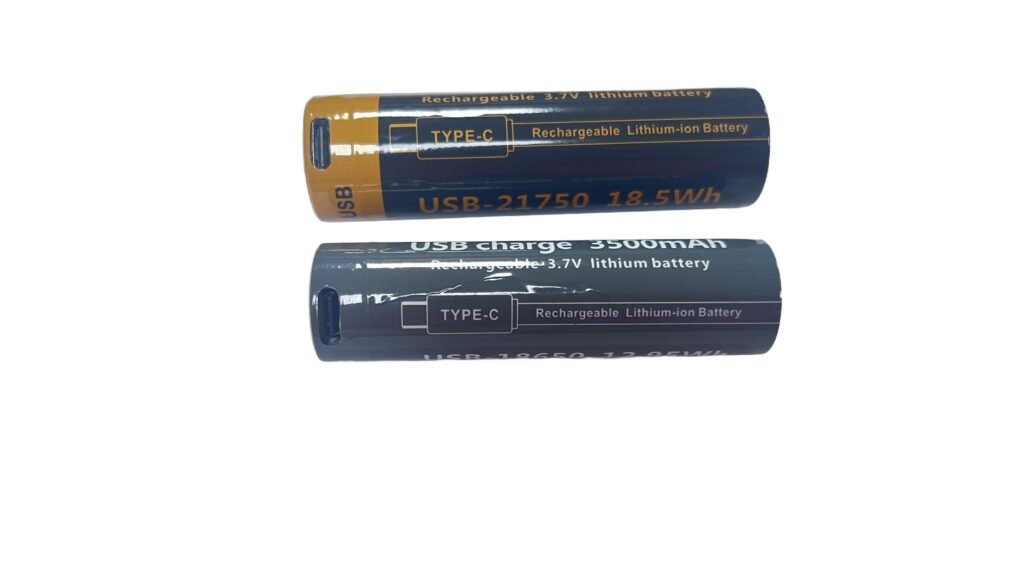
The USB rechargeable AA battery has become increasingly popular in lighting and home décor products. For distributors and OEM buyers, it offers a practical solution that combines convenience, sustainability, and modern charging technology. Instead of relying on traditional battery chargers, users can simply connect the battery to a USB power source, making it easier for consumers to recharge batteries anywhere.
In recent years, many manufacturers of decorative lighting, LED candles, portable lamps, and smart home accessories have started integrating products compatible with USB rechargeable batteries. For B2B buyers and distributors, understanding how these batteries work, how to maintain them, and where the market is heading can help guide better sourcing and product decisions.
Why USB Rechargeable AA Batteries Are Gaining Popularity
The shift toward USB rechargeable AA battery solutions is largely driven by convenience and sustainability. Consumers today prefer products that are easy to charge and environmentally friendly. A built-in charging interface allows batteries to be recharged directly from power banks, laptops, or wall adapters.
In the lighting and home décor sector, this convenience makes a difference. For example, rechargeable batteries are commonly used in LED table lamps, seasonal decorative lights, flameless candles, and remote-controlled lighting devices.
Another advantage is reduced accessory requirements. Traditional rechargeable batteries often require a separate charger, while AA lithium rechargeable batteries with USB charging simplify the user experience. For retailers and distributors, this also reduces the need to bundle additional charging equipment with products.
Practical Usage Guide for USB Rechargeable AA Batteries
Although the design is simple, a few usage practices can help ensure stable performance and longer battery life.
Use Reliable Power Sources
Charging from stable USB power sources such as wall adapters or power banks helps maintain consistent charging conditions.
Avoid Overloading Devices
While most modern batteries include built-in protection circuits, it is still recommended to use batteries in devices that match their voltage and power requirements.
Keep Charging Ports Clean
Dust or debris around the USB charging port may affect charging efficiency. For products used in decorative environments or retail displays, occasional cleaning helps maintain performance.
These small steps help ensure that lighting products powered by a USB rechargeable AA battery continue to operate smoothly for end users.
Maintenance Tips to Extend Battery Lifespan
Proper maintenance is especially important for distributors and wholesalers storing batteries before sale. Even though modern rechargeable batteries are designed for durability, basic storage practices help maintain quality.
Store in Moderate Conditions
Batteries should ideally be stored in a cool and dry environment. Extreme temperatures may affect long-term battery stability.
Charge Before Long-Term Storage
If batteries are stored for extended periods, maintaining a partial charge can help protect internal chemistry.
Use Consistent Battery Sets
When products require multiple AA batteries, keeping them as a matched set helps maintain balanced charging and discharging.
These practices are useful for distributors managing inventory of rechargeable AA batteries used in consumer electronics and lighting devices.
Market Trends for USB Rechargeable Batteries
The market for USB rechargeable AA battery products continues to grow as consumers adopt more portable and rechargeable devices. Several trends are shaping this segment.
First, more lighting brands are developing products designed specifically for rechargeable batteries rather than disposable cells. This aligns with sustainability goals and reduces long-term operating costs for consumers.
Second, e-commerce retailers and distributors increasingly favor rechargeable solutions that are easy to package and ship. Many USB rechargeable batteries are supplied in compact retail packaging suitable for global distribution.
Third, private label and OEM opportunities are expanding. Battery manufacturers often support custom packaging, branding, and bulk supply options to help distributors build their own product lines.
For buyers in the lighting and home décor market, partnering with experienced battery suppliers can help ensure stable product quality, reliable production capacity, and export-ready packaging that meets common international standards such as CE or UL concepts.
Conclusion
The USB rechargeable AA battery is quickly becoming a preferred power solution for many modern lighting and home décor products. Its convenient charging method, reusable design, and compatibility with everyday devices make it attractive to both consumers and distributors.
By following proper usage and maintenance practices, businesses can ensure that USB rechargeable batteries deliver stable performance throughout their lifecycle. For B2B buyers sourcing rechargeable battery solutions, selecting reliable suppliers and planning long-term supply strategies can help support growing demand in the rechargeable battery market.
FAQ About USB Rechargeable AA Battery
1. What is inside a USB rechargeable AA battery?
Most USB rechargeable AA batteries use lithium-based cells combined with built-in charging circuits and protection systems. These internal components allow the battery to be charged directly through a USB port.
2. Are USB rechargeable batteries suitable for lighting products?
Yes. They are widely used in LED candles, decorative lighting, remote controls, portable lamps, and other home electronics that require standard AA batteries.
3. Are USB rechargeable batteries safe to transport?
Most products designed for export include built-in safety protection and comply with standard battery transportation guidelines when properly packaged.