
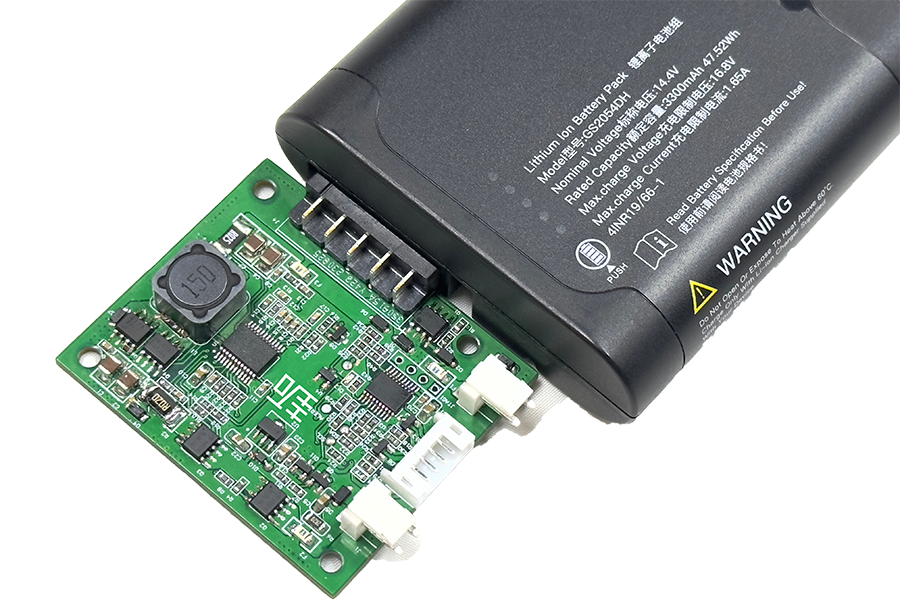
The replacement laptop battery market is growing steadily as laptops remain essential for work, study, and everyday use. Instead of replacing entire devices, many users now prefer cost-effective battery replacement solutions. This shift is driving demand for reliable replacement laptop battery products with stable performance, longer lifespan, and improved safety features. As technology evolves, battery quality and compatibility are becoming key factors influencing purchasing decisions across global markets.
One of the main trends in the replacement laptop battery industry is the improvement in energy efficiency and cycle life. Modern lithium-ion and lithium polymer cells are designed to deliver consistent power output while maintaining compact size. This is especially important for slim laptops and portable devices, where space and weight are limited. At the same time, advanced protection circuits help prevent overcharging, overheating, and short circuits, ensuring safer daily use.
Replacement Laptop Battery Technology and Compatibility Trends
Compatibility remains a core focus in the development of replacement laptop battery solutions. Products are increasingly designed to match original specifications in voltage, capacity, and connector types. This reduces the risk of mismatch and improves overall device performance. Clear compatibility listings and standardized designs also help streamline product selection and reduce return rates.
Manufacturing consistency is another critical factor. High-quality replacement laptop battery products undergo strict testing for voltage stability, cycle performance, and safety compliance. Certifications such as CE and UL further ensure that products meet international standards, making them suitable for global distribution and long-term use.
Supply Chain Stability and Product Availability
Supply chain efficiency plays an important role in the replacement laptop battery market. Stable production capacity, flexible minimum order quantities, and predictable lead times are essential for maintaining consistent product availability. Reliable packaging and transportation methods also ensure safe delivery, especially for international shipments involving lithium batteries.
As demand continues to grow, maintaining a stable supply of replacement laptop battery products becomes increasingly important. A well-structured supply chain helps reduce delays, improve inventory management, and support long-term business operations.
Future Outlook for Replacement Laptop Battery
Looking ahead, the replacement laptop battery market is expected to benefit from ongoing device usage and sustainability trends. Extending the life of electronic devices through battery replacement not only reduces costs but also supports environmental goals by minimizing electronic waste.
Innovations in battery materials and design will continue to improve performance, safety, and efficiency. As expectations for reliability increase, the demand for high-quality replacement laptop battery products will remain strong across different markets and applications.
If you are exploring stable supply and consistent quality, choosing the right partner for replacement laptop battery solutions can make a significant difference in long-term performance and market competitiveness.
FAQ About Replacement Laptop Battery
Q1: What materials are used in replacement laptop battery?
Most replacement laptop battery products use lithium-ion or lithium polymer cells, offering a balance of energy density, safety, and durability.
Q2: How reliable are replacement laptop battery products?
High-quality batteries are tested for cycle life, thermal stability, and voltage consistency, ensuring reliable long-term performance.
Q3: Where are replacement laptop battery products commonly used?
They are widely used in laptop repair, maintenance services, and consumer electronics markets where device lifespan needs to be extended.
Q4: Can replacement laptop battery products be customized?
Yes, options such as capacity, connectors, and packaging can often be adjusted based on different requirements.
Q5: What should be considered for bulk orders?
Key factors include product consistency, certification compliance, lead time, and safe shipping solutions.