
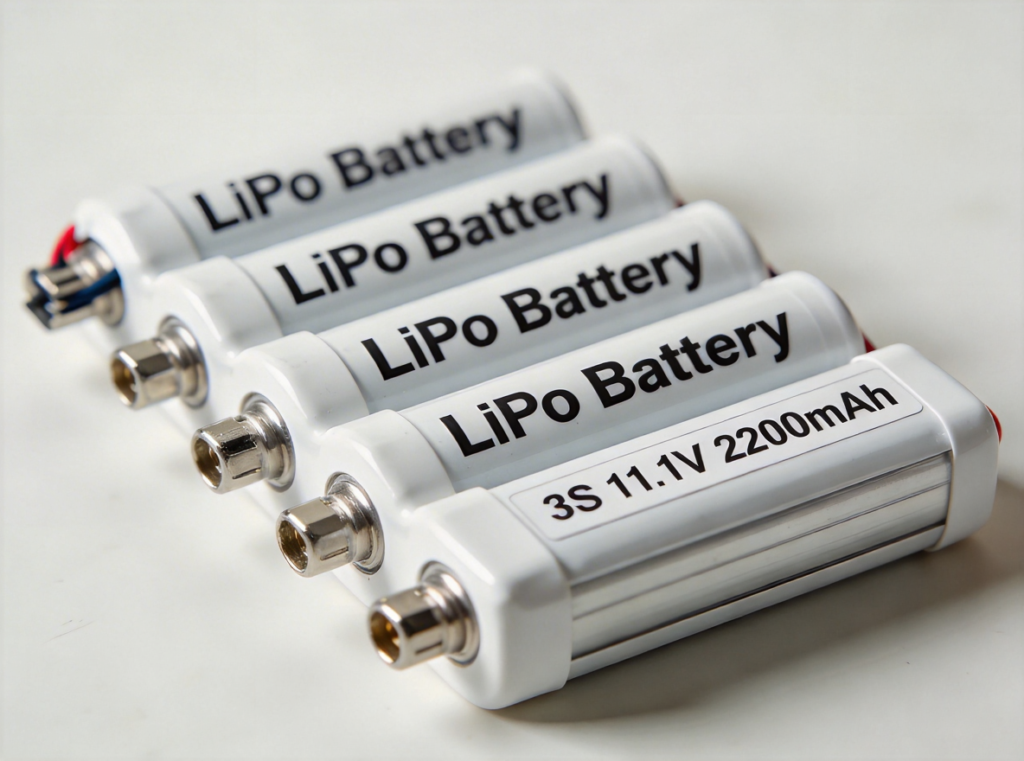
The polymer lithium battery market has grown rapidly in recent years as more compact and lightweight electronic devices enter everyday use. From wearable devices to smart home products and portable electronics, polymer batteries are becoming a preferred choice due to their flexible design and high energy density. Compared to traditional lithium-ion cells, polymer lithium batteries offer better adaptability in shape and size, making them ideal for modern product designs that require both performance and space efficiency.
One of the main advantages of the polymer lithium battery is its pouch structure, which allows manufacturers to customize dimensions based on specific device requirements. This flexibility is especially valuable in applications like smart wearables, medical devices, and wireless electronics, where internal space is limited. At the same time, improvements in material technology have enhanced cycle life and stability, making these batteries more reliable for long-term use.
Flexible Design and Expanding Applications
The growing demand for thinner and lighter devices has driven innovation in polymer lithium battery design. Unlike rigid cylindrical cells, polymer batteries can be produced in ultra-thin or irregular shapes, allowing seamless integration into compact products. This has opened new opportunities across industries such as smartwatches, Bluetooth devices, IoT systems, and healthcare equipment.
In addition to flexibility, polymer lithium battery solutions offer stable discharge performance and lower self-discharge rates. These features are particularly important for devices that require consistent power output over extended periods. As a result, manufacturers increasingly prioritize battery consistency and quality control to ensure reliable performance across different applications.
Manufacturing Stability and Quality Considerations
Consistency in production is a key factor in the polymer lithium battery supply chain. High-quality batteries require strict control over materials, assembly processes, and testing procedures. This includes voltage stability testing, cycle life evaluation, and safety performance verification.
Certifications such as CE and UL are commonly required to meet international market standards. Reliable packaging and transportation solutions are also essential, especially for global shipments involving lithium batteries. Proper packaging not only ensures safety but also helps reduce the risk of damage during transit.
Supply Chain and Market Demand Trends
As demand continues to rise, stable supply and efficient production capacity are becoming increasingly important in the polymer lithium battery market. Flexible minimum order quantities and predictable lead times help businesses manage inventory and respond to market changes more effectively.
Another noticeable trend is the growing focus on environmentally friendly solutions. By improving battery lifespan and reducing replacement frequency, polymer lithium batteries contribute to lower electronic waste. This aligns with global sustainability goals and encourages wider adoption across various industries.
Future Outlook for Polymer Lithium Battery
Looking ahead, the polymer lithium battery market is expected to benefit from ongoing advancements in battery materials and energy efficiency. As devices continue to evolve toward smaller, smarter, and more portable designs, the demand for flexible and high-performance batteries will remain strong.
For businesses seeking reliable power solutions, choosing a stable and consistent polymer lithium battery supply can support long-term product performance and market competitiveness.
FAQ About Polymer Lithium Battery
Q1: What is the structure of a polymer lithium battery?
It typically uses a pouch-type structure with a lithium polymer electrolyte, allowing flexible shapes and a lightweight design.
Q2: How reliable are polymer lithium batteries?
With proper manufacturing and quality control, they offer stable performance, long cycle life, and strong safety features.
Q3: Where are polymer lithium batteries commonly used?
They are widely used in wearables, medical devices, smart electronics, and IoT applications.
Q4: Can polymer lithium batteries be customized?
Yes, size, capacity, shape, and connectors can be tailored based on different device requirements.
Q5: What should be considered for bulk orders?
Key factors include consistency, certification, packaging safety, and lead time for delivery.