
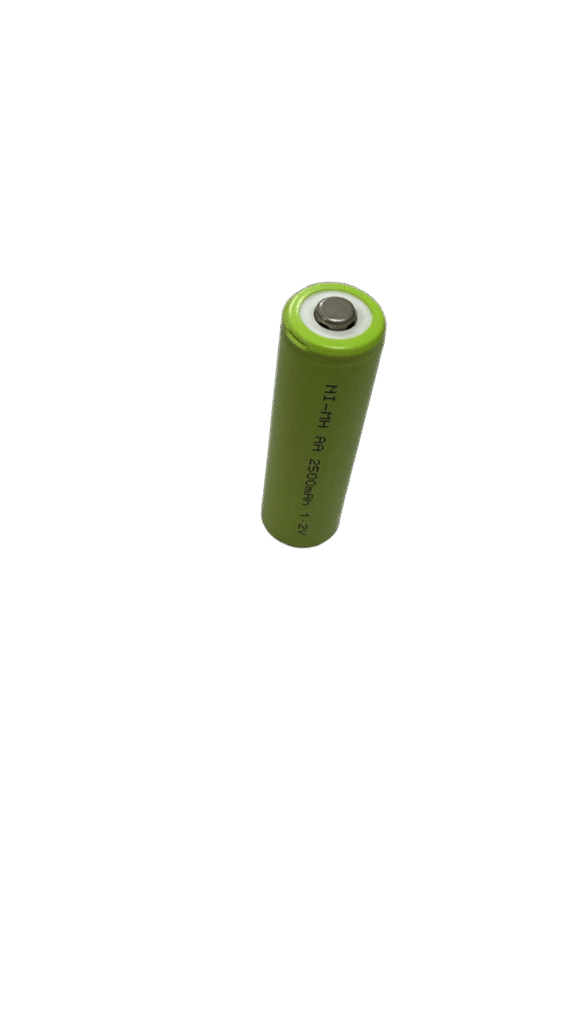
Why Ni-MH AA Batteries Are Widely Used in Lighting and Home Decor
In many lighting and decorative products, power demand is moderate but consistent. This is where a Ni-MH rechargeable battery performs well. Compared with disposable batteries, Ni-MH cells can be recharged hundreds of times, making them more economical and environmentally friendly for long-term use.
Manufacturers and distributors also appreciate their stable discharge curve. For example, in decorative LED lighting or sensor-based home devices, a stable voltage helps prevent flickering or unstable brightness.
Another advantage is flexibility. Standard AA cells can be used individually, while multiple cells can be assembled into a rechargeable Ni-MH battery pack for products requiring higher voltage or capacity.
For B2B buyers, this versatility means a single battery technology can support multiple product lines.
Basic Usage Tips for Ni-MH AA Batteries
Although Ni-MH batteries are easy to use, a few simple habits can significantly improve performance and lifespan.
1. Use a Compatible Charger
Always charge Ni-MH batteries with a charger designed for Ni-MH chemistry. Smart chargers help prevent overcharging and maintain battery health.
2. Avoid Mixing Old and New Batteries
In products using multiple AA batteries, mixing batteries with different charge levels or ages may reduce performance and shorten battery life.
3. Keep Contact Points Clean
Dust or oxidation on battery terminals can interrupt current flow. Keeping contacts clean ensures stable operation in lighting products and portable devices.
4. Store Batteries Properly
If the batteries are not used for an extended period, store them in a cool, dry environment. Moderate storage conditions help reduce natural self-discharge.
These simple practices are especially useful for distributors supplying battery-powered lighting products that remain in storage before retail sale.
Maintenance Tips to Extend Battery Lifespan
Proper maintenance can help maximize the life of a Ni-MH rechargeable battery and reduce replacement frequency for end users.
Perform Occasional Charge Cycles
If batteries are stored for several months, performing one full charge cycle helps maintain capacity.
Avoid Deep Over-Discharge
Many modern devices automatically shut down before batteries are completely drained. This helps protect battery chemistry and maintain long-term stability.
Use Consistent Battery Sets
For products powered by multiple AA cells, keeping batteries in matched sets helps maintain balanced charging and discharging.
For manufacturers building rechargeable Ni-MH battery pack solutions, balanced cells and consistent production quality are also important factors in ensuring stable performance.
Choosing the Right Battery Supplier
For B2B buyers and distributors, battery quality consistency is often more important than single-unit price. Reliable suppliers usually provide stable cell performance, standardized packaging, and consistent production batches.
Many professional battery manufacturers also support OEM battery packs, private labeling, and export packaging suitable for international shipping. Common industry certifications such as CE or UL compliance concepts are typically part of export-oriented battery products.
When planning bulk purchasing, buyers usually consider factors such as MOQ, packaging format, delivery lead time, and long-term supply capability.
Conclusion
For lighting brands, home decor manufacturers, and distributors, the Ni-MH AA battery continues to be a dependable rechargeable power solution. With proper usage and maintenance, a Ni-MH rechargeable battery can deliver stable performance across many product cycles.
Whether used as individual AA cells or integrated into a rechargeable Ni-MH battery pack, these batteries remain a practical choice for many portable lighting and home device applications.
For buyers looking to source reliable battery solutions, working with experienced manufacturers can help ensure consistent quality, flexible packaging options, and stable supply for long-term projects.
FAQ About Ni-MH AA Battery
1. What materials are used in a Ni-MH AA battery?
A Ni-MH AA battery uses nickel oxide hydroxide as the positive electrode and a hydrogen-absorbing alloy as the negative electrode. This chemistry allows safe rechargeable operation and stable performance in consumer and industrial devices.
2. Are Ni-MH batteries suitable for lighting products?
Yes. Ni-MH batteries are widely used in LED lights, decorative lamps, solar lights, and portable home devices because they provide stable voltage and can be recharged many times.
3. Can Ni-MH batteries be customized into battery packs?
Yes. Manufacturers often assemble multiple cells into a rechargeable Ni-MH battery pack for products requiring higher voltage or capacity.
4. What should distributors consider when buying in bulk?
Typical considerations include MOQ, packaging format, production consistency, and shipping arrangements. Reliable suppliers usually offer export packaging and support for private labeling.
5. Is there any safety risk when using Ni-MH batteries?
When used with proper chargers and stored correctly, Ni-MH batteries are considered safe and stable. Following recommended charging and usage guidelines helps ensure reliable performance.