
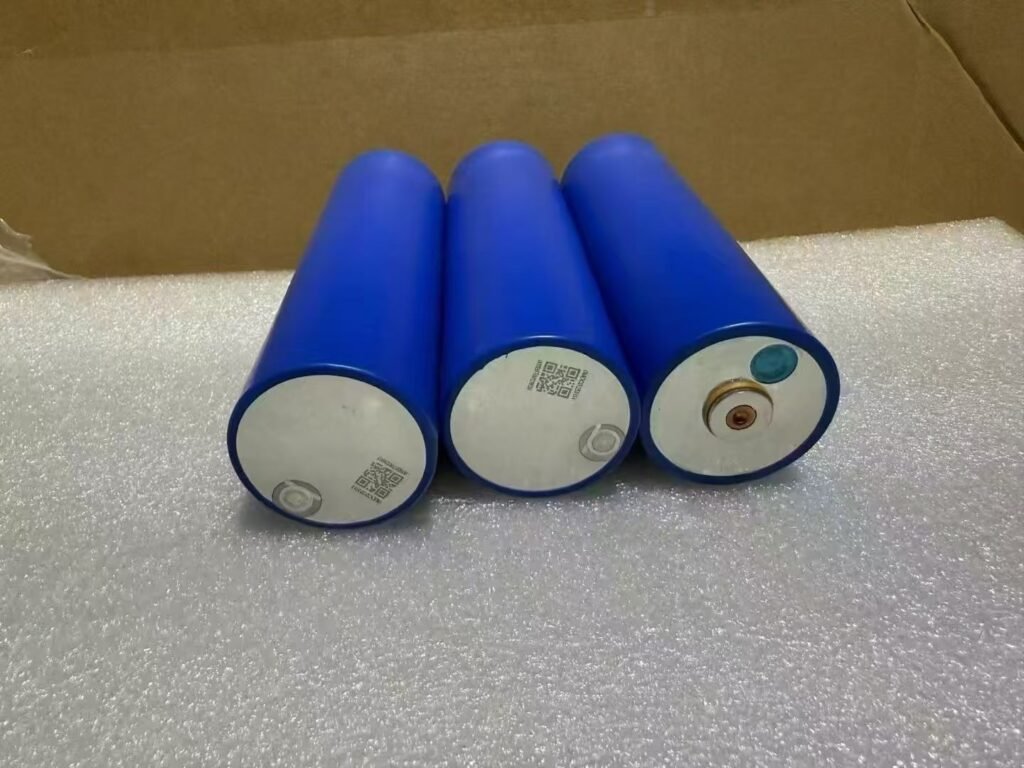
Lithium Primary Battery: Types, Advantages, and Long-Term Power Solutions
A lithium primary battery is a non-rechargeable power source designed for devices requiring long-term, reliable performance. Unlike lithium-ion rechargeable batteries, lithium primary batteries provide higher energy density and excellent stability, even in harsh environments. They are widely used in medical devices, remote sensors, and backup power systems.
1. What Is a Lithium Primary Battery?
A lithium primary battery uses lithium metal as its anode and is designed for one-time use. It cannot be recharged but offers superior energy density and voltage stability compared to alkaline or zinc-based batteries. These features make it ideal for critical applications where reliability and long-term operation are essential.
2. Types of Lithium Primary Batteries
- Lithium Manganese Dioxide (LiMnO₂):
Common in medical and military equipment; offers high voltage and long-term stability. - Lithium Thionyl Chloride (LiSOCl₂):
Suitable for industrial and remote sensors; extremely low self-discharge and wide temperature tolerance. - Lithium Iron Disulfide (LiFeS₂):
Ideal for cameras, flashlights, and handheld devices; high energy output and safety.
3. Advantages of Lithium Primary Batteries
- High Energy Density: Delivers more power in smaller, lighter packages.
- Long Shelf Life: Can last over 10 years, ideal for backup and storage use.
- Wide Temperature Range: Performs from -40°C to +70°C.
- Low Self-Discharge Rate: Retains energy even when stored long-term.
- Stable Voltage: Ensures reliable operation in critical applications.
4. Applications of Lithium Primary Batteries
- Medical Devices: Pacemakers, hearing aids, and portable diagnostic tools.
- Military & Aerospace: GPS units, communication devices, and sensors.
- Consumer Electronics: Cameras, flashlights, and remote controls.
- IoT & Remote Monitoring: Used in industrial and environmental sensors.
- Backup Systems: Power source for emergency and security systems.
5. Best Practices for Using Lithium Primary Batteries
- Store in a cool, dry environment (below 30°C).
- Avoid attempting to recharge — they are single-use only.
- Select the correct lithium chemistry based on your device’s power and environmental requirements.
Conclusion
The Lithium Primary Battery remains a top choice for applications demanding dependable, long-lasting energy. Its exceptional energy density, safety, and durability make it ideal for medical, military, and industrial use. Whether powering a pacemaker or remote sensor, lithium primary batteries provide the stability and endurance needed for modern technology.