
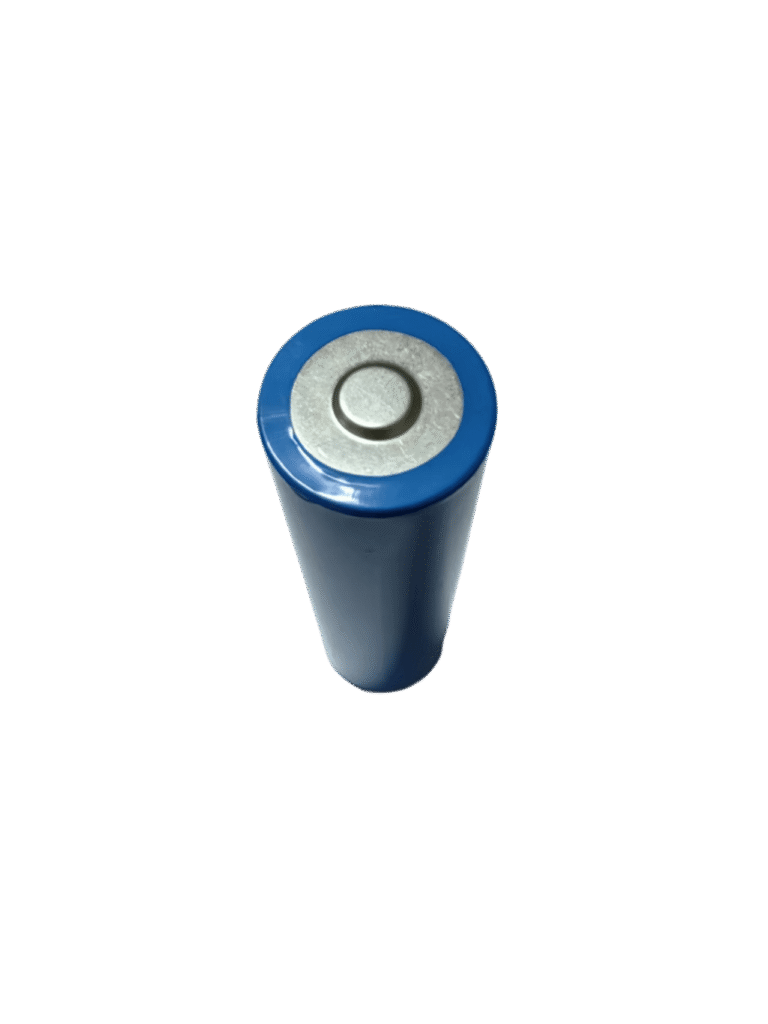
The lithium-ion battery manufacturing process involves a precise series of steps designed to ensure stable performance, high capacity, and long-term safety. From material preparation to safety testing, each stage plays a vital role in producing reliable batteries used in medical devices, tools, and electronics.
1️⃣ Material Preparation
In the first stage of the lithium-ion battery manufacturing process, positive and negative electrode materials are prepared. Special solvents and binders are mixed with powdered active substances to create a uniform slurry. This slurry becomes the foundation for the electrodes that store and release energy efficiently.
2️⃣ Coating Process
The prepared slurry is evenly coated onto metal foils — typically aluminum for the positive electrode and copper for the negative electrode. After coating, the foils are dried and compressed to create smooth and uniform electrode sheets. This step ensures consistent conductivity and energy density in the finished lithium-ion battery.
3️⃣ Cell Assembly
The battery cell is then assembled in a clean environment. The layers are stacked or wound in the order of positive electrode → separator → negative electrode → separator. After winding, electrolyte is injected, and the cell is sealed. This process completes the assembly of a lithium-ion battery cell, preparing it for initial charging and testing.
4️⃣ Formation and Testing
During formation, the cell undergoes controlled charging and discharging using dedicated equipment. This activates the electrochemical materials and stabilizes performance. Each cell is tested for voltage, capacity, and internal resistance — ensuring that only qualified lithium-ion batteries proceed to packaging and shipment.
🔒 Safety Features of Lithium-ion Batteries
Safety is a critical part of the lithium-ion battery manufacturing process. Engineers apply multiple protection mechanisms to ensure stable performance even under extreme conditions.
- Automatic Shutdown Separator (135°C Protection):
The battery uses a multi-layer PE-PP-PE separator. When the temperature reaches 120°C, the PE layers close their pores to slow heat buildup. At 135°C, the PP layer shuts down entirely, cutting off current and preventing thermal runaway. - Electrolyte Additives:
When overcharging above 4.2V, special additives cause polymerization reactions that increase internal resistance, preventing further heating or damage. - Vented Safety Cap Design:
The cell cap includes a pre-cut vent structure that releases gas safely when pressure builds, avoiding explosions. - Abuse and Durability Tests:
Lithium-ion batteries are tested against short circuits, overcharging, puncture, impact, burning, vibration, and drop — all to ensure real-world safety and reliability.
⚙️ Key Battery Specifications Explained
Charging Limit Voltage
The voltage at which charging transitions from constant current to constant voltage, as defined by the manufacturer.
Rated Capacity
The total amount of charge (in mAh or Ah) that a battery can deliver under specified discharge conditions at 20°C ±5°C.
Nominal Voltage
An approximate voltage used to represent the typical operating voltage of the lithium-ion battery.
Cut-off Voltage
The voltage at which discharge stops, typically calculated as n × 2.75V, where n is the number of cells in series.
🔋 Why Charging Current Decreases During Constant Voltage
When the lithium-ion battery reaches its constant voltage stage, ion polarization gradually decreases under a steady electric field. As the internal resistance increases, the current naturally declines — ensuring controlled and safe charging.
📏 Understanding Battery Capacity
Battery capacity represents the total charge a battery can deliver.
- Rated Capacity: The designed minimum output under standard conditions.
- Actual Capacity: The measured energy output, which varies with temperature and discharge rate.
Lithium-ion batteries are tested under precise conditions — typically constant current and constant voltage at 4.2V — to ensure accuracy and reliability.
✅ Conclusion
The lithium-ion battery manufacturing process is a combination of advanced materials, precision engineering, and strict quality control. Every step — from mixing to formation and safety testing — ensures that the final product is reliable, efficient, and safe for long-term use across industries.