
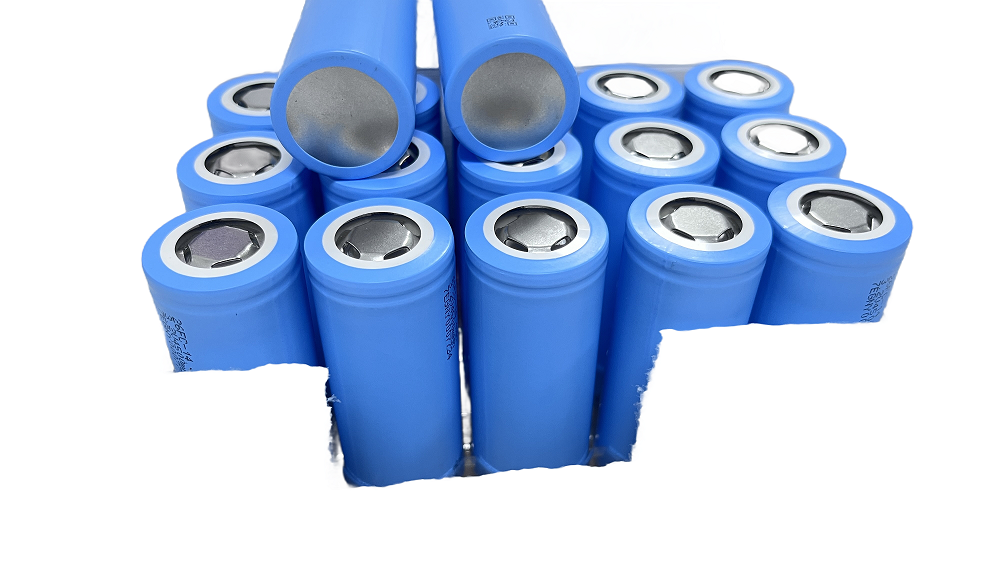
Introduction to Lithium-ion Battery Pre-Use Inspections
Ensuring the safety and performance of a Lithium-ion Battery starts with rigorous inspections of its components before use. Pre-use inspections focus on cover plates, moisture control, electrolyte injection, and overall assembly quality.
Cover Plate Inspections for Lithium-ion Batteries
Before a Lithium-ion Battery is assembled:
- Dimensional checks: Ensure correct shape, thickness, and size.
- Insulation and sealing tests: Check for effective insulation and leak prevention.
- Corrosion resistance: Test material durability to prevent long-term damage.
Maximum Pressure: Battery cover plates must withstand up to 0.4 MPa without deformation or leakage.
Leakage Prevention Tips:
- Secure welding between the cover and casing. Ensure welds are uniform and crack-free.
- Use steel balls with an appropriate size and material that match the cover cap for sealing.
- Ensure positive pole contact is tight and insulating seals are elastic and corrosion-resistant.
Controlling Moisture in Lithium-ion Battery Production
Moisture is a major factor affecting battery performance. Effective control includes:
- Minimizing exposure time in the air during assembly.
- Transporting completed cells promptly to the next process.
- Maintaining relative humidity in drying rooms below 6%.
- Limiting door openings and avoiding wet cleaning methods.
Impact of Excess Humidity: Increases water absorption in cells, reducing capacity and raising internal pressure.
Pre-Electrolyte Injection Procedures
Before injecting electrolyte into a Lithium-ion Battery:
- Apply adhesive and perform vacuum baking to remove moisture and solvents.
- Weigh the battery to calculate precise electrolyte volume.
- Inject electrolyte manually or automatically.
- Verify electrolyte fill using vacuum suction: liquid rises = full.
Electrolyte Details:
- Conductive component: LiPF6
- Concentration: 1 mol/L
- Solvent function: dissolves the electrolyte for ionization
- Conductivity range: 8×10⁻³ Ω⁻¹, affecting internal resistance and discharge rate.
Factors Affecting Lithium-ion Battery Capacity and Internal Resistance
- Electrode Materials: Type, properties, and active material ratios of positive and negative electrodes.
- Electrolyte: Concentration and chemical composition.
- Manufacturing Process: Proper control of drying, coating, and assembly methods.
- External Materials: Case and tab conductivity, welding quality.
Measuring During Production: Internal resistance can be tested even when the battery is charged to ensure consistent quality.
Formation Process for Large Capacity Lithium-ion Batteries
During formation using a formation machine, monitor:
- Total battery power to avoid exceeding machine limits.
- Gradual current changes to prevent over-stress and ensure uniform activation of cells.
Conclusion:
Pre-use inspections of cover plates, strict moisture control, precise electrolyte injection, and monitoring of internal resistance are critical steps in producing high-performance and safe Lithium-ion Batteries. Following these steps ensures batteries deliver optimal capacity, long life, and reliable operation.