
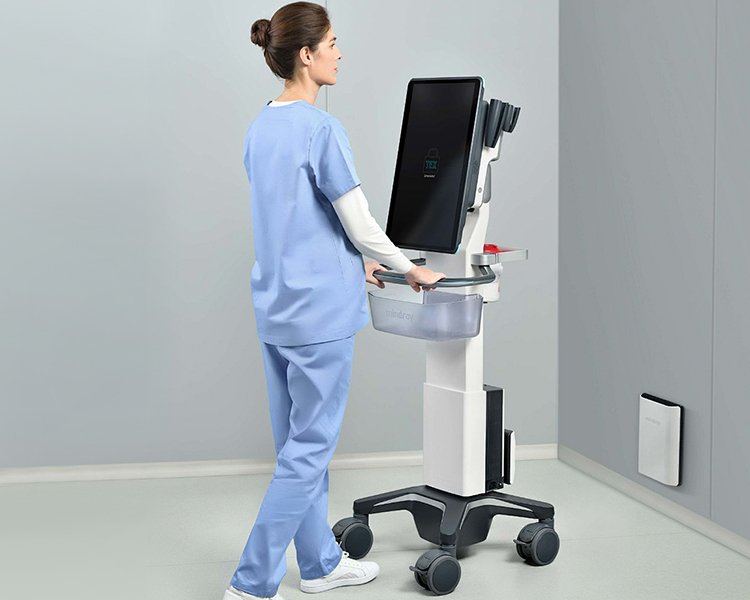
In recent years, lithium-ion batteries in medical devices have become increasingly important as healthcare technology continues to advance. With the rapid development of the electronics industry, medical equipment is moving toward miniaturization, integration, and portability, creating a strong demand for compact and high-performance power solutions.
Compared with traditional batteries, lithium-ion batteries offer higher energy density, lighter weight, and more stable voltage output, making them an ideal choice for modern medical systems. For manufacturers and distributors in the medical and electronics sectors, understanding these applications is essential for selecting reliable battery solutions.
Key Applications of Lithium-Ion Batteries in Medical Systems
Hearing Aids and Portable Medical Devices
One of the most common uses of lithium-ion batteries in medical devices is in hearing aids and other small portable electronics. Replacing traditional primary batteries with rechargeable lithium-ion batteries helps reduce long-term costs and minimizes environmental impact.
In addition, lithium-ion batteries provide a more stable voltage output, which helps maintain consistent performance in hearing devices. This stability is crucial, as voltage drops in traditional batteries can directly affect sound quality and user experience.
Implantable and Non-Life-Support Devices
Lithium-ion batteries are also used in certain implantable or non-life-support medical devices, such as cardiac-related equipment and monitoring systems. These applications require batteries that offer long cycle life, compact size, and reliable performance over time.
As medical technology evolves, the demand for safe and efficient battery solutions continues to grow, especially in devices where a consistent power supply is critical.
Why Lithium-Ion Batteries Fit Modern Medical Technology
The trend toward miniaturization and integration in medical electronics is one of the key reasons lithium-ion batteries are widely adopted. Traditional battery technologies often struggle to meet the requirements of modern micro-electromechanical systems (MEMS), such as:
- Micro sensors
- Micro actuators
- Integrated medical monitoring systems
These systems require batteries that are not only small but also capable of delivering sufficient energy within a limited space.
Lithium-ion batteries meet these needs by offering:
- High energy density
- Compact size
- Lightweight structure
- Flexible design options for integration
This makes them a preferred power solution for next-generation medical devices.
Market Trends and Future Outlook
As healthcare equipment continues to evolve, the role of lithium-ion batteries in medical devices is expected to expand further. The demand is driven by several key trends:
- Increasing use of portable and wearable medical devices
- Growth in home healthcare and remote monitoring systems
- Rising demand for compact and integrated electronic components
For B2B buyers and distributors, this creates opportunities to source high-quality lithium battery solutions that meet medical industry requirements. Suppliers with stable production capabilities, consistent quality control, and compliance with common standards (such as CE or UL concepts) are becoming increasingly important partners.
Conclusion
The application of lithium-ion batteries in medical devices continues to grow as medical technology advances toward smaller, smarter, and more portable systems. From hearing aids to micro-electronic medical equipment, these batteries provide the performance, reliability, and flexibility required in modern healthcare applications.
For manufacturers and distributors, choosing the right battery solution is key to ensuring product quality and long-term performance. As the industry evolves, lithium-ion batteries will remain a critical component in powering the future of medical technology.
FAQ About Lithium-Ion Batteries in Medical Devices
1. Why are lithium-ion batteries widely used in medical devices?
They offer high energy density, lightweight design, and stable voltage output, which are essential for compact and reliable medical equipment.
2. Are lithium-ion batteries suitable for small medical devices?
Yes. They are ideal for devices such as hearing aids, portable monitors, and wearable medical equipment due to their small size and efficiency.
3. How do lithium-ion batteries improve device performance?
They provide stable voltage, which helps ensure consistent operation and better performance compared to traditional batteries.
4. What should buyers consider when sourcing medical batteries?
Key factors include product consistency, safety design, certification compliance, MOQ, and supplier reliability.
5. Are lithium-ion batteries safe for medical applications?
When properly designed and tested, lithium-ion batteries are safe and widely used in many medical devices worldwide.