
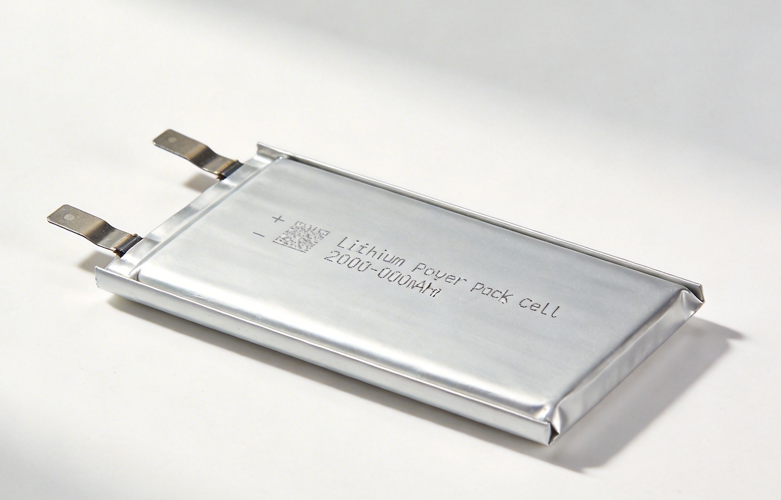
Lithium Polymer (LiPo) batteries have become the go-to power solution for a wide range of applications, from lighting devices to portable home decor electronics. LiPo battery technology offers high energy density, lightweight design, and flexible shapes, making them ideal for modern devices.
How LiPo Batteries Are Made
LiPo batteries differ from traditional lithium-ion cells due to their soft packaging and flexible form factor. The manufacturing process involves layering thin electrodes and separators within a soft polymer pouch. This design not only reduces weight but also allows for custom shapes and sizes that fit compact devices. Suppliers often highlight certifications such as CE and UL to ensure quality and safety compliance, and many offer tailored solutions to meet MOQ, delivery times, and packaging requirements for bulk orders.
Usage Guide for LiPo Batteries
When integrating LiPo batteries into products, it’s crucial to follow proper charging and handling protocols. Overcharging, deep discharging, or exposing the battery to high temperatures can shorten its lifespan. Many B2B clients use LiPo batteries in applications like decorative LED lights, smart home devices, and compact consumer electronics. Ensuring consistent voltage output and stable energy delivery is critical for both safety and performance, especially when supplying multiple units to distributors or retail channels.
Maintenance Tips to Extend Battery Life
Proper maintenance can dramatically increase a LiPo battery’s cycle life. Store batteries in a cool, dry place and avoid full charge or discharge when not in immediate use. Regular inspections for swelling, punctures, or corrosion are necessary to prevent failures. Additionally, pairing the battery with compatible chargers and monitoring systems can enhance safety and reliability, which is particularly important in B2B supply chains where bulk shipments must meet strict quality standards.
Market Trends
The demand for LiPo batteries continues to rise, driven by the growth of compact electronics and portable lighting solutions. Manufacturers are focusing on higher energy density, thinner profiles, and faster charging capabilities. For distributors, sourcing from reliable suppliers with consistent production and quality assurance processes ensures a stable supply and strengthens business relationships.
FAQ About LiPo Battery
1. What makes LiPo batteries different from traditional lithium-ion cells?
LiPo batteries use a soft polymer pouch instead of a rigid casing, allowing for lighter weight and flexible shapes.
2. How can I ensure the quality of bulk orders?
Check supplier certifications (CE, UL), inspect samples, and confirm consistent voltage and capacity ratings.
3. What maintenance practices extend LiPo battery life?
Store in a cool, dry environment, avoid overcharging/discharging, and inspect regularly for physical damage.
4. Can LiPo batteries be customized for different products?
Yes, our manufacturer offers custom sizes, capacities, and packaging to meet product-specific requirements.
5. What safety measures should be followed?
Use compatible chargers, avoid punctures or high temperatures, and monitor battery conditions during storage and transport.