
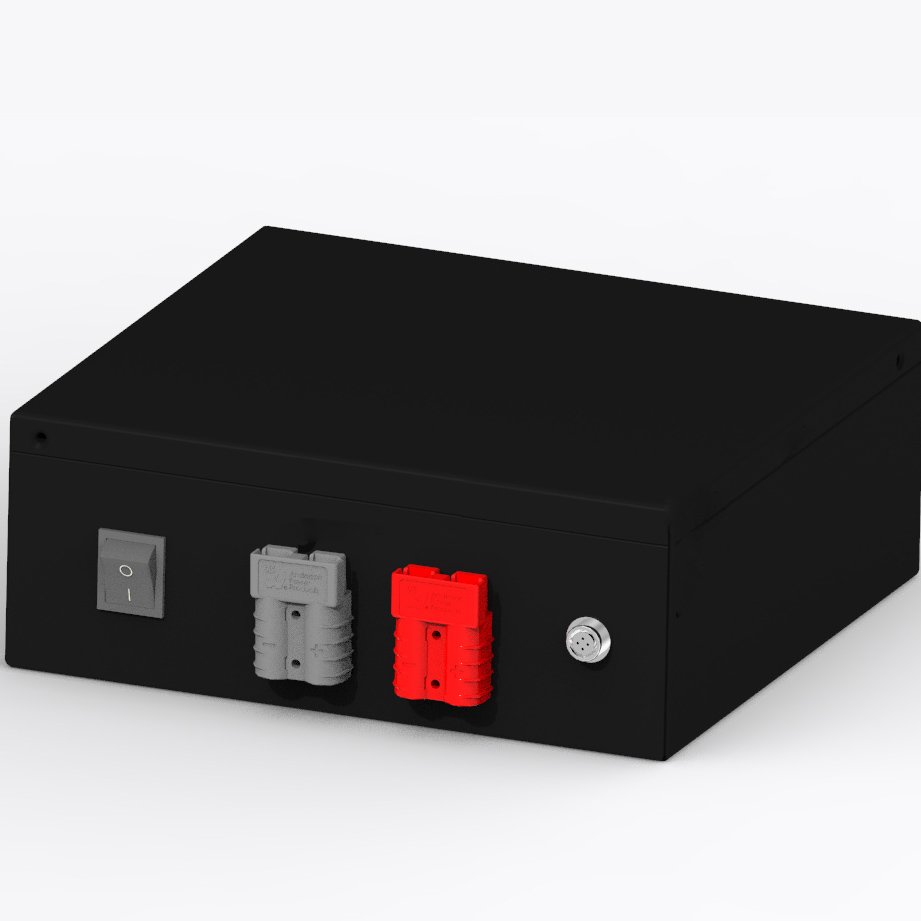
Battery design is a systematic process that determines not only the performance of a battery—such as voltage, capacity, and lifespan—but also its mechanical structure, safety, and long-term reliability. A complete battery design process typically includes performance design and structural design. Below is a clear breakdown of the general procedures of battery design used in modern lithium-ion and other rechargeable battery technologies.
1. Comprehensive Analysis of Technical Requirements
The first step of battery design is to evaluate all required technical specifications and identify the key challenges.
Typical technical indicators include:
- Working voltage & voltage accuracy
- Working current
- Operating time
- Mechanical load
- Lifespan
- Operating temperature
Among these, the most critical factors are:
- Working voltage (and accuracy)
- Battery capacity
- Service life
Understanding these requirements ensures that the battery system will properly support the application—whether it is a medical device, portable electronics, industrial tools, or energy storage systems.
2. Performance Design
After identifying the key requirements, engineers enter the second stage: performance design.
Key tasks include:
● Determine the optimal current density
The current density must support stable performance without compromising safety or lifespan.
● Select the appropriate manufacturing process
Different battery types require different processing methods such as winding, stacking, coating thickness, and electrolyte formulation.
● Voltage and capacity design
Based on the required output, engineers define:
- Nominal voltage
- Cutoff voltage
- Rated capacity
- Design capacity (to ensure cycle performance)
● Choose active materials and proportions
This includes selecting and balancing:
- Cathode active materials (e.g., NCM, LCO, LFP)
- Anode materials (e.g., graphite)
- Electrolyte system
- Additives for lifespan, stability, and SEI formation
● Determine materials for lifespan design
This includes choosing:
- Separator type
- Shell/casing material
- Safety components
These choices directly influence cycle life, safety performance, and environmental adaptability.
3. Structural Design
Once the electrical performance is determined, engineers proceed with structural design, which defines the physical layout of the battery.
Structural design includes:
● External dimensions
- Length, width, height
- Cell shape (cylindrical, pouch, prismatic)
● Cell casing design
- Aluminum shell, steel shell, polymer pouch
- Thickness & mechanical resistance
● Electrolyte formulation and injection design
● Separator layout and placement
● Design of conductive components
- Current collectors
- Tabs
- Venting structure
- Gas release holes
● Battery pack system design (for multi-cell packs)
- Cell configuration
- BMS (Battery Management System) integration
- Thermal management or heating system
- Internal insulation and protection materials
- External casing and structural reinforcement
This ensures that the battery pack performs safely and efficiently under various operating conditions.