
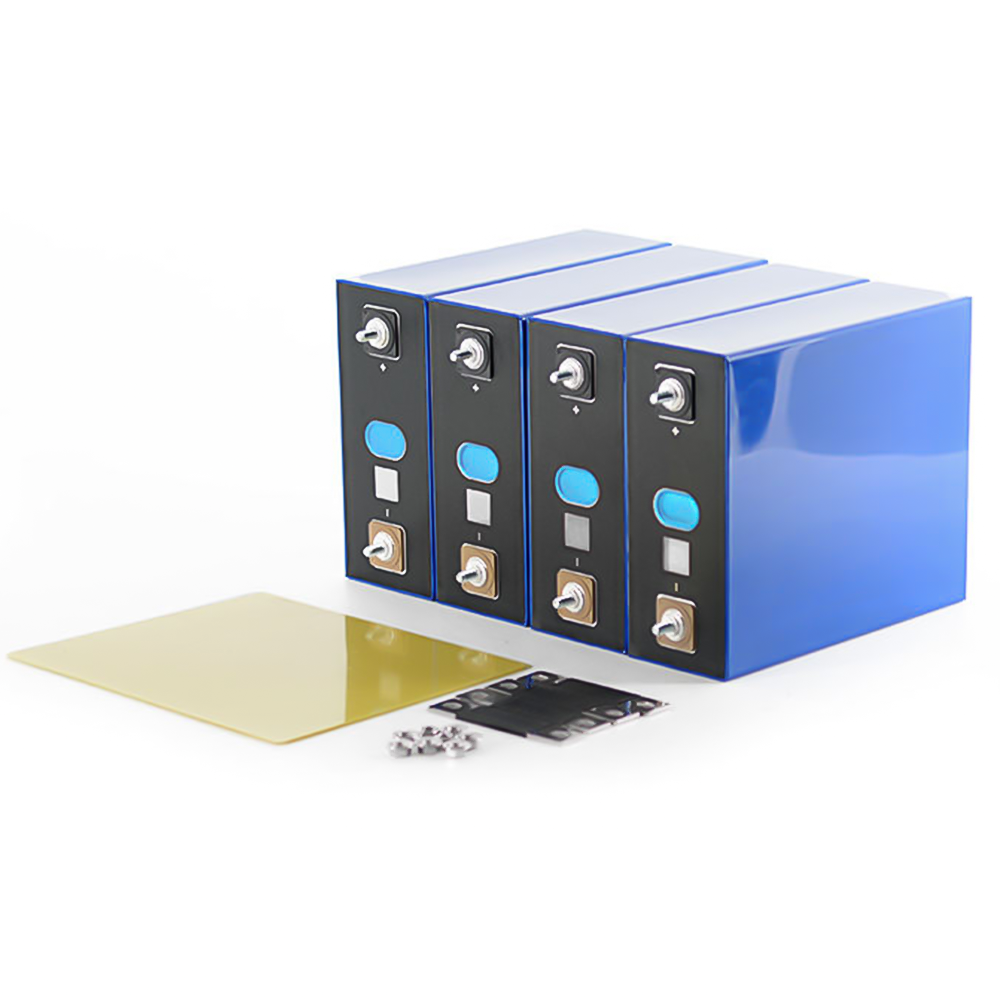
LiFePO4 prismatic cells have become the preferred cell format for stationary energy storage, commercial vehicles, telecom backup power and industrial power packs. A qualified LiFePO4 prismatic cells distributor acts as a critical bridge between tier-one cell manufacturers and pack assemblers, system integrators and project contractors. Buyers gain access to matched batches, complete documentation and stable stock, instead of negotiating directly with multiple factories and handling complex compliance checks on their own.
What a Professional LiFePO4 Prismatic Cells Distributor Delivers
A reliable LiFePO4 prismatic cells distributor does far more than ship battery cells. Strict incoming inspection sits at the core of the service. Every batch gets tested for open circuit voltage, internal resistance and capacity consistency. Cells with mismatched parameters are separated before packing, to avoid imbalance issues once assembled into battery packs. Consistent cell matching directly lifts pack performance, extends service life and reduces after-sales failures for your finished products.
Full compliance documentation is another core value from a qualified LiFePO4 prismatic cells distributor. Each shipment can come with test reports, UN38.3, MSDS and relevant certification files required for sea and air freight. This removes major barriers for cross-border shipments and helps your business satisfy local regulatory requirements for energy storage and industrial battery products.
Flexible allocation and controlled lead times separate strong distributors from casual traders. Top distributors maintain safety stock of mainstream capacities including 100Ah, 200Ah, 280Ah and 314Ah prismatic cells. They can split large factory lots to support small and mid-size pack makers, while reserving bulk allocations for large ESS tender projects. This supply flexibility helps you smooth production schedules and avoid costly project delays.
LiFePO4 Prismatic Cells vs Cylindrical and Pouch Cells
Prismatic LiFePO4 cells stand out for rigid metal casing and neat stacking structure. They are easier to fix and assemble inside battery cabinets, with better pressure tolerance during long-term cycling. Compared with cylindrical cells, prismatic designs reduce the total number of cells inside one pack and simplify wiring and BMS layout. Compared with pouch cells, prismatic LFP cells show stronger resistance to swelling and lower maintenance demand for stationary storage installations.
The stable thermal performance of LiFePO4 chemistry makes prismatic cells suitable for continuous heavy-duty use. They support thousands of charge and discharge cycles, with low risk of thermal runaway under normal operating conditions. This safety profile explains why solar storage, off-grid power stations and telecom backup systems heavily rely on prismatic LFP cell supply chains managed by professional LiFePO4 prismatic cells distributor partners.
Key Application Areas for Prismatic LiFePO4 Cells
Energy storage systems remain the largest demand driver. Commercial and residential solar storage, grid peak shaving and microgrid projects all depend on matched prismatic LFP cells. Electric utility vehicles, AGVs and marine auxiliary power systems also adopt this cell format for stable power output. Telecom base station backup and industrial UPS systems choose prismatic LiFePO4 for long calendar life and low self-discharge rate.
How to Evaluate Your LiFePO4 Prismatic Cells Distributor
Start by verifying batch testing standards. Ask whether they test every incoming lot and provide sorted cell groups. Second, confirm certification coverage and freight document support, especially for shipments to EU and North America. Third, check stock visibility and minimum order rules. A trustworthy LiFePO4 prismatic cells distributor will clearly state available capacities, allocation limits and lead time windows. Fourth, confirm after-sales support protocols for abnormal batches and technical consultation for pack design.
Final Notes
The quality of your battery pack starts at the cell sourcing stage. Working with a stable LiFePO4 prismatic cells distributor simplifies your supply chain, stabilizes product yield and keeps your projects on track. As energy storage demand continues to grow, consistent, traceable and certified cell supply becomes a major competitive advantage for battery pack manufacturers and system integrators.
FAQ
What voltage are standard LiFePO4 prismatic cells?
Most mainstream prismatic LiFePO4 cells carry 3.2V nominal voltage. They are connected in series to build 12V, 24V, 48V and higher battery systems.
Can the distributor support custom sorting standards?
Many professional distributors offer custom sorting on voltage and internal resistance for customers making high-performance packs.
Are prismatic LiFePO4 cells suitable for cold environments?
Standard prismatic LFP cells see capacity drop at low temperatures. Cold-climate projects usually need heating structures inside the battery cabinet.