
Introduction
A reliable low‑self‑discharge nimh battery pack is the quiet backbone of solar garden lights, standby sensors and portable industrial devices. Its defining feature is simple: it keeps its charge while sitting idle, so products work on first use even after weeks or months on a shelf or in an outdoor fixture. For OEM buyers, however, telling a genuine low‑self‑discharge pack apart from a standard NiMH pack mislabeled as such is the difference between a smooth launch and a wave of field failures.
This guide covers how to verify self‑discharge claims, judge cell quality, and secure the right documentation, so you can source a low‑self‑discharge nimh battery pack with confidence for solar and industrial OEM projects.
What Is a Genuine Low‑Self‑Discharge NiMH Battery Pack
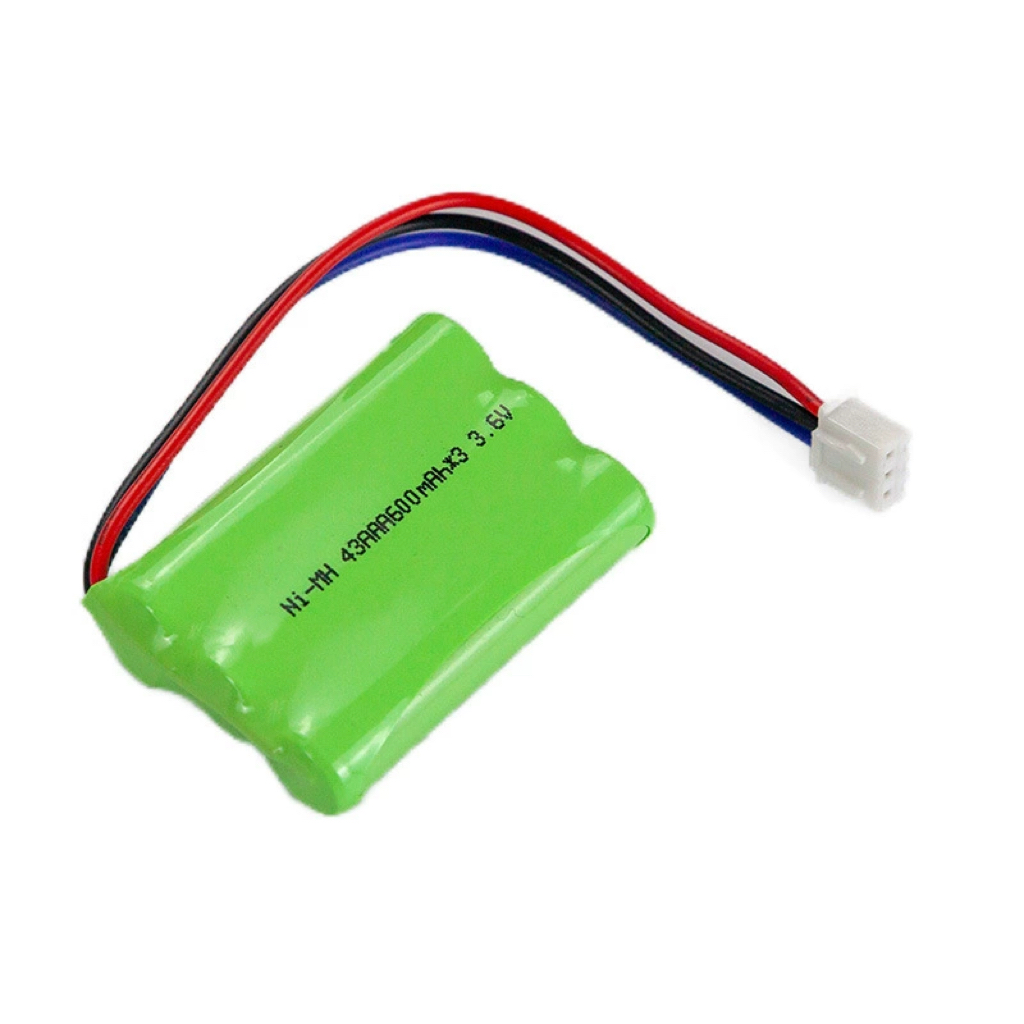
[IMAGE: Close‑up of low‑self‑discharge NiMH cells (AA / AAA / SC) and an assembled battery pack on a clean workbench] Alt Text:low‑self‑discharge nimh battery pack — AA and SC cells with assembled module
The term refers to the cell chemistry itself, not the pack assembly. Conventional NiMH cells lose roughly 30–40% of stored capacity in the first month of storage. Low‑self‑discharge (LSD) cells, by contrast, retain about 70–80% capacity even after 12 months of proper storage.
In practical terms, this changes two things for your product:
- Immediate first‑use power: devices run straight out of the box, no pre‑charge needed.
- Steady performance over seasons: outdoor solar products survive cloudy stretches without dropping below useful voltage.
A true low‑self‑discharge nimh battery pack combines these cells with a matched protection module, correct series‑parallel wiring, and a housing built to your enclosure. The cells are the heart — everything else serves them.
Key Benefits of Low‑Self‑Discharge NiMH Battery Pack for OEM Projects
- Solar garden & pathway lights — The largest volume use case. Fixtures sit in variable sunlight, and the battery must hold charge through overcast periods. An LSD pack minimizes the “lights get dim after a month” complaint that drives returns.
- Emergency and backup equipment — Alarm sensors, emergency lamps and safety accessories stay in standby for months. Low idle loss means the unit actually works when called on.
- Remote field instrumentation — Sensors deployed where no one recharges frequently need long storage life and stable low‑temperature output.
- Portable industrial tools & devices — Standby‑ready power with mature, low‑cost chemistry.
Core Evaluation Criteria for Low‑Self‑Discharge NiMH Battery Pack Sourcing
1. Self‑Discharge Data — Not Marketing Language
Demand a storage test report: retention % after 6 and 12 months at 20°C, with an ambient‑temperature note. A verbal “very low self‑discharge” is worthless. If a supplier can’t show the datasheet, treat the claim as unverified.
2. Cell Grade and Traceability
Ask for the original cell manufacturer and batch traceability. Low‑grade or mixed cells cause early swelling, inconsistent runtime and fast capacity fade. Grade‑A cells from a named brand, with batch codes, are the baseline for a reliable pack.
3. Voltage, Capacity and Form Factor Fit
Common targets: 2.4V / 3.6V / 4.8V / 7.2V / 9.6V, capacity roughly 600mAh–3000mAh depending on cell size (AA, AAA, SC). The supplier should build to your enclosure with correct pin‑out — a few millimetres off can stall mass assembly.
4. Discharge Rate vs. Your Real Load
Clarify the continuous discharge current your device draws. Many solar‑light packs are fine at low‑rate discharge but fail under motor or high‑pulse loads. Give the supplier your actual load profile, not just a nominal mAh number.
5. Operating Temperature Range
Confirm the low‑temperature limit for outdoor or cold‑warehouse deployment. Chemistry choice and housing change depending on whether your product faces freezing nights.
6. Protection Circuit and Connector Requirements
Decide whether a PCM (over‑charge / over‑discharge / short‑circuit) is mandatory, and specify the connector type, wire length and polarity. These details prevent device damage after installation.
7. Compliance Documentation
For EU and cross‑border shipments, require RoHS and REACH declarations, UN38.3 transport report, and MSDS for the pack — not just for the raw cells. Review secondary‑cell safety standards on the official IEC website to align your spec with recognized benchmarks.
Frequent Sourcing Mistakes When Buying Low‑Self‑Discharge NiMH Battery Pack
- Buying the label, not the chemistry — packs built from ordinary NiMH cells sold as “low‑self‑discharge.” Always check the cell datasheet.
- Skipping the storage test — verbal claims pass review, then fail in the field months later.
- Ignoring polarity and dimensions — the cheapest mistakes, discovered only at assembly.
- Accepting certification for cells only — the finished pack also needs its own compliance documents.
- Judging quality by samples alone — mass batches need cell sorting, welding control and aging tests to match prototype performance.
FAQ
Q1: Can a low‑self‑discharge NiMH pack replace lithium‑ion in solar lights?
A: For low‑power solar pathway lights, low‑self‑discharge nimh battery pack is a cost‑effective, safe choice. Choose lithium‑ion when you need higher energy density or longer runtime.
Q2: What cycle life can I expect?
A: Typically 500–1,000 cycles to ~80% capacity, depending on depth of discharge and temperature.
Q3: Can you build custom voltage and capacity?
A: Yes — series‑parallel configurations, connectors and housings are customized to your enclosure and load.
Q4: What’s the real difference vs. standard NiMH?
A: The cell formula. LSD cells drastically cut idle capacity loss — the key property for standby and solar products.
Conclusion
Selecting a reliable low‑self‑discharge nimh battery pack comes down to three things: verified self‑discharge data, traceable grade‑A cells, and complete compliance documents. Nail those, and your solar or industrial product gains long shelf life, fewer returns and lower field‑failure costs.
Need a pack engineered for your enclosure and duty cycle? Contact our engineering team for spec review and a quotation.