
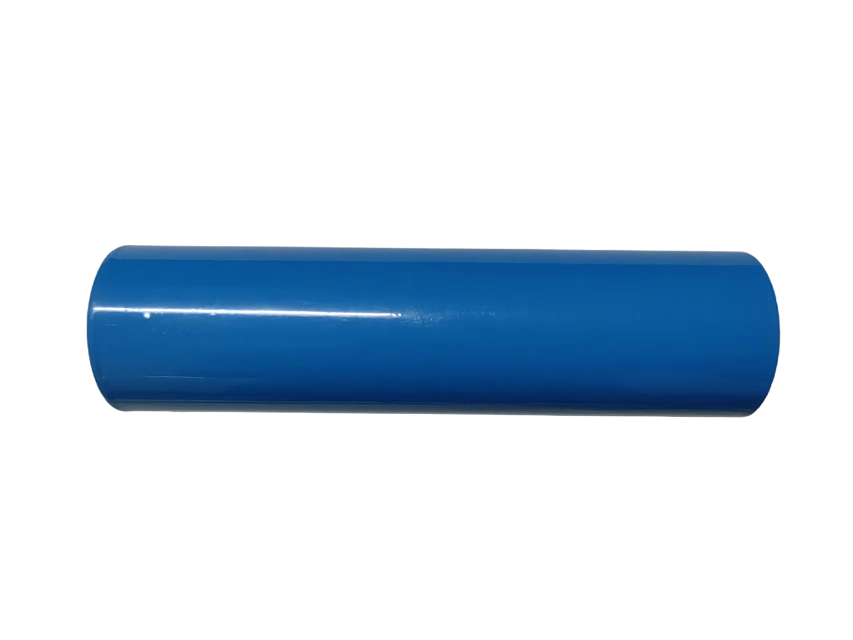
Lithium Battery Technology has become one of the most important energy solutions in modern life. From smartphones and laptops to electric vehicles and solar energy storage systems, lithium-ion batteries now power countless devices used every day. Compared with older rechargeable battery technologies, lithium batteries offer higher energy density, faster charging, longer lifespan, and improved efficiency.
As global demand for portable power and clean energy continues to grow, understanding how lithium battery systems work is becoming increasingly important for manufacturers, distributors, and end users alike.
What Is Lithium Battery Technology?
Lithium Battery Technology refers to rechargeable battery systems that store and release energy through the movement of lithium ions between two electrodes. During charging and discharging, lithium ions travel between the cathode and anode through an electrolyte solution.
This electrochemical process allows lithium-ion batteries to deliver stable voltage, lightweight performance, and efficient energy storage without significantly damaging the internal structure of the battery. Because of these advantages, lithium batteries have gradually replaced many traditional rechargeable battery systems.
The Evolution of Rechargeable Batteries
Before lithium-ion batteries became mainstream, several older battery technologies dominated the market.
Lead-Acid Batteries
Lead-acid batteries are one of the oldest rechargeable battery types. They are widely used in automotive and backup power systems due to their low cost, but they are heavy and have lower energy density.
Nickel-Cadmium (NiCd) Batteries
NiCd batteries offer reliable performance but suffer from memory effect and environmental concerns related to cadmium materials.
Nickel-Metal Hydride (NiMH) Batteries
NiMH batteries improved energy capacity compared with NiCd technology and became common in consumer electronics before lithium-ion batteries expanded rapidly.
Lithium-Ion Batteries
Today, lithium-ion technology has become the dominant rechargeable battery solution because it combines high performance, lightweight design, and longer service life.
Why Lithium Battery Technology Is So Popular
One reason Lithium Battery Technology continues to grow is its strong overall performance compared with older rechargeable battery systems.
Key advantages include:
- Higher operating voltage per cell
- High energy density for longer runtime
- Fast charging capability
- Lower self-discharge rate
- No significant memory effect
- Longer cycle life
- Better efficiency for portable devices and EVs
These advantages make lithium batteries ideal for modern electronics, mobility systems, and renewable energy storage applications.
Main Chemistries in Lithium Battery Technology
Different lithium-ion chemistries are designed for different applications and performance priorities.
| Chemistry | Full Name | Key Strengths | Common Applications |
|---|---|---|---|
| NMC | Nickel Manganese Cobalt | High energy density | Electric vehicles |
| LFP | Lithium Iron Phosphate | Long lifespan & safety | Energy storage systems |
| LCO | Lithium Cobalt Oxide | Compact energy storage | Smartphones & laptops |
| NCA | Nickel Cobalt Aluminum | High power output | Premium EV applications |
Each chemistry balances energy density, safety, lifespan, and cost differently depending on application needs.
Key Parameters of Lithium-Ion Batteries
Understanding basic battery parameters helps users compare performance more effectively.
- Nominal Voltage: Typically 3.6V–3.7V per cell
- Energy Density: Around 150–280 Wh/kg
- Cycle Life: Approximately 500–6000+ cycles depending on chemistry
- Best Operating Temperature: Usually between 15°C and 35°C
Proper charging, storage, and thermal management also play an important role in battery lifespan and safety.
FAQ About Lithium Battery Technology
Q1: What is the biggest advantage of lithium-ion batteries?
Their high energy density and lightweight design make them more efficient than traditional rechargeable batteries.
Q2: Are lithium batteries safe?
Yes, modern lithium batteries include safety protection systems such as BMS and thermal management technologies.
Q3: What is the difference between NMC and LFP batteries?
NMC batteries provide higher energy density, while LFP batteries offer better safety and longer cycle life.
Q4: Where is Lithium Battery Technology commonly used?
It is widely used in electric vehicles, laptops, smartphones, power tools, and energy storage systems.
Q5: How long do lithium-ion batteries last?
Depending on chemistry and usage conditions, lithium batteries can last from several hundred to several thousand charge cycles.
Conclusion
As the demand for clean energy and portable electronics continues to rise, Lithium Battery Technology will remain at the center of future energy development. With continuous improvements in chemistry, charging speed, safety, and energy density, lithium-ion batteries are expected to support even more advanced applications in the years ahead.