
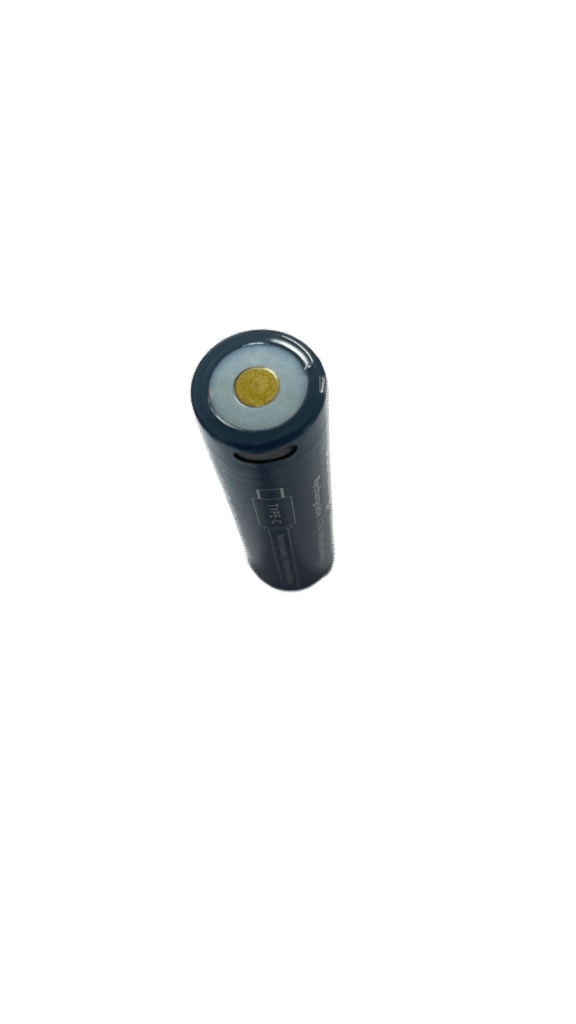
Lithium-ion battery classification is an important topic for understanding how modern energy storage systems are designed, optimized, and applied. As lithium-ion batteries are widely used in consumer electronics, medical devices, and electric vehicles, classifying them by electrolyte type helps engineers and users better evaluate safety, performance, and application suitability. Among various classification methods, electrolyte-based classification is one of the most practical and commonly used approaches.
Lithium-ion Battery Classification by Electrolyte Type
In general, lithium-ion battery classification based on electrolyte form can be divided into liquid lithium-ion batteries and solid-state lithium-ion batteries. Although both rely on the same fundamental lithium-ion intercalation mechanism, their internal structures and performance characteristics differ significantly.
Liquid Lithium-ion Battery Classification
Liquid lithium-ion batteries are the most commercially mature category in lithium-ion battery classification. They use a liquid organic electrolyte to enable lithium-ion transport between the cathode and anode. Due to their high energy density, stable electrochemical performance, and mature manufacturing processes, liquid lithium-ion batteries are widely used in smartphones, laptops, power tools, and other portable electronic products.
However, the presence of liquid electrolyte also introduces safety concerns, such as electrolyte leakage or thermal runaway under extreme conditions. As electronic devices become thinner and more powerful, traditional liquid lithium-ion battery classification faces increasing challenges in balancing safety and energy density.
Solid-state Lithium-ion Battery Classification
Solid-state lithium-ion batteries, often referred to as polymer lithium-ion batteries, represent an advanced branch of lithium-ion battery classification. In this type, the liquid electrolyte is replaced with a solid or gel-like polymer electrolyte. This structural change significantly improves safety by reducing the risk of leakage and combustion.
Solid-state lithium-ion batteries also allow for thinner designs and greater flexibility in battery shape, making them suitable for wearable devices, medical electronics, and next-generation consumer products. Although their manufacturing cost remains higher and large-scale commercialization is still developing, solid-state lithium-ion battery classification is considered a key direction for future battery technology.
Future Trends in Lithium-ion Battery Classification
As energy storage demands continue to grow, lithium-ion battery classification will further evolve toward higher safety, higher energy density, and longer cycle life. Solid-state technologies, hybrid electrolytes, and advanced materials are expected to reshape lithium-ion battery classification and expand application scenarios across multiple industries.