
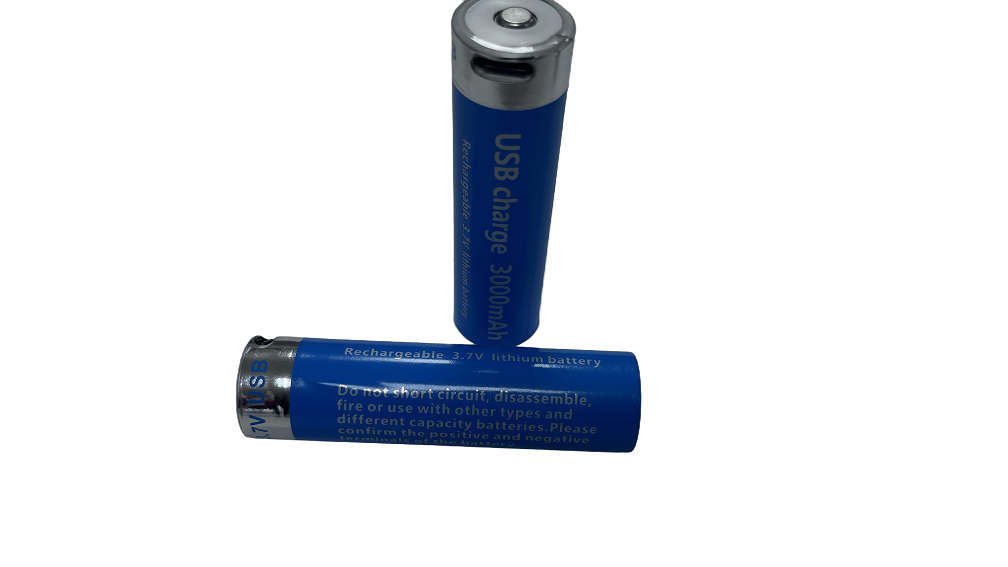
Battery Assembly Process and Technology
The battery assembly process is crucial to ensuring that a lithium-ion battery meets design specifications and achieves reliable performance. A well-controlled manufacturing method directly affects consistency, safety, and overall quality.
The main stages involved in producing lithium-ion batteries include the following:
1. Slurry Preparation
Active materials for both electrodes are mixed with binders and solvents to create a uniform slurry. This step influences adhesion quality, conductivity, and the stability of the electrodes during cycling.
2. Coating
The prepared slurry is evenly applied onto metal current collectors and then dried to form electrode sheets. Thickness uniformity at this stage helps ensure long-term capacity stability and good cycle life.
3. Cell Assembly
Electrode sheets and separators are stacked or wound together to form the battery core. Afterward, electrolyte is added, and the cell is sealed. Clean-room environments are typically required to avoid moisture contamination that could affect safety.
4. Formation and Aging
Newly assembled cells undergo controlled charge–discharge cycles to develop a stable SEI layer. This final stage of the battery assembly process determines cycle performance, internal resistance, and product consistency. Only inspected and approved cells proceed to packaging.
Why This Process Matters
A precise production sequence ensures:
- Stable electrical performance
- Good safety characteristics
- Longer cycle life
- Improved consistency across batches
Manufacturers continuously optimize the battery assembly process to support growing demands from consumer electronics, industrial applications, and electric mobility.